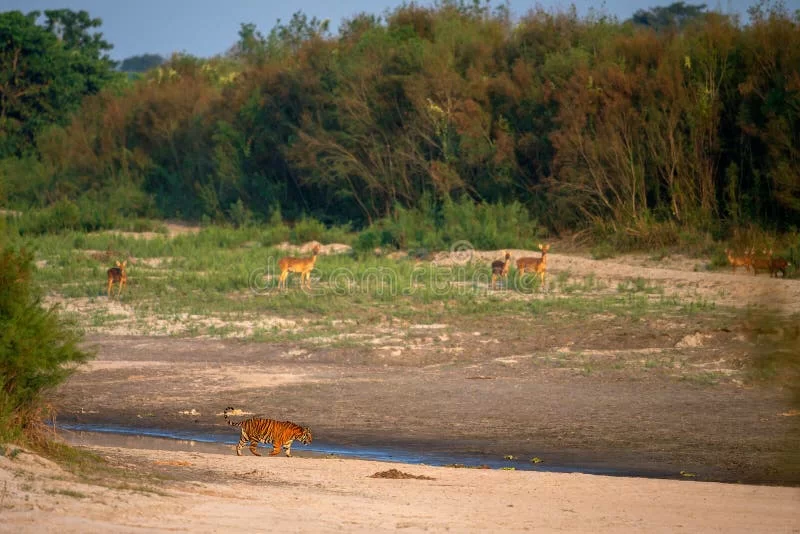
Burapahar Range Kaziranga – Forested Safari Zone Near the Hills

Burapahar Range , Kaziranga
Located in the westernmost part of Kaziranga National Park near the Karbi Anglong hills, Burapahar Range features dense forests, streams, and elevated landscapes. This zone is ideal for trekking trails and birdwatching, with chances to spot elephants, primates, and diverse bird species. Its relatively quieter environment offers a more serene wildlife experience compared to the central ranges.

Quick Facts About Burapahar Range

Entry Fee 100
Timings 07:30 - 15:30
Altitude (m) 100
Ideal Visit Duration (hrs) 4
Best Time of Day Morning
Crowd Level Moderate
Distance from Kohora (km) 35
Distance from Guwahati (km) 250
Walking Difficulty Moderate
Parking Available Yes
Last Mile Access Trek
Suitable for Kids Yes
Suitable for Seniors No
Wheelchair Friendly No

Why Visit Burapahar Range, Kaziranga

Atmosphere at Burapahar Range in Kaziranga National Park is dense, rugged, and adventurous, offering a distinctly different landscape compared to the grassland-dominated central zones. Located along the southern boundary near the Karbi Anglong hills, this range features forested terrain, undulating paths, and scenic hill backdrops that create a more intimate and immersive wilderness experience. The quieter environment enhances the sense of exploration, making it ideal for travelers who appreciate less crowded safari routes.

What makes Burapahar special is its forest-centric ecosystem and trekking opportunities within designated areas. Unlike other ranges primarily known for grasslands and rhino sightings, Burapahar is characterized by semi-evergreen forests and hilly terrain that support species such as hoolock gibbons, capped langurs, and a variety of birdlife. The range is also known for its biodiversity and scenic viewpoints, offering a blend of wildlife observation and light nature trails under guided supervision.

Beyond its ecological uniqueness, Burapahar Range appeals to wildlife enthusiasts, birdwatchers, and adventure seekers looking for a quieter, more forested safari experience. Its proximity to the Karbi Anglong hills adds landscape diversity and strengthens Kaziranga’s role as a critical wildlife corridor. Visiting Burapahar provides a refreshing alternative perspective of the park, highlighting its varied habitats and conservation significance.

History of Burapahar Range, Kaziranga

Burapahar Range is the southernmost sector of Kaziranga National Park in Assam and represents a distinct ecological extension of the park into the Karbi Anglong hills. The name “Burapahar” translates to “big hill,” reflecting the elevated terrain that differentiates this range from the floodplain-dominated landscapes of the other zones. The area was gradually incorporated into Kaziranga’s protected boundaries as part of expansion efforts aimed at safeguarding wildlife migration corridors.

Historically, Burapahar gained importance as a critical movement route for animals, especially during the annual Brahmaputra floods when wildlife seeks higher ground in the adjoining hills. Recognizing its ecological value, forest authorities integrated the range into structured conservation planning to reduce human-wildlife conflict and protect biodiversity beyond the core grassland habitat.

Unlike the open safari landscapes of Kohora or Bagori, Burapahar is characterized by semi-evergreen forests, hilly terrain, and trekking trails. Today, it functions as both a conservation buffer and a nature tourism zone, reflecting Kaziranga’s evolving landscape management strategy and its commitment to preserving interconnected habitats across varied topography.

Best Time to Visit Burapahar Range Kaziranga

The best time to visit the Burapahar Range of Kaziranga National Park depends on park accessibility, trekking conditions, and wildlife visibility. Known for its hilly terrain and opportunities for guided trekking, seasonal timing greatly influences the overall experience.

November to April is considered the ideal period to visit. During these months, the weather remains dry and pleasant, making forest treks comfortable and jeep safari routes accessible. Clear conditions improve chances of spotting wildlife such as elephants, deer, primates, and diverse bird species.

December to February offers cooler temperatures, which are especially suitable for trekking activities within the range. Morning safaris during winter provide crisp air and good visibility across the forested landscape.

Monsoon season from June to September brings heavy rainfall and flooding across Kaziranga, and the park generally remains closed during this time. Trails may become slippery and inaccessible, and safari operations are typically suspended for safety reasons.
  • November to April for official park opening and comfortable trekking conditions
  • December to February for cool weather and clear forest views
  • Early mornings provide the best wildlife activity and photography opportunities
  • June to September usually closed due to monsoon flooding
  • Ideal for visitors seeking less crowded safari zones

How to Reach Burapahar Range, Kaziranga

  • By Air: The nearest airport is Tezpur Airport (Salonibari Airport), located approximately 40 km from the Burapahar Range. Lokpriya Gopinath Bordoloi International Airport, Guwahati (around 200 km away), is the major airport with better connectivity to cities such as Delhi, Kolkata, and Bengaluru. From the airport, taxis can be hired to reach the Burapahar entry gate.
  • By Train: The nearest railway station is Rangapara North Junction (about 25 km away). Tezpur and Guwahati Railway Stations are other major railheads with broader connectivity. From these stations, visitors can hire taxis for onward travel to the Burapahar Range.
  • By Road: Burapahar Range is located along National Highway 37 (NH 715) and is approximately 190 km from Guwahati and around 40 km from Tezpur. Regular government and private buses, as well as taxis, operate along this route, making road travel convenient and scenic.
  • Local Transport: Safari jeeps arranged through authorized forest department counters or registered operators are used to explore the Burapahar Range. The entry point is directly accessible by road, and most visitors arrive by private vehicle or taxi from nearby towns.

What to Expect When You Visit Burapahar

  • Immersive surroundings that reflect the true natural, cultural, or spiritual character of the destination, offering a peaceful and enriching travel experience.
  • Well-maintained visitor pathways and accessible viewing points designed to provide comfortable exploration while preserving the authenticity of the location.
  • Opportunities to engage with local traditions, regional architecture, or natural landscapes, allowing travelers to gain deeper cultural understanding.
  • Scenic photo spots and panoramic viewpoints that highlight the area’s unique beauty throughout different times of the day.
  • Informational boards, guides, or locally available assistance that help visitors learn the historical or environmental importance of the site.
  • Seasonal changes in atmosphere, crowd levels, and visual appeal, ensuring a different yet memorable experience depending on the time of visit.
  • Nearby amenities such as refreshment stalls, rest areas, or small markets offering local flavors and handicrafts.
  • A calm and respectful environment that allows visitors to fully absorb the significance and charm of the destination.

Important Visitor Information & Safety Notes of Burapahar Range Kaziranga

  • Crowd & Peak Hours: The Burapahar Range receives comparatively fewer visitors, with moderate flow during peak season (November to April). Morning safari slots are generally preferred.
  • Weather Notes: Winters are pleasant and suitable for trekking and wildlife spotting, summers can be warm, and the range remains closed during monsoon due to heavy rainfall and flooding.
  • Dress Code: Wear neutral-colored, comfortable clothing suitable for safaris and light trekking. Sturdy footwear is recommended for uneven forest trails.
  • Safety Tips: Follow forest guide instructions strictly, remain on designated trails, avoid loud noises, do not disturb wildlife, and keep personal belongings secure throughout the visit.

Photography and Viewpoints at Burapahar Range, Kaziranga

  • The Burapahar Range is characterized by hilly terrain and dense forest cover, offering dramatic landscape compositions distinct from Kaziranga’s grasslands.
  • Elevated forest trails provide panoramic viewpoints ideal for capturing layered hills and lush green valleys.
  • The mix of woodland and open clearings creates balanced opportunities for photographing elephants, primates, and diverse bird species.
  • Soft morning light filtering through forest canopies enhances texture and depth in nature photography.
  • The rugged terrain and fewer safari vehicles allow uninterrupted framing of wildlife in a more secluded environment.
  • Seasonal monsoon greenery intensifies color contrasts, enriching both forest landscape and wildlife photography experiences.

Near By Attraction

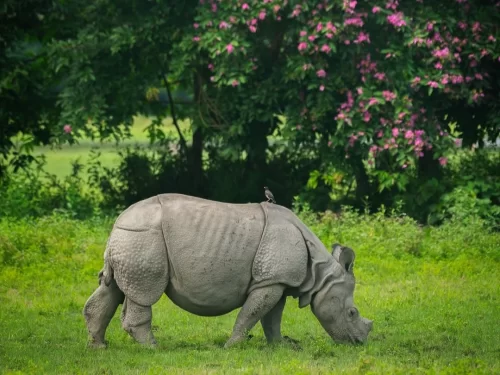
Eastern Agaratoli Range Kaziranga National Park Assam with one horned rhinoceros grazing in grassland National Park

Eastern Agaratoli Range

Eastern Agaratoli Range is a scenic and biodiversity-rich safari zone in Kaziranga National Park.
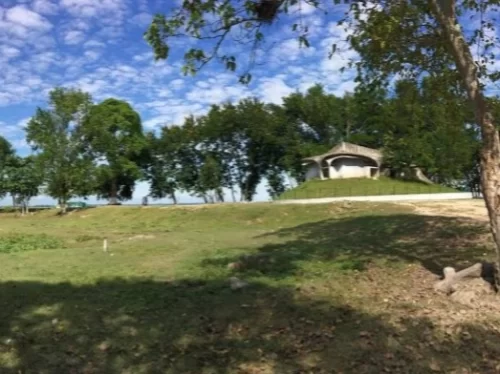
Western Bagori Range Kaziranga National Park Assam scenic grasslands and forest landscape in wildlife safari zone National Park

Western Bagori Range

Western Bagori Range is a popular safari zone in Kaziranga National Park known for frequent wildlife sightings.
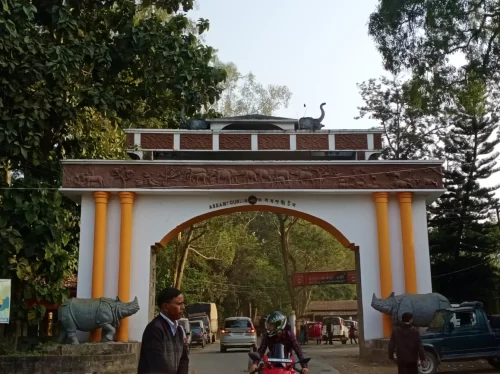
Central Kohora Range Kaziranga National Park Assam main safari entry gate with iconic rhino statues National Park

Central Kohora Range

Central Kohora Range is the most popular and accessible safari zone in Kaziranga National Park.

Frequently Asked Questions About Burapahar Range

Burapahar Range is located in the western part of Kaziranga National Park in Assam, India.
Burapahar Range is known for its hilly terrain, dense forests, and comparatively quieter safari experience.
The best time to visit Burapahar Range is from November to April when the weather is dry and wildlife sightings are more frequent.
Visitors can reach Burapahar Range by road from nearby towns like Bokakhat, with the nearest major airport and railway station in Guwahati, Assam.
Yes, an entry permit and safari ticket are required to enter Burapahar Range, and they can be obtained at the official park entry gate.
Burapahar Range is home to elephants, wild buffalo, deer species, and a variety of birds, along with occasional sightings of big cats.
Yes, guided jeep safaris are available in Burapahar Range and are the primary way to explore the forested zone.
Around two to three hours are generally sufficient for a single jeep safari in Burapahar Range.
Accommodation options are available in nearby areas of Kaziranga National Park, including forest lodges and private resorts.
Burapahar Range is suitable for birdwatching due to its forest habitat and diverse resident and migratory bird species.

Loved this place ? Let’s Plan Your Assam Trip

Get customized Assam tour planning designed around seasonal weather patterns, river conditions, wildlife safari timing, and realistic road travel flow. Whether you are visiting for national parks, tea estate stays, cultural experiences, spiritual sites, o

⚡ Quick Response | 💰 Free consultation | 🕒 24×7 expert support

×

Plan Your Trip