+91 9910402252
admin@chalbanjare.com


| Entry Fee | 100 |
| Timings | 07:30 - 15:30 |
| Altitude (m) | 80 |
| Ideal Visit Duration (hrs) | 3 |
| Best Time of Day | Morning |
| Crowd Level | Moderate |
| Distance from Kohora (km) | 25 |
| Distance from Guwahati (km) | 240 |
| Walking Difficulty | Easy |
| Parking Available | Yes |
| Last Mile Access | Road |
| Suitable for Kids | Yes |
| Suitable for Seniors | Yes |
| Wheelchair Friendly | No |
Atmosphere at the Eastern (Agaratoli) Range of Kaziranga National Park is tranquil and richly biodiverse, offering a more serene safari experience compared to the central zone. Located closer to the Brahmaputra River, this range features wetlands, riverine forests, and open grasslands that create a refreshing and scenic wilderness setting. Early morning safaris here are especially captivating, with mist hovering over water bodies and birds calling from treetops, creating an immersive natural ambiance.
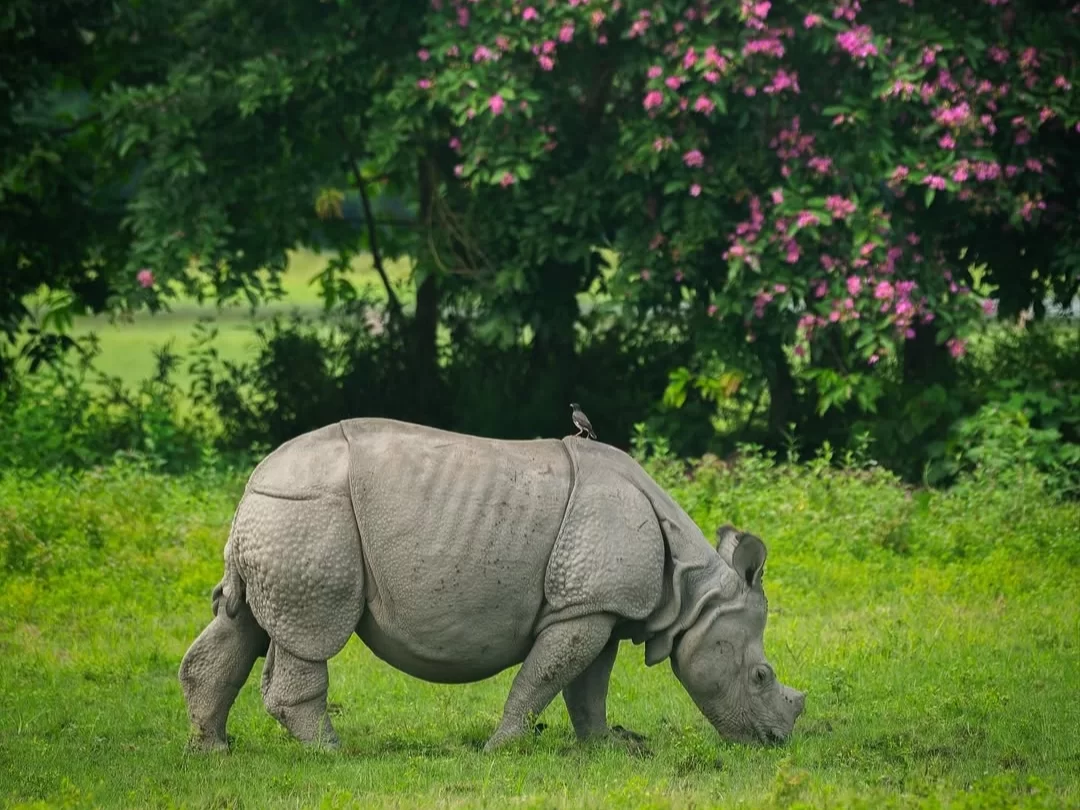
What makes the Eastern (Agaratoli) Range special is its exceptional birdlife and riverine ecosystem. It is considered one of the best zones in Kaziranga for birdwatching, attracting species such as pelicans, storks, hornbills, and migratory waterfowl. In addition to avian diversity, visitors can spot the famous one-horned rhinoceros, wild elephants, deer, and occasionally tigers. The combination of wetlands and forest patches supports a balanced habitat, making wildlife sightings both diverse and rewarding.
Beyond its ecological richness, the Eastern Range appeals to photographers, wildlife researchers, and travelers seeking a quieter, less crowded safari experience. Its proximity to the Brahmaputra enhances the landscape’s beauty, especially during winter months when migratory birds arrive. A visit to Agaratoli Range offers a peaceful yet exciting encounter with Kaziranga’s natural heritage and conservation success.
The Eastern Range, known as the Agaratoli Range, forms the easternmost sector of Kaziranga National Park in Assam. This zone gained prominence as the park expanded its protected boundaries to conserve additional floodplain forests and riverine habitats influenced by the Brahmaputra River. The development of Agaratoli as a formal conservation range reflects Kaziranga’s long-term strategy to protect diverse ecosystems beyond its original core area.
Historically, the Agaratoli sector became significant for its rich birdlife and comparatively dense woodland patches, offering a habitat distinct from the open grasslands of the Central and Western ranges. The area has played an important role in biodiversity monitoring, particularly for migratory birds, reptiles, and smaller mammals that thrive in its wetland and forest environments.
In time, the Eastern (Agaratoli) Range was introduced as a regulated safari zone, providing a quieter and less crowded wildlife experience. Today, it stands as an integral part of Kaziranga’s conservation framework, highlighting the park’s adaptive management approach and its continued commitment to preserving varied ecological landscapes within its UNESCO-recognized boundaries.
The best time to visit the Eastern (Agaratoli) Range of Kaziranga National Park depends on park accessibility, weather conditions, and birdlife activity. Known for its rich biodiversity and excellent birdwatching opportunities, seasonal timing significantly enhances the safari experience.
November to April is considered the ideal period to visit. During these months, the park remains open, the weather is dry and pleasant, and visibility across wetlands and grasslands is excellent. This is the best time to spot the Indian one-horned rhinoceros, wild elephants, and a wide variety of migratory and resident bird species.
December to February is especially rewarding for birdwatchers, as migratory birds arrive in large numbers, making the wetlands vibrant and active. Cool temperatures during winter also make jeep safaris more comfortable.
Monsoon season from June to September brings heavy rainfall and flooding, and the park generally remains closed during this period. While the landscape becomes lush and green, safari activities are typically suspended for safety reasons.
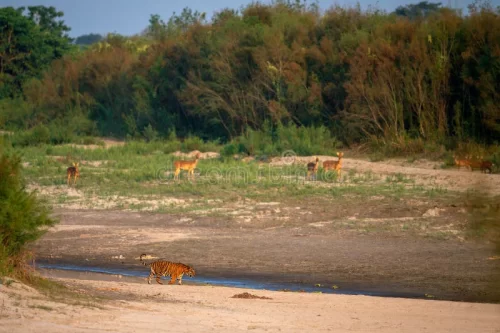 National Park
Burapahar Range is a lesser-visited safari zone in Kaziranga known for its forested terrain and hilly backdrop.
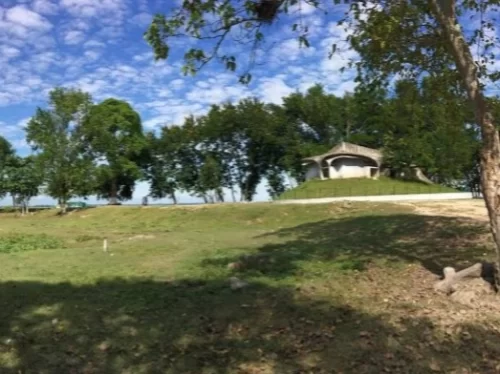 National Park
Western Bagori Range is a popular safari zone in Kaziranga National Park known for frequent wildlife sightings.
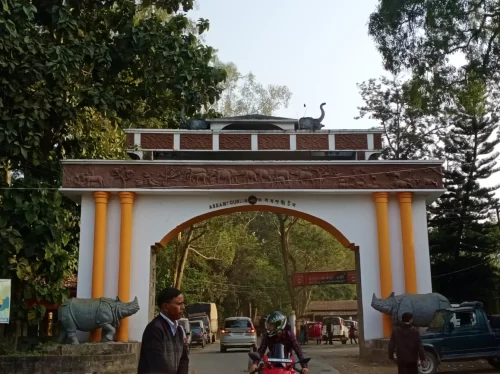 National Park
Central Kohora Range is the most popular and accessible safari zone in Kaziranga National Park.
Get customized Assam tour planning designed around seasonal weather patterns, river conditions, wildlife safari timing, and realistic road travel flow. Whether you are visiting for national parks, tea estate stays, cultural experiences, spiritual sites, o
⚡ Quick Response | 💰 Free consultation | 🕒 24×7 expert support

