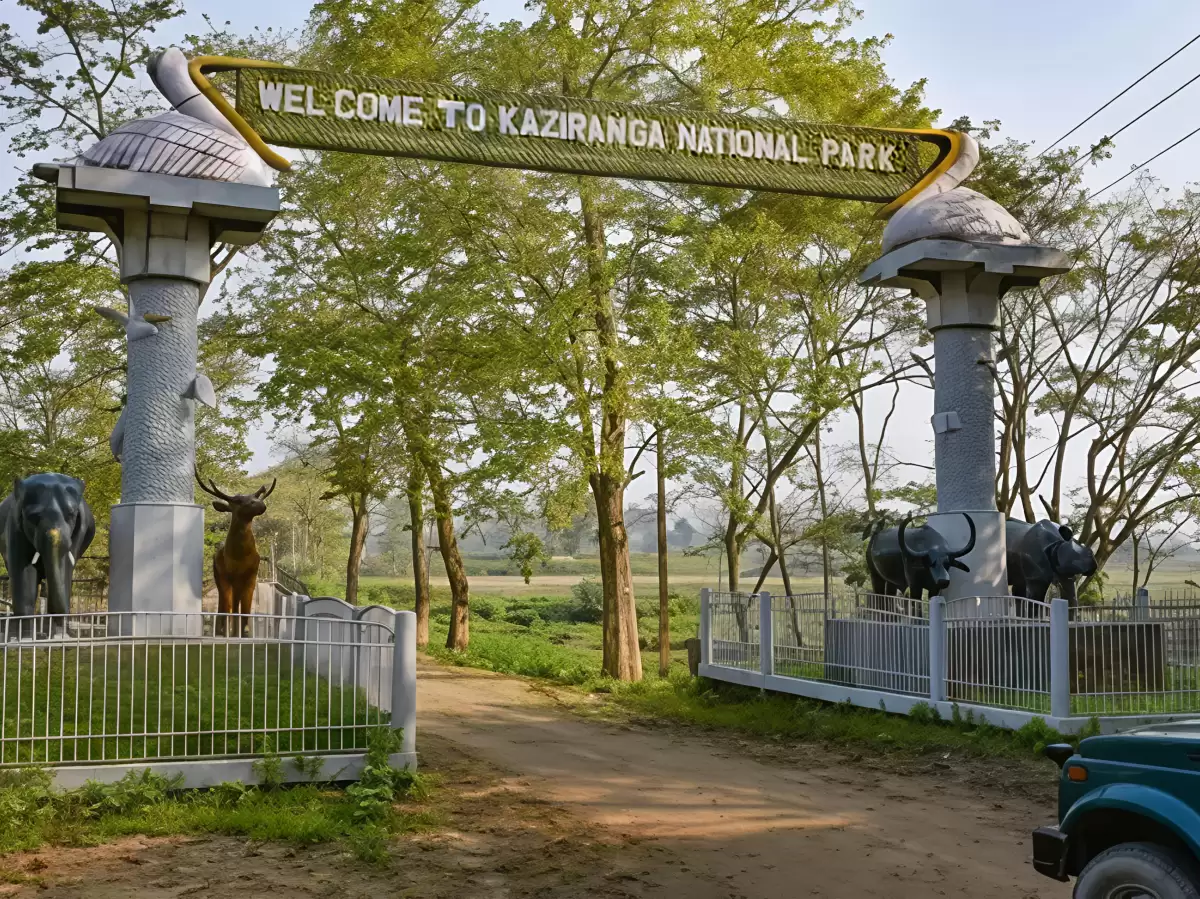
Kaziranga National Park Kaziranga – UNESCO World Heritage Wildlife Reserve

Kaziranga National Park , Kaziranga
Kaziranga National Park, a UNESCO World Heritage Site, is one of India’s premier wildlife sanctuaries, home to a diverse range of species including rhinos, tigers, elephants, and swamp deer. Spread across lush grasslands and wetlands, the park offers jeep and elephant safaris that allow visitors to experience wildlife up close. Its conservation efforts and rich biodiversity make it a major attraction for nature lovers and wildlife enthusiasts.

Quick Facts About Kaziranga National Park

Entry Fee 100
Timings 06:00 - 16:00
Altitude (m) 80
Ideal Visit Duration (hrs) 8
Best Time of Day Morning
Crowd Level High
Distance from Guwahati (km) 230
Walking Difficulty Easy
Parking Available Yes
Last Mile Access Road
Suitable for Kids Yes
Suitable for Seniors Yes
Wheelchair Friendly No

Why Visit Kaziranga National Park

Atmosphere at Kaziranga National Park is vibrant, wild, and immersive, offering visitors a unique experience of India’s rich wildlife in its natural habitat. The park’s vast grasslands, wetlands, and forests create an authentic wilderness environment where the sights and sounds of nature — from the trumpeting of elephants to the calls of migratory birds — captivate and enthrall every visitor. Unlike typical zoos, the park provides a raw and thrilling connection to wildlife in a protected ecosystem.

What makes Kaziranga National Park special is its status as a UNESCO World Heritage Site and home to the largest population of the one-horned rhinoceros in the world. The park also shelters tigers, elephants, swamp deer, wild water buffalo, and a wide variety of bird species, making it a haven for wildlife enthusiasts and photographers. Visitors can enjoy guided jeep safaris and elephant rides to explore the park’s diverse landscapes, witnessing animals in their natural behavior. Seasonal variations, especially during monsoon and winter, add to the charm and photographic opportunities of the park.

Beyond its visual and ecological appeal, Kaziranga National Park holds immense conservation and cultural significance. It educates visitors about wildlife preservation and biodiversity while offering an adventurous experience that combines learning with recreation. The park caters to nature lovers, researchers, families, and travelers seeking a meaningful encounter with one of India’s most iconic natural treasures.

History of Kaziranga National Park

Kaziranga National Park, located in Assam, was officially declared a wildlife sanctuary in 1908 and later designated as a national park in 1974. It is renowned globally for its successful conservation of the one-horned rhinoceros and is a UNESCO World Heritage Site. The park’s origins trace back to local initiatives to protect wildlife from hunting and habitat destruction, highlighting Assam’s long-standing ecological awareness.

Historically, the area was inhabited by indigenous communities who coexisted with the abundant wildlife of the Brahmaputra floodplains. Over time, conservation efforts expanded under British colonial administration and independent India, establishing Kaziranga as a model for protected areas in the region.

Today, Kaziranga National Park not only preserves endangered species such as tigers, elephants, and swamp deer but also serves as a living testament to Assam’s commitment to biodiversity, attracting researchers, ecotourists, and wildlife enthusiasts from around the world.

Best Time to Visit Kaziranga National Park

Choosing the right time to visit Kaziranga National Park is crucial to enjoy wildlife sightings, comfortable weather, and smooth safari experiences. The park’s landscape, animal activity, and accessibility vary throughout the year, so planning your trip seasonally makes a significant difference.

The months from November to April are considered the best time to visit. During this period, the weather is dry and pleasant, allowing safaris in the park’s grasslands and wetlands without disruption. This is the ideal time to spot the Indian one-horned rhinoceros, elephants, swamp deer, and a variety of bird species.

Summer months from March to May can be warm but still suitable for early morning and late afternoon safaris. Wildlife activity is generally higher during cooler hours, and clear skies provide excellent opportunities for photography.

Monsoon season, from June to September, brings heavy rainfall, causing floods and waterlogging in the park. Most safari routes may be closed during this time, and accessibility is limited. However, the park looks lush and green, offering a serene and off-season experience for those prepared for wet conditions.
  • November to April for dry weather, accessible safari routes, and maximum wildlife sightings
  • March to May for early morning and late afternoon safaris during warmer months
  • June to September for lush greenery and fewer crowds, though safari access is limited due to monsoon
  • Early mornings recommended for the best chance to spot active wildlife
  • Weekdays are less crowded than weekends and public holidays

How to Reach Kaziranga National Park

  • By Air: The nearest airport is Tezpur Airport, around 97 km from the western range of Kaziranga. Alternatively, Lokpriya Gopinath Bordoloi International Airport in Guwahati, approximately 217 km away, serves most domestic and international travelers. From either airport, taxis or pre-arranged transfers can reach the park comfortably.
  • By Train: The closest railway stations are Furkating (about 70 km) and Nagaon (around 97 km). Major trains connect to Guwahati and other cities, with onward travel to the park via taxi, bus, or private vehicle.
  • By Road: Kaziranga is well connected by NH37 and other state highways. Regular Assam State Transport Corporation (ASTC) buses, private coaches, and taxis operate from Guwahati, Jorhat, and Nagaon. Self-driving offers flexibility and scenic views along the way.
  • Local Transport: Within the park, vehicles are generally allowed only on designated safari routes. Local guides, hired vehicles, and jeep safaris are arranged through park authorities or resorts, ensuring safe and regulated travel inside the park.

What to Expect When You Visit Kaziranga National Park

  • Immersive surroundings that reflect the true natural, cultural, or spiritual character of the destination, offering a peaceful and enriching travel experience.
  • Well-maintained visitor pathways and accessible viewing points designed to provide comfortable exploration while preserving the authenticity of the location.
  • Opportunities to engage with local traditions, regional architecture, or natural landscapes, allowing travelers to gain deeper cultural understanding.
  • Scenic photo spots and panoramic viewpoints that highlight the area’s unique beauty throughout different times of the day.
  • Informational boards, guides, or locally available assistance that help visitors learn the historical or environmental importance of the site.
  • Seasonal changes in atmosphere, crowd levels, and visual appeal, ensuring a different yet memorable experience depending on the time of visit.
  • Nearby amenities such as refreshment stalls, rest areas, or small markets offering local flavors and handicrafts.
  • A calm and respectful environment that allows visitors to fully absorb the significance and charm of the destination.

Important Visitor Information and Safety of Kaziranga National Park

  • Crowd & Peak Hours: Expect heavier visitor traffic during peak tourist season (November to April) and holidays. Early morning safaris are less crowded and ideal for wildlife spotting.
  • Weather Notes: Summers can be hot, monsoons (June to September) may cause flooding, and winters are mild and pleasant for outdoor activities.
  • Dress Code: Wear comfortable, neutral-colored clothing suitable for safaris. Hats, sunglasses, and sunscreen are recommended. Light layers are advised for early mornings and evenings.
  • Safety Tips: Follow safari guide instructions, stay inside vehicles during wildlife sightings, avoid loud noises, keep personal belongings secure, and respect park rules for a safe and enjoyable visit.

Photography and Viewpoints at Kaziranga National Park

  • Kaziranga’s vast grasslands, wetlands, and forested areas provide exceptional landscapes for sunrise and sunset photography.
  • Wildlife photography is a highlight, with opportunities to capture one-horned rhinoceroses, elephants, swamp deer, tigers, and a wide variety of birds in their natural habitat.
  • Guided jeep safaris allow for safe close-up shots of animals while respecting their natural behavior and environment.
  • Seasonal variations, such as the lush greenery during monsoon or misty mornings in winter, add unique moods and textures to photographs.
  • Elevated viewpoints and watchtowers provide panoramic vistas of the park, perfect for wide-angle and landscape shots.
  • Birdwatching photography is particularly rewarding, capturing migratory and resident species along water bodies and marshes.

Near By Attraction

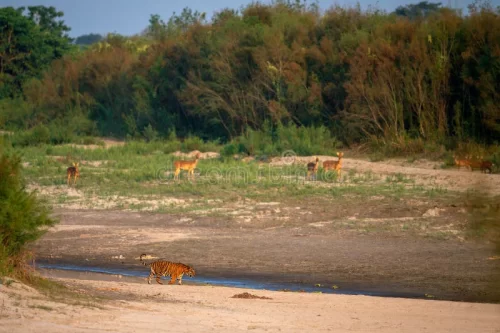
Burapahar Range Kaziranga National Park Assam with tiger and deer in forest river landscape National Park

Burapahar Range

Burapahar Range is a lesser-visited safari zone in Kaziranga known for its forested terrain and hilly backdrop.
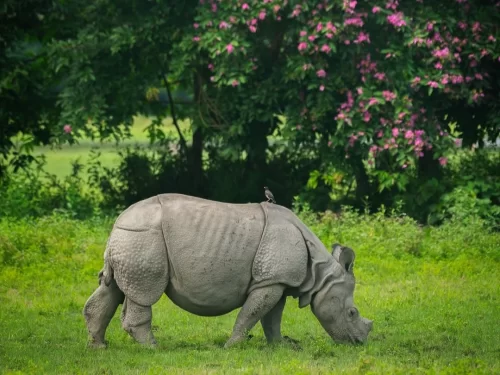
Eastern Agaratoli Range Kaziranga National Park Assam with one horned rhinoceros grazing in grassland National Park

Eastern Agaratoli Range

Eastern Agaratoli Range is a scenic and biodiversity-rich safari zone in Kaziranga National Park.
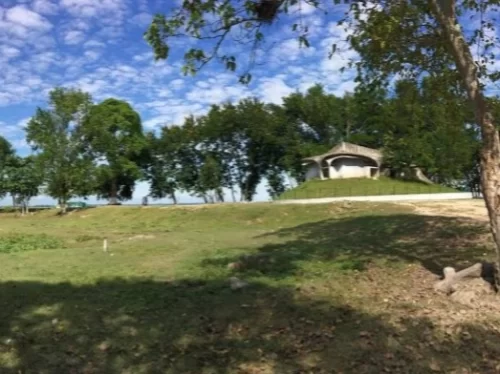
Western Bagori Range Kaziranga National Park Assam scenic grasslands and forest landscape in wildlife safari zone National Park

Western Bagori Range

Western Bagori Range is a popular safari zone in Kaziranga National Park known for frequent wildlife sightings.

Frequently Asked Questions About Kaziranga National Park

Kaziranga National Park is located in Assam, India, spread across Golaghat and Nagaon districts along the Brahmaputra River.
Kaziranga National Park is known for its population of one horned rhinoceros and its diverse grassland and wetland ecosystem.
The best time to visit Kaziranga National Park is from November to April when the park remains open and wildlife sightings are frequent.
Tourists can reach Kaziranga National Park by road from Guwahati and Tezpur, with Guwahati serving as the nearest major airport and railway station in Assam.
Yes, visitors must obtain an entry permit and book an authorized safari to enter Kaziranga National Park.
Kaziranga National Park supports rhinos, elephants, wild buffalo, swamp deer, tigers, and a wide variety of resident and migratory birds.
Yes, guided jeep safaris operate daily in different ranges of Kaziranga National Park during the official tourism season.
Yes, early morning elephant safaris are conducted in selected ranges of Kaziranga National Park subject to availability.
Kaziranga National Park has multiple safari zones including Central, Western, Eastern, and Burapahar ranges.
At least one full day is recommended to explore Kaziranga National Park, while two days allow visits to multiple safari zones.
Visitors should carry valid ID, sunscreen, comfortable clothing, binoculars, and drinking water when visiting Kaziranga National Park.
Tourists can find resorts, forest lodges, and hotels around Kohora, Bagori, and Bokakhat in Assam near Kaziranga National Park.

Loved this place ? Let’s Plan Your Assam Trip

Get customized Assam tour planning designed around seasonal weather patterns, river conditions, wildlife safari timing, and realistic road travel flow. Whether you are visiting for national parks, tea estate stays, cultural experiences, spiritual sites, o

⚡ Quick Response | 💰 Free consultation | 🕒 24×7 expert support

×

Plan Your Trip