Tawang Monastery in Tawang Arunachal Pradesh

Tawang Monastery , Tawang
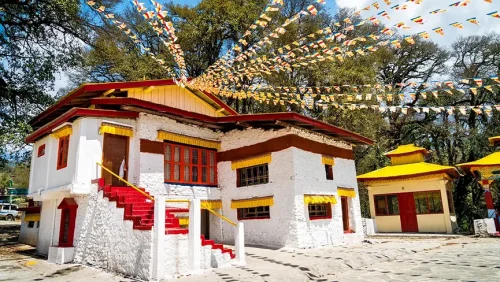
Tawang Monastery, also known as Galden Namgey Lhatse, sits at an elevation of about 10,000 feet overlooking the Tawang valley. It was founded in the 17th century and remains an important seat of Tibetan Buddhism in the region. The monastery complex includes prayer halls, monks quarters, a library, and a large assembly hall used for ceremonies. It plays a central role in local religious life and also serves as a historical and cultural landmark. Visitors mainly come to observe daily prayers, view Buddhist art and manuscripts, and understand the region’s spiritual traditions. Weather conditions and road access can affect visit timing, especially in winter.

Quick Facts About Tawang Monastery

Entry Fee Free
Timings 07:00 - 17:00
Altitude (m) 3048
Ideal Visit Duration (hrs) 2
Best Time of Day 07:00 - 10:00
Crowd Level Moderate
Distance from City Centre (km) 2
Walking Difficulty Moderate
Parking Available Yes
Last Mile Access Road
Suitable for Kids Yes
Suitable for Seniors Partially
Wheelchair Friendly No

Why Visit

Tawang Monastery is worth visiting because it is not just a historical structure but a functioning religious center where daily prayers, rituals, and teachings still take place. It offers a direct look into Tibetan Buddhist life in Arunachal Pradesh, which is difficult to experience elsewhere in India at this scale. The monastery also provides a high viewpoint over the Tawang valley, making it both a cultural and geographic landmark. For travelers interested in religion, Himalayan history, or local traditions, this place gives context that museums or viewpoints cannot.

Atmosphere

The atmosphere inside the monastery complex is calm but active. You can hear monks chanting in the prayer halls, the sound of prayer wheels being turned, and wind moving through the prayer flags. Early mornings are quiet and feel more devotional, while late mornings and afternoons become busier with visitors and student monks moving between buildings. The cold mountain air and open courtyards make the setting feel exposed, especially in winter, and weather can change quickly. Despite tourist presence, the monastery still feels primarily like a working religious institution rather than a tourist-only site.

What Makes It Special

What makes Tawang Monastery special is its scale and continued religious importance. It is the largest monastery in India and one of the largest in the world, yet it remains closely tied to the local Monpa community and Tibetan Buddhist traditions. The main prayer hall houses a large statue of the Buddha and wall paintings that are still used during ceremonies. The monastery also holds old religious texts and plays a role in recognizing important reincarnations in the Gelugpa tradition. Its location near the India-Tibet border adds historical and political significance, as it has long been a center of cultural exchange between Himalayan regions.

History

Tawang Monastery was founded in 1681 by Merag Lodroe Gyatso under the guidance of the Fifth Dalai Lama. It was built at a site chosen according to Buddhist belief, where a horse belonging to a lama is said to have stopped, marking the location as spiritually suitable. The monastery was established as a center of the Gelugpa school of Tibetan Buddhism and has remained active since its founding. Over the centuries, it has served both as a religious institution and as a regional authority for surrounding villages, influencing education, dispute resolution, and seasonal festivals.

The monastery holds strong religious importance because it is closely linked to the lineage of the Dalai Lama and the spread of Tibetan Buddhism into the eastern Himalayas. It houses important scriptures, ritual objects, and large prayer halls used for annual festivals such as Losar and Torgya. The main assembly hall contains a large seated statue of the Buddha, which remains a focal point for worship. Despite periods of political change and the 1962 conflict in the region, the monastery has continued to function as a living religious center rather than a preserved monument.

Best Time to Visit

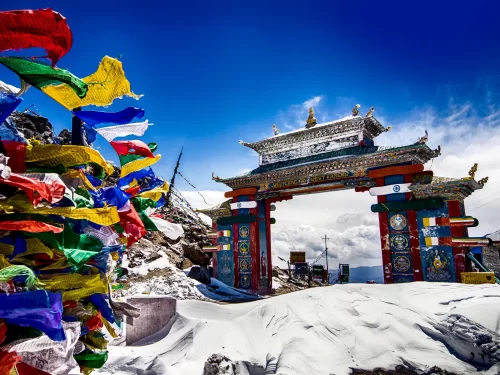
The best time to visit Tawang Monastery is from April to October, when roads are usually open and weather conditions are more stable. During these months, daytime temperatures are manageable and visibility across the valley is clear, making it easier to walk around the monastery complex. Winter months from November to March bring heavy snowfall, sub-zero temperatures, and frequent road closures, especially at Sela Pass, which can make reaching Tawang unpredictable. Even in summer, sudden fog and rain are common, so flexible travel plans are important.
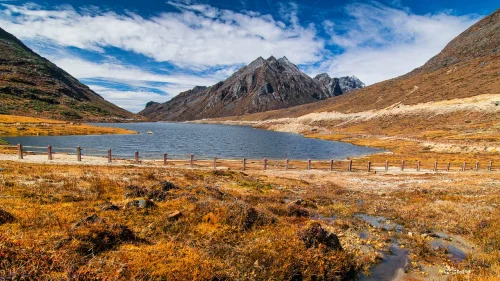
  • April to June offers clear skies and relatively low rainfall, making it suitable for photography and walking inside the monastery complex.
  • July to September is the monsoon season, with landslides possible on mountain roads and reduced visibility, though the monastery remains open.
  • October is one of the most balanced months with cold but dry weather and fewer tourists compared to summer.
  • November to March is extremely cold, with snow blocking access routes and limited transport options.
  • Festival periods such as Losar and Torgya attract more visitors and increase crowd levels inside the monastery.

How to Reach

  • By air, the nearest functional airport is Tezpur Airport in Assam, about 320 km from Tawang. From Tezpur, the journey continues by road through Bomdila and Dirang. Helicopter services to Tawang operate occasionally from Guwahati or Naharlagun, but schedules depend heavily on weather and visibility.
  • By train, the closest major railway station is Rangapara North in Assam, around 300 km away. From the station, taxis and shared sumos are available to reach Tawang via Bomdila. Travel time by road usually takes two days with an overnight stop.
  • By road, Tawang is connected to the rest of Arunachal Pradesh through mountain highways. The main route runs from Tezpur or Guwahati via Bomdila, Dirang, and Sela Pass. The road crosses high-altitude terrain, and travel time from Tezpur is usually 12 to 14 hours in good conditions.
  • To reach Tawang Monastery from Tawang town, local taxis and shared vehicles are easily available. The monastery is about 2 km from the town center and can also be reached on foot, though the uphill walk can be tiring at high altitude.
  • An Inner Line Permit is mandatory for Indian citizens and a Protected Area Permit is required for foreign nationals to enter Arunachal Pradesh. These permits are checked at multiple points on the route to Tawang.
  • Road conditions vary by season. Landslides and snow can block access, especially at Sela Pass during winter and peak monsoon months, so buffer days are recommended in travel plans.

What to Expect When You Visit

  • You will enter an active monastery, not a museum. Monks conduct daily prayers and study sessions, and visitors are expected to stay quiet inside prayer halls.
  • Most of the complex involves walking across open courtyards and climbing stone steps. The thin air at over 3000 meters makes even short walks feel tiring for first-time visitors.
  • The main assembly hall contains a large Buddha statue and wall paintings. Photography may be restricted in certain areas, and signs are posted near sensitive sections.
  • Weather can change quickly. Even on sunny days, strong winds and cold temperatures are common, so warm clothing is necessary year round.
  • During late mornings and festival days, tourist groups and local pilgrims increase crowd levels, especially near the main prayer hall.
  • Facilities inside the monastery are basic. There are no cafes or restrooms inside the main complex, and shops are limited to small stalls outside the entrance.
  • Local monks and caretakers may not speak English fluently. Most information is learned through observation rather than guided explanations unless you hire a local guide.
  • The visit is more about observing daily religious life than interactive exhibits, so travelers looking for quiet cultural experience usually enjoy it more than those expecting structured tours.

Important Visitor Information

  • Crowd and Weather Notes: The monastery sees moderate crowds on most days, with higher footfall during late mornings, weekends, and local festival periods. Weather is cold throughout the year due to high altitude, and strong winds are common in open courtyards. Fog and rain can reduce visibility, especially from July to September.
  • Peak and Quiet Hours: Peak hours are usually between 10:00 AM and 2:00 PM when tourist vehicles arrive from town. Quieter hours are early morning between 7:00 AM and 9:00 AM, when prayer sessions are underway and fewer visitors are present.
  • Dress Code: Visitors should wear modest clothing with covered shoulders and knees. Short skirts, sleeveless tops, and tight clothing are discouraged. Footwear must be removed before entering prayer halls.
  • Safety Notes: The complex has uneven stone paths and steps that can become slippery in rain or snow. Visitors should walk carefully, especially seniors and children. Due to the high altitude, those with breathing or heart conditions should limit physical exertion and take rest breaks.

Photography and Viewpoint

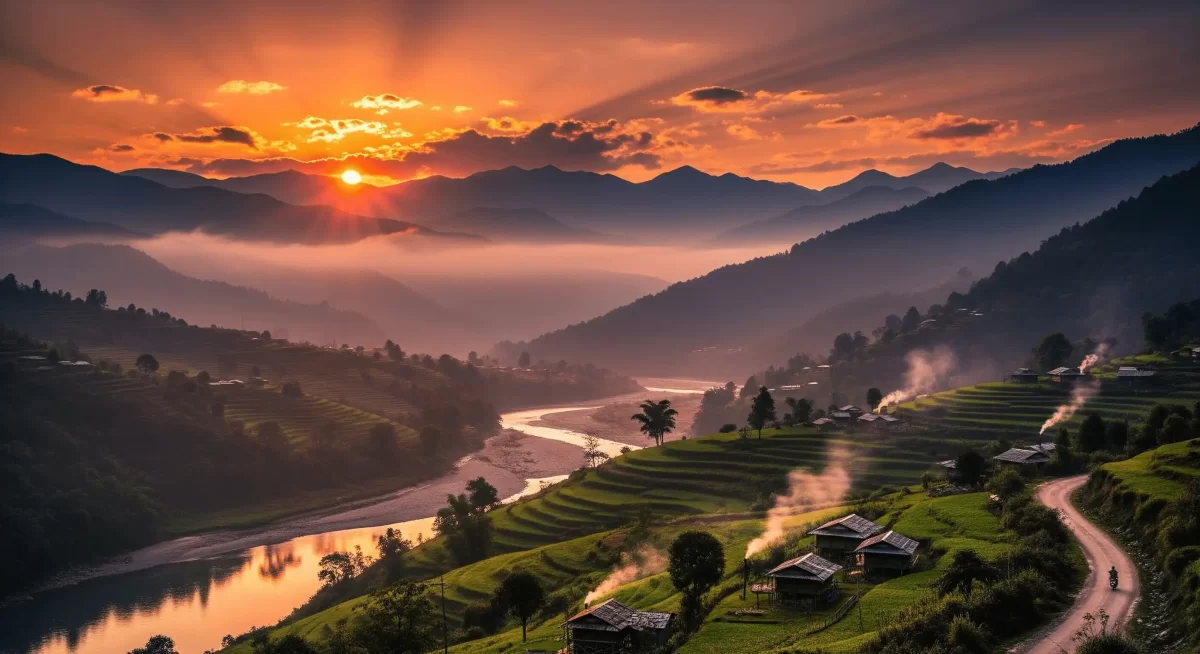
  • The best viewpoints are from the open terraces and courtyards near the main assembly hall, where you get a wide view of Tawang town and the surrounding valley. On clear days, the layered hills and rooftops of the town are visible below the monastery walls.
  • Early morning light between 7:00 AM and 9:00 AM provides softer shadows on the monastery buildings and better visibility across the valley. Afternoon light is harsher and often affected by cloud build-up and wind.
  • Photography inside prayer halls is restricted, especially near the main Buddha statue and during prayer sessions. Signs are placed at entrances, and visitors are expected to follow them without argument.
  • Outdoor photography of the monastery architecture, courtyards, and prayer wheels is generally allowed. Monks and local worshippers should not be photographed without permission.
  • Weather directly affects photo conditions. Fog and low clouds are common after midday, and strong winds can make tripod use difficult in open areas.
  • There are no marked photo platforms or railings for viewpoints. Most shots are taken from walking paths and open courtyards, so care is needed near edges, especially in wet or icy conditions.
  • Winter visits may offer snow-covered roofs and flags, but visibility is often poor and access points can be slippery, limiting safe photography time.

Near By Attraction

Tibetan Settlement Market in Arunachal Pradesh bustling street with Tibetan handicrafts and local shops Market / Bazaar

Tibetan settlement market tawang

Tibetan Settlement Market in Tawang is a small local market area known for Tibetan style shops selling handicrafts, clothes, and daily use items.

Tawang War Memorial majestic white stupa honoring brave soldiers amid scenic mountain surroundings in Arunachal Pradesh tour Package. War Memorial

Tawang War Memorial

Tawang War Memorial is a high altitude military memorial built to honor Indian soldiers who lost their lives during the 1962 Sino Indian War and later operations in the region.

Giant Buddha Statue majestic golden seated Buddha monument against clear blue sky in Arunachal Pradesh Package. Temple

Giant Buddha Statue & Temple

The Giant Buddha Statue and Temple in Tawang is a large seated Buddha statue complex located near Tawang town, known for its elevated viewpoint and peaceful setting.

Frequently Asked Questions About Tawang Monastery

The best time to visit Tawang Monastery is from March to June and September to October when the weather remains clear and pleasant. Winters in Arunachal Pradesh can be extremely cold with occasional snowfall affecting travel plans.
Tawang Monastery is located about 2 kilometers from Tawang town and can be reached easily by local taxi or private vehicle within 10 minutes. The road is well connected and offers scenic mountain views along the way.
Tawang Monastery is generally open from early morning to late afternoon for visitors. It is advisable to visit during daylight hours to fully explore the prayer halls and surrounding viewpoints.
There is no major entry fee for Tawang Monastery, but small donations are often welcomed for maintenance. Visitors may need to pay separate charges for camera usage depending on local rules.
Most visitors spend around one to two hours exploring Tawang Monastery at a comfortable pace. Additional time may be needed if you wish to attend prayer sessions or quietly observe rituals.
Tawang Monastery is accessible for senior citizens who can manage mild walking and steps. Some sections involve stairways, so comfortable footwear is recommended.
Visitors should wear modest and respectful clothing when visiting Tawang Monastery. Warm layers are essential as temperatures in the Tawang region remain cool throughout much of the year.
Photography is generally allowed in open courtyard areas of Tawang Monastery but may be restricted inside prayer halls. It is best to confirm guidelines before taking pictures.
Parking is available near Tawang Monastery for private vehicles and taxis. During peak tourist season, arriving earlier in the day helps secure convenient parking space.
Tawang Monastery can be comfortably covered within a few hours as part of a full day sightseeing plan in Tawang. Its central location makes it easy to combine with nearby viewpoints and cultural sites.

Loved this place ? Let’s Plan Your Arunachal Pradesh Trip

Get customized Arunachal Pradesh tour planning designed around mountain road distances, permit requirements, seasonal weather windows, and realistic travel pacing. Whether you are visiting for monasteries, high-altitude passes, river valleys, tribal cultu

⚡ Quick Response | 💰 Free consultation | 🕒 24×7 expert support

×

Plan Your Trip