+91 9910402252
admin@chalbanjare.com


| Entry Fee | Free |
| Timings | 09:00 - 19:00 |
| Altitude (m) | 3050 |
| Ideal Visit Duration (hrs) | 0.75 |
| Best Time of Day | Late morning |
| Crowd Level | Low to moderate |
| Distance from City Centre (km) | 1.5 |
| Walking Difficulty | Easy |
| Parking Available | Yes |
| Last Mile Access | Road |
| Suitable for Kids | Yes |
| Suitable for Seniors | Yes |
| Wheelchair Friendly | Partial |
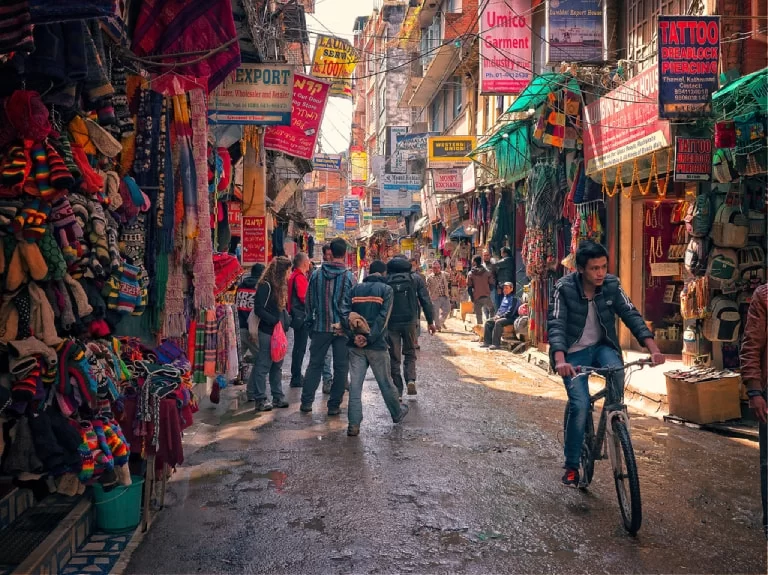
Tibetan Settlement Market is worth visiting if you want to see everyday commercial life of the Tibetan community in Tawang rather than a tourist focused bazaar. It is a practical place to buy warm clothing, simple handicrafts, and household items used by local residents. The market also helps travelers understand how the settlement functions as a living neighborhood, not just a cultural display area.
The atmosphere is quiet and routine, with shopkeepers attending to regular customers and residents going about daily errands. There is no fixed market street layout; shops are spread along small roads within the settlement area. Compared to the main town market, there is less noise and fewer tourists. Mornings and early afternoons feel calm, while activity drops sharply in the evening, especially during winter.
What makes this market different from other shopping areas in Tawang is its community focus. Most shops are run by Tibetan families and sell items linked to their daily needs, such as woolen clothing, prayer flags, incense, and basic groceries. It is not designed as a souvenir center, so products feel functional rather than decorative. The setting inside the settlement also gives visitors a closer look at local housing patterns and small scale trade instead of a commercial tourist zone.
The Tibetan Settlement Market developed as part of the Tibetan refugee settlement established in Tawang after the 1959 Tibetan uprising, when groups of Tibetans crossed into India and were allowed to settle in parts of Arunachal Pradesh. The settlement was created to provide housing and livelihood opportunities, and small shops emerged naturally to meet daily needs of the community.
The market grew as a support space for residents rather than as a planned commercial center. Over time, it began selling woolen clothing, religious items, and household goods sourced from nearby towns and local producers. Unlike Tawang main market, it has remained closely tied to the settlement population and continues to function mainly as a neighborhood trading area rather than a tourist marketplace.
The best time to visit the Tibetan Settlement Market in Tawang is from April to October, when road access to Tawang is more reliable and daily shopping activity in the settlement is normal. During these months, most shops remain open throughout the day, and walking around the settlement area is more comfortable. From November to March, heavy snowfall and very low temperatures often affect transport and reduce shop hours, with some stalls remaining closed for long periods.
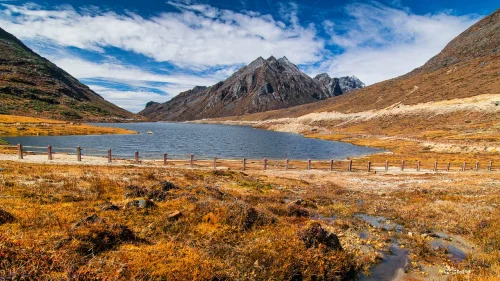 Lake
Lake
Sela Lake is a high-altitude glacial lake located near Sela Pass in Tawang district, Arunachal Pradesh, India.
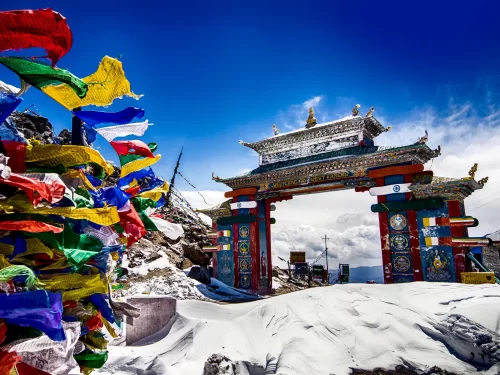 Tourist Attraction
Sela Pass is a high-altitude mountain pass located in Tawang district, Arunachal Pradesh, India.
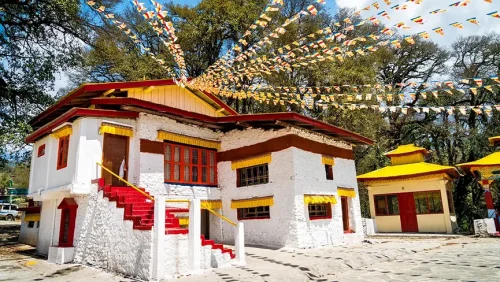 Monastery
Ugyenling Buddhist Monastery is a Buddhist monastery located near Tawang in Arunachal Pradesh, India.
Get customized Arunachal Pradesh tour planning designed around mountain road distances, permit requirements, seasonal weather windows, and realistic travel pacing. Whether you are visiting for monasteries, high-altitude passes, river valleys, tribal cultu
⚡ Quick Response | 💰 Free consultation | 🕒 24×7 expert support

