+91 9910402252
admin@chalbanjare.com


| Entry Fee | Free |
| Timings | 07:00 - 18:00 |
| Altitude (m) | 3048 |
| Ideal Visit Duration (hrs) | 1 |
| Best Time of Day | Late Afternoon |
| Crowd Level | Moderate |
| Distance from City Centre (km) | 2 |
| Walking Difficulty | Easy |
| Parking Available | Yes |
| Last Mile Access | Road |
| Suitable for Kids | Yes |
| Suitable for Seniors | Yes |
| Wheelchair Friendly | Partial |
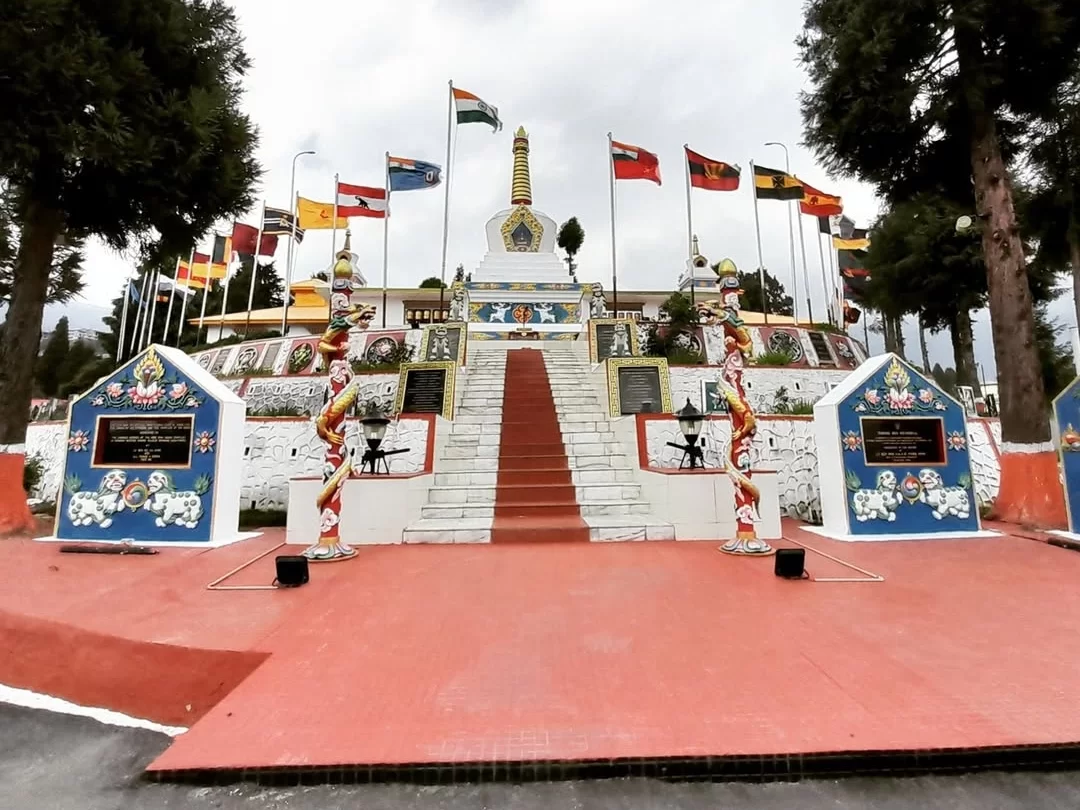
Tawang War Memorial is worth visiting to understand the military history of the region and the role Tawang played during the 1962 Sino Indian War. It is one of the few places in Arunachal Pradesh where visitors can directly connect the landscape with recorded battle history. The memorial allows travelers to read the names of fallen soldiers and learn about the conditions in which they fought, giving context to the strategic importance of Tawang beyond its religious sites.
The atmosphere is quiet and formal, with a clear focus on remembrance rather than sightseeing. The site is open and windy, and the cold is noticeable even during summer months. During the day, it feels calm and reflective, while in the evening the light and sound show brings more visitors and creates a structured, educational setting. Unlike monasteries, there is little movement or activity here apart from visitors walking slowly along the engraved panels.
What makes Tawang War Memorial special is its location and purpose. It is built on a ridge overlooking the valley, symbolizing vigilance at a high altitude border region. The memorial combines a stupa like structure with black stone plaques listing the names of soldiers who died in the 1962 war and later operations. The evening light and sound show explains the conflict in simple terms and connects the memorial to the surrounding terrain, making it both a tribute site and a historical learning point.
Tawang War Memorial was built and is maintained by the Indian Army to commemorate soldiers who lost their lives during the 1962 Sino Indian War and subsequent military operations in the region. The memorial stands near the town of Tawang, close to areas that were directly affected by the conflict, making its location historically relevant rather than symbolic alone.
The memorial records the names of soldiers who died defending the frontier in extremely difficult terrain and weather conditions. It was designed as a permanent tribute site where civilians and families of servicemen could pay respect. Over time, it has also become an educational stop for visitors, explaining the strategic importance of Tawang and the circumstances of the 1962 war through engraved panels and the evening light and sound presentation.
The best time to visit Tawang War Memorial is from April to October, when road access to Tawang is more reliable and weather conditions allow comfortable movement around the open memorial grounds. During these months, daytime temperatures are cold but manageable, and visibility of the surrounding hills is usually clear. From November to March, snowfall and freezing temperatures often affect road connectivity over Sela Pass, and the memorial area becomes very cold and windy, limiting time spent outdoors.
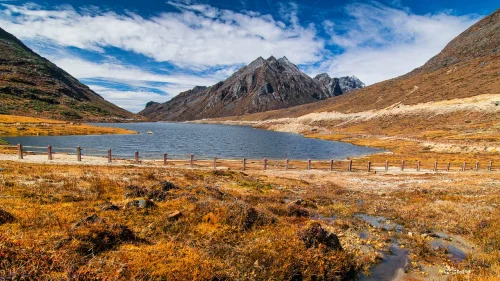 Lake
Lake
Sela Lake is a high-altitude glacial lake located near Sela Pass in Tawang district, Arunachal Pradesh, India.
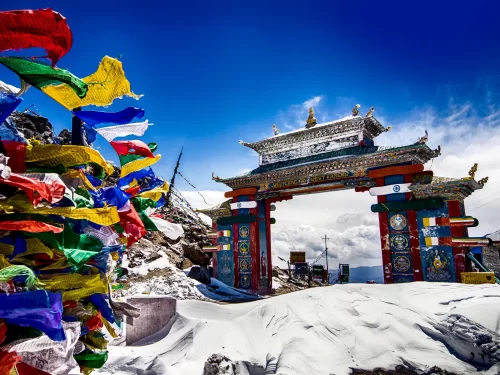 Tourist Attraction
Sela Pass is a high-altitude mountain pass located in Tawang district, Arunachal Pradesh, India.
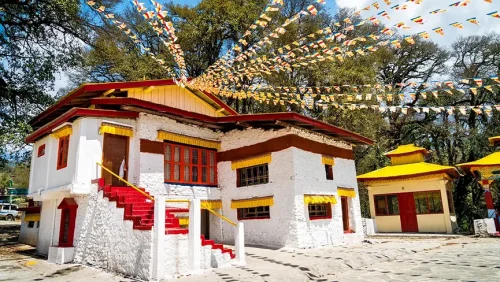 Monastery
Ugyenling Buddhist Monastery is a Buddhist monastery located near Tawang in Arunachal Pradesh, India.
Get customized Arunachal Pradesh tour planning designed around mountain road distances, permit requirements, seasonal weather windows, and realistic travel pacing. Whether you are visiting for monasteries, high-altitude passes, river valleys, tribal cultu
⚡ Quick Response | 💰 Free consultation | 🕒 24×7 expert support

