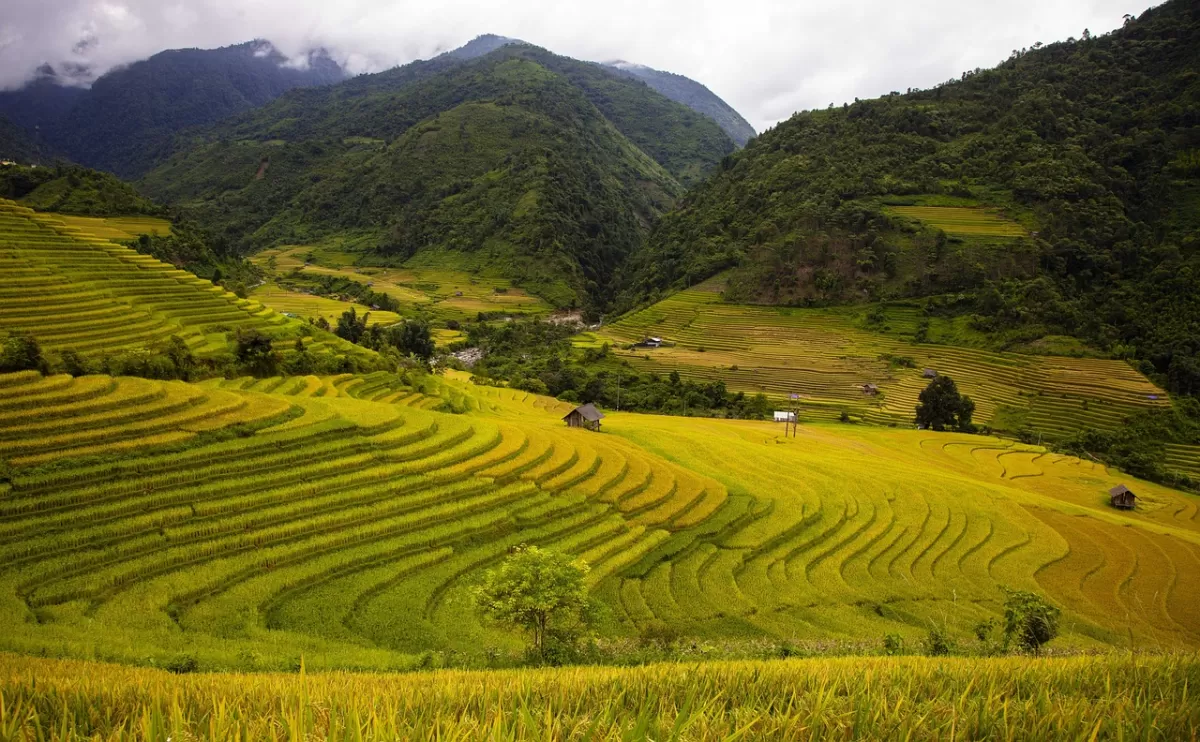
Sangti Valley Paddy Fields, Sangti Valley, Arunachal Pradesh, India

Sangti Valley Paddy Fields , Dirang
Visitors come to experience the valley’s rural scenery, observe traditional farming practices, and enjoy views of the surrounding Himalayan mountains. The paddy fields form a key part of Sangti Valley’s cultural landscape and are particularly scenic during the growing and harvest seasons.

Quick Facts About Sangti Valley Paddy Fields

Sangti Valley Paddy Fields Quick Facts

Entry Fee No entry fee
Timings Accessible throughout the day; daylight hours are recommended for sightseeing and photography.
Altitude (m) Approximately 1,600 m above sea level
Ideal Visit Duration 1–2 hours
Best Time of Day Early morning or late afternoon for the best light and valley views.
Crowd Level Low; generally uncrowded except during peak Arunachal Pradesh tourism season.
Distance from City Centre (km) Approximately 15 km from Dirang town centre.
Walking Difficulty Easy; exploration involves short walks along village roads and field-side paths.
Parking Available Limited roadside parking available near viewpoints and village access points.
Last Mile Access Direct road access through Sangti Valley followed by short walks to viewpoints and paddy field areas.
Suitable for Kids Yes
Suitable for Seniors Yes
Wheelchair Friendly Partially; road-accessible viewpoints are accessible, but field paths and rural tracks may limit movement.

Why Visit Sangti Valley Paddy Fields

Visitors come to Sangti Valley Paddy Fields to experience the scenic agricultural landscapes of Arunachal Pradesh and enjoy views of traditional farming practices set against a backdrop of mountains and forests.

The atmosphere is peaceful and rural, with open fields, flowing streams, and small villages creating a relaxed environment that contrasts with busier tourist destinations.

What makes Sangti Valley Paddy Fields distinct is the combination of terraced farmlands, seasonal changes in the valley’s colors, and the opportunity to observe the traditional lifestyle of the local Monpa community within a picturesque Himalayan setting.

History of Sangti Valley Paddy Fields

The paddy fields of Sangti Valley are an integral part of the traditional agricultural landscape of the Monpa community in Arunachal Pradesh. For generations, local families have cultivated rice in the fertile valley, using farming practices adapted to the region's climate, terrain, and water resources.

Agriculture has long been the foundation of life in Sangti Valley, shaping local customs, seasonal festivals, and community traditions. The extensive terraced fields reflect the region's agrarian heritage and the close relationship between the Monpa people and their natural environment.

Today, the Sangti Valley paddy fields remain a defining feature of the valley's cultural landscape, offering visitors a glimpse into the traditional rural lifestyle and agricultural heritage of western Arunachal Pradesh.

Best Time to Visit Sangti Valley Paddy Fields

Sangti Valley Paddy Fields are best visited from March to May and September to November when the weather is pleasant, the valley is easily accessible, and visitors can enjoy sweeping views of farmlands, traditional villages, and the surrounding Eastern Himalayan landscape.
  • Ideal months: March to May and September to November are the most favorable months to visit Sangti Valley Paddy Fields, offering comfortable temperatures and excellent sightseeing conditions.
  • Weather conditions during the best season: Spring brings fresh greenery and blooming landscapes, while autumn offers clear skies, crisp mountain air, and scenic views of golden paddy fields nearing harvest. These seasons are also ideal for photography and nature walks.
  • Periods to avoid: June to August experiences heavy monsoon rainfall, which can affect road conditions, outdoor activities, and visibility. December to February can be quite cold, with frosty mornings and occasional disruptions caused by winter weather in the higher reaches of the valley.

How to Reach Sangti Valley Paddy Fields

  • Nearest Airport: Tezpur Airport, located approximately 190 km from Sangti Valley, is the nearest airport. Many travelers also use Lokpriya Gopinath Bordoloi International Airport in Guwahati, about 340 km away, due to its wider flight connectivity.
  • Nearest Railway Station: Rangapara North Railway Station, approximately 170 km away, is the nearest railway station. Travelers typically continue their journey by road via Bhalukpong and Dirang.
  • Road Access and Last-Mile Connectivity: Sangti Valley Paddy Fields are located around 15 km from Dirang in West Kameng district of Arunachal Pradesh. The valley is accessible by a scenic motorable road from Dirang, and private vehicles, taxis, and local cabs can reach the paddy field areas directly. The final approach requires minimal walking through village paths and open farmland. Road conditions are generally good, though travel times may increase during the monsoon season. An Inner Line Permit (ILP) is required for Indian citizens visiting Arunachal Pradesh.

What to Expect When You Visit Sangti Valley Paddy Fields

  • Environment and Surroundings: Sangti Valley Paddy Fields are spread across a broad river valley near Dirang, surrounded by pine-covered hills, traditional Monpa villages, grazing meadows, and Himalayan mountain scenery. The landscape changes with the agricultural cycle, creating vibrant green fields during the growing season.
  • Facilities and Amenities: Tourist facilities within the paddy field area are limited. Basic homestays, guesthouses, local eateries, and essential services are available in nearby Sangti and Dirang, but extensive commercial infrastructure is not present in the valley itself.
  • Accessibility and Movement: The valley is accessible by road from Dirang and can be explored through village roads, walking paths, and open countryside tracks. Visitors should expect uneven ground and agricultural pathways when moving around the fields.
  • Visitor Conditions: Most visitors come for landscape photography, birdwatching, village experiences, and peaceful nature walks. Agricultural activities may restrict access to certain sections of the fields, and weather conditions can affect visibility and road conditions, particularly during the monsoon season.

Important Visitor Information for Sangti Valley Paddy Fields

  • Sangti Valley Paddy Fields experience the highest visitor numbers during the agricultural season from April to October and the peak travel months of March to May and October to November.
  • Early morning hours generally offer the best views of the valley, pleasant weather, and excellent opportunities for photography before visitor activity increases.
  • Monsoon rains transform the paddy fields into lush green landscapes but can make village roads, trails, and field edges muddy or slippery.
  • No specific dress code applies, though comfortable clothing, walking shoes, and warm layers for mornings and evenings are recommended.
  • Visitors should remain on designated paths, avoid walking through cultivated fields, respect local farming activities, and exercise caution on uneven or wet ground.

Photography and Viewpoints at Sangti Valley Paddy Fields

  • The best photographs are captured from the valley roads and elevated viewpoints overlooking the paddy fields, where the patchwork of cultivated land, traditional villages, and surrounding Himalayan mountains can be framed together.
  • Early morning offers the clearest visibility, soft golden light, and occasional mist drifting across the fields, making it the preferred time for landscape photography.
  • During the growing season, the vibrant green paddy fields create striking patterns across the valley floor, while the harvest season adds golden tones and a distinctly different visual character.
  • The Sangti River and nearby wooden bridges provide additional foreground elements for wide-angle compositions featuring the agricultural landscape and forested hills.
  • Winter photography can be rewarding when migratory black-necked cranes visit the valley, offering unique wildlife photography opportunities from designated viewing areas.
  • Photography is generally permitted throughout public areas of the valley, but visitors should respect private farmland and seek permission before entering agricultural plots or photographing local residents.
  • Clear post-monsoon days provide some of the most photogenic conditions, with lush fields, snow-dusted peaks in the distance, and excellent visibility across the valley.

Near By Attraction

 Viewpoint

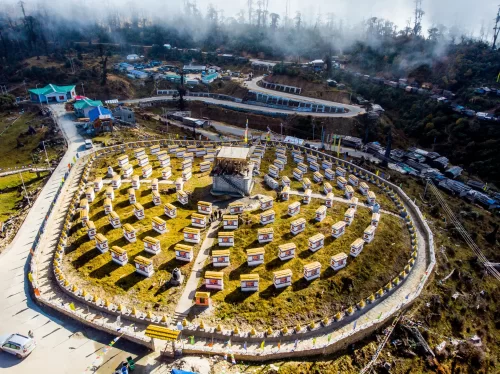
Mandala Top Dirang

Mandala Top is a high-altitude mountain viewpoint located near Dirang in West Kameng district, Arunachal Pradesh, known for its collection of 108 Buddhist stupas and panoramic Himalayan landscapes.
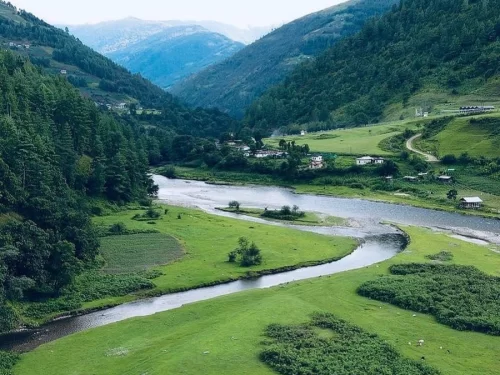
Sangati Valley scenic green valley with winding river and lush hills creating a picturesque landscape in Arunachal Pradesh Tour Package. Valley

Sangti Valley

Sangti Valley Dirnah is a tranquil Himalayan valley near Dirang, known for its scenic beauty, river views, and seasonal birdwatching opportunities.
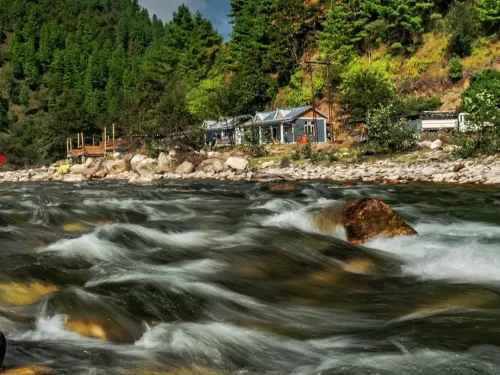
Dirang Chu River pristine mountain river flowing through scenic valleys and pine forests in Arunachal Pradesh Package. River

Dirang Chu River

Dirang Chu River is a mountain river flowing through the town of Dirang in West Kameng district of Arunachal Pradesh, India.

Frequently Asked Questions About Sangti Valley Paddy Fields

Loved this place ? Let’s Plan Your Arunachal Pradesh Trip

Get customized Arunachal Pradesh tour planning designed around mountain road distances, permit requirements, seasonal weather windows, and realistic travel pacing. Whether you are visiting for monasteries, high-altitude passes, river valleys, tribal cultu

⚡ Quick Response | 💰 Free consultation | 🕒 24×7 expert support

×

Plan Your Trip