Quick Facts About Sangti Valley
| Entry Fee | Free |
| Timings | 06:00 - 18:00 |
| Altitude (m) | 1400 |
| Ideal Visit Duration (hrs) | 4 |
| Best Time of Day | Morning |
| Crowd Level | Moderate |
| Distance from City Centre (km) | 22 |
| Walking Difficulty | Moderate |
| Parking Available | Yes |
| Last Mile Access | Walk |
| Suitable for Kids | Yes |
| Suitable for Seniors | Yes |
| Wheelchair Friendly | No |
Why Visit Sangti Valley Dirnah
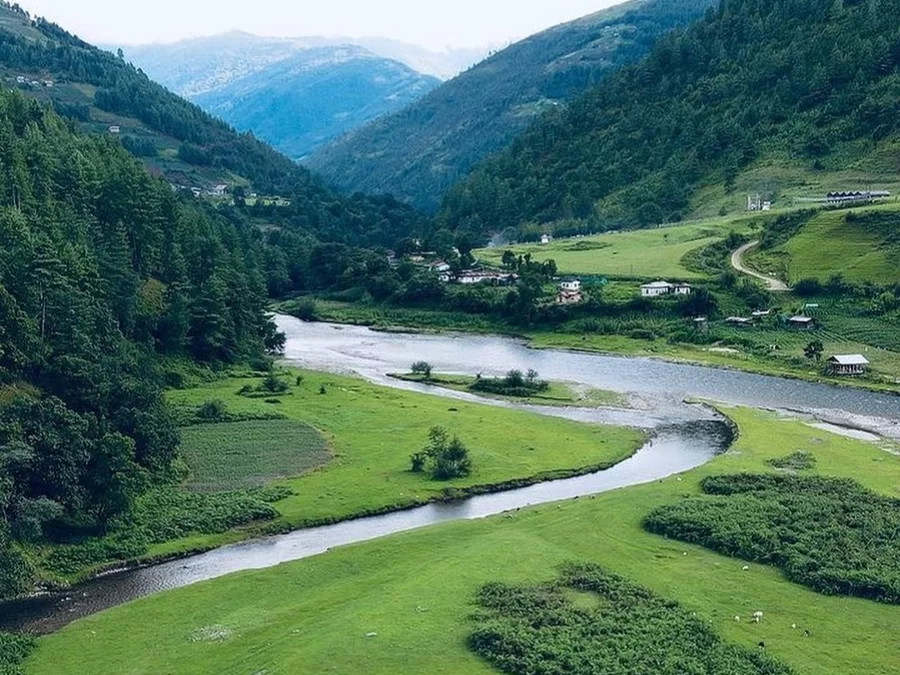
Sangti Valley Dirnah is a must-visit for travelers seeking tranquility and natural beauty in the Himalayan foothills. The valley offers wide-open landscapes, gently flowing rivers, and minimal human interference, creating a serene environment for relaxation and reflection.
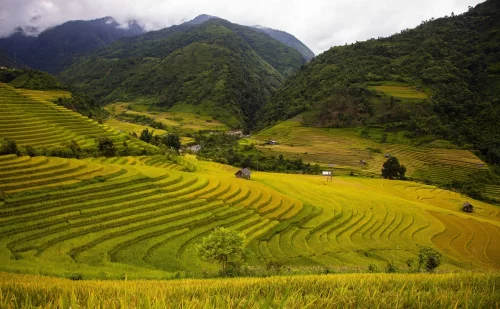
The atmosphere is calm and unspoiled, with terraced fields, forested slopes, and the occasional sight of grazing livestock or local Monpa villagers working in the fields. The quiet surroundings make it ideal for walking, photography, and experiencing rural life firsthand.
What makes this valley special is its seasonal significance as a habitat for migratory Black-necked Cranes. During winter months, visitors can witness these rare birds amidst the striking valley backdrop, combining wildlife observation with scenic Himalayan landscapes.
History
Sangti Valley Dirnah does not have a formal historical monument, but it has been inhabited for generations by the Monpa community. The valley’s fertile land and riverbanks have supported traditional agriculture and livestock grazing for decades.
Culturally, the valley holds significance during the winter season when migratory Black-necked Cranes arrive. Local communities observe and celebrate the cranes’ presence, highlighting the valley’s role in the ecological and cultural landscape of the region.
Best Time to Visit Sangti Valley Dirnah
The ideal time to visit Sangti Valley Dirnah is from October to February when the weather is clear, skies are bright, and the valley’s natural beauty is fully visible. This period also coincides with the arrival of migratory Black-necked Cranes, making it perfect for wildlife observation and photography.
Spring months from March to April are also pleasant, with mild temperatures and fresh greenery, but fewer birds are present. Monsoon season (June to September) is not recommended due to slippery paths and muddy terrain.
- October to February: Clear skies, ideal for photography and crane sightings
- March to April: Pleasant weather with fresh greenery, quieter environment
- Early mornings provide the best light and calm surroundings
- Avoid monsoon months (June–September) due to slippery roads and heavy rain
How to Reach Sangti Valley Dirnah
- By Road: Sangti Valley Dirnah is approximately 22 km from Dirang town and can be reached via a well-maintained motorable road. Private taxis or shared cabs are commonly used to access the valley.
- From Bomdila: The valley is around 42 km away via NH13, taking roughly 2 hours depending on road conditions.
- By Rail: The nearest railway station is Rangapara North in Assam. Travelers must continue by road to Dirang and then to Sangti Valley.
- By Air: The closest airport is Lokpriya Gopinath Bordoloi International Airport in Guwahati, approximately 320 km away. Road travel via Tezpur to Dirang is required to reach the valley.
- Last Mile Access: The main viewpoints and riverbank areas are accessible via short walks from parking spots. Terrain is mostly flat with occasional gentle slopes.
What to Expect When You Visit Sangti Valley Dirnah
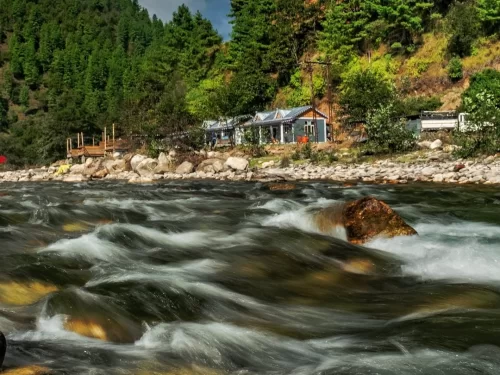
- Expansive Himalayan valley views with terraced fields, forested slopes, and the Sangti River flowing through the landscape.
- Opportunities for birdwatching, including spotting the rare migratory Black-necked Cranes during winter months.
- Quiet, low-crowd environment suitable for photography, nature walks, and short hikes.
- Small Monpa villages and traditional farmland, offering insights into rural life and local practices.
- Minimal facilities; visitors should carry water, snacks, and sun protection.
- Some uneven terrain near riverbanks and viewpoints, requiring cautious walking.
Important Visitor Information
- Crowd & Weather Notes: Sangti Valley Dirnah remains relatively quiet, even during peak season. Mornings and evenings are cool, and occasional fog or light rain may occur, particularly in winter and monsoon months.
- Peak / Quiet Hours: Early mornings (6:00 AM – 9:00 AM) and late afternoons (4:00 PM – 6:00 PM) are the most peaceful times to visit.
- Dress Code: Casual and comfortable clothing is suitable. Modest attire is recommended near local villages. Sturdy footwear is advised for uneven paths.
- Safety Notes: Watch footing near riverbanks and uneven fields. Supervise children at all times. Carry water and snacks, as facilities are limited.
Photography and Viewpoint
- Sangti Valley Dirnah provides stunning wide-angle views of terraced fields, the Sangti River, and surrounding Himalayan foothills, perfect for landscape photography.
- Winter mornings offer soft light and clear skies, ideal for capturing migratory Black-necked Cranes and the valley’s natural beauty.
- Evening light casts warm tones across the valley, enhancing the colors of farmland, forests, and rivers for dramatic shots.
- Close-up photography opportunities include local flora, riverbanks, and glimpses of Monpa villagers’ traditional activities.
- Tripods are useful for low-light morning or late afternoon photography, though uneven terrain requires careful placement.
- Several natural viewpoints along the valley road provide unobstructed panoramas for wide scenic compositions.