+91 9910402252
admin@chalbanjare.com


| Entry Fee | Free |
| Timings | 00:00 - 23:59 |
| Altitude (m) | 8586 |
| Ideal Visit Duration (hrs) | 2 |
| Best Time of Day | Morning |
| Crowd Level | Moderate |
| Distance from Gangtok (km) | 120 |
| Walking Difficulty | Hard |
| Parking Available | Yes |
| Last Mile Access | Road |
| Suitable for Kids | Yes |
| Suitable for Seniors | Yes |
| Wheelchair Friendly | No |
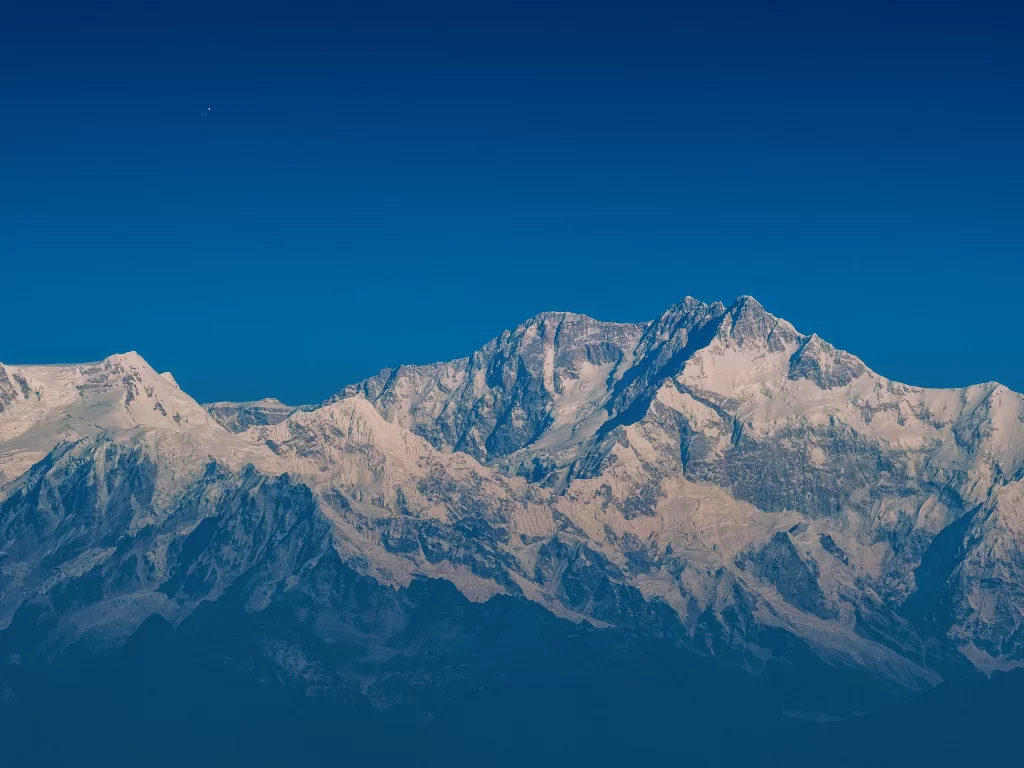
Kangchenjunga is a must-visit destination for nature lovers, trekkers, and spiritual travelers. As the world’s third-highest peak, it offers awe-inspiring panoramas of snow-capped mountains, glaciers, and alpine landscapes that are unmatched in their grandeur.
The atmosphere around Kangchenjunga is serene and tranquil, with the quiet of high-altitude valleys and the majestic presence of the mountain creating a sense of peace and wonder. Clear mornings provide spectacular sunrise views, with golden sunlight illuminating the towering peaks.
What makes Kangchenjunga truly special is its combination of natural beauty and spiritual significance. Locally revered as a sacred mountain by the people of Sikkim and neighboring regions, it offers a culturally rich experience alongside trekking adventures. Whether viewed from a distance at popular viewpoints or explored on trekking routes, Kangchenjunga captivates visitors with its pristine environment and breathtaking vistas.
Kangchenjunga holds deep spiritual significance for the people of Sikkim and neighboring regions. Traditionally considered the abode of gods and local deities, the mountain is revered in Buddhist and Lepcha traditions. It is believed that the five peaks represent sacred elements, and the mountain is treated with great respect by locals, who avoid climbing its summit as a mark of reverence.
Exploration of Kangchenjunga began during the 19th and early 20th centuries, with early surveys and mountaineering attempts by British explorers. The peak was first successfully climbed in 1955 by a British expedition, although climbers historically stop short of the actual summit to honor local beliefs.
Beyond its spiritual importance, Kangchenjunga’s surrounding valleys and glaciers have shaped the cultural and ecological heritage of the region, supporting traditional farming, trekking paths, and communities that have lived in harmony with the high-altitude environment for centuries.
The ideal time to visit Kangchenjunga is during the spring (March to May) and autumn (September to November) seasons. During these months, the weather is clear, skies are bright, and visibility of the Himalayan peaks is at its best, offering stunning views for sightseeing, trekking, and photography.
Winter (December to February) brings cold temperatures and occasional snowfall, making trekking challenging but providing crisp, clear air for distant views. Monsoon (June to August) is less ideal due to heavy rainfall, mist, and limited visibility of the peaks.
Early morning hours provide the clearest views of the peaks and are the best time for photography at viewpoints and trekking camps.
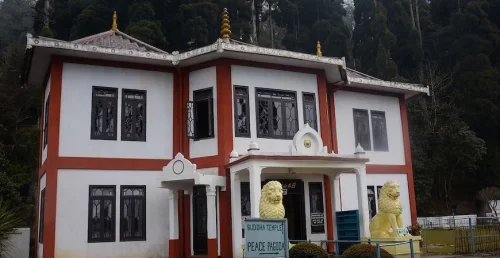 Temple
The Japanese Buddhist Temple is a Buddhist place of worship established by the Nipponzan Myohoji order in Darjeeling.
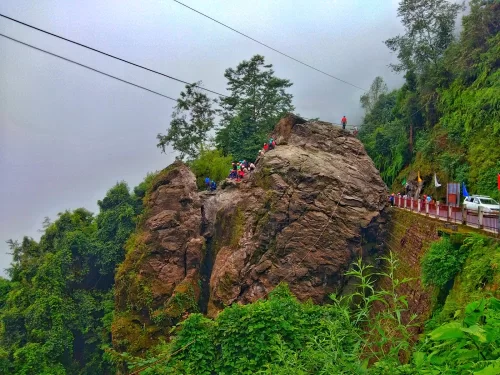 Tourist Attraction
Gombu Rock is a natural rock climbing site located near the Himalayan Mountaineering Institute in Darjeeling.
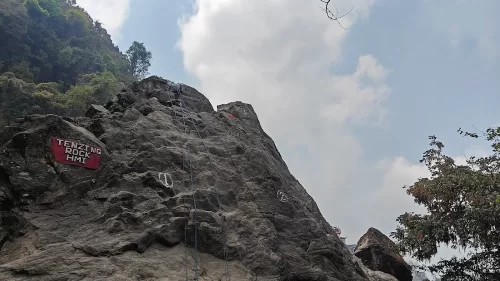 Tourist Attraction
Tenzing Rock and the Himalayan Mountaineering Institute are two prominent adventure and mountaineering landmarks in Darjeeling.
Plan your West Bengal trip with customized itineraries, local insights, and expert support designed for a smooth and enriching travel experience
⚡ Quick Response | 💰 Free consultation | 🕒 24×7 expert support

