+91 9910402252
admin@chalbanjare.com


| Entry Fee | Free |
| Timings | 00:00 - 23:59 |
| Altitude (m) | 1695 |
| Ideal Visit Duration (hrs) | 8 |
| Best Time of Day | Morning |
| Crowd Level | Low |
| Distance from Darjeeling (km) | 19 |
| Walking Difficulty | Moderate |
| Parking Available | Yes |
| Last Mile Access | Road |
| Suitable for Kids | Yes |
| Suitable for Seniors | Yes |
| Wheelchair Friendly | No |
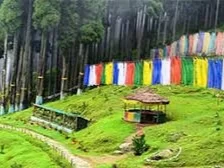
Lepcha Jagat is perfect for travelers who want to disconnect from crowded hill stations and experience nature in its purest form. Surrounded by dense forests and minimal development, it offers a refreshing escape focused on peace, fresh air, and slow travel.
The atmosphere in Lepcha Jagat is calm and immersive, with the sounds of birds, rustling leaves, and cool mountain breezes defining the experience. Early mornings are especially serene, often accompanied by mist drifting through the forest and clear views on pleasant days.
What makes Lepcha Jagat special is its eco-tourism focus and untouched surroundings. The village serves as a gateway to guided forest walks and nature trails, allowing visitors to explore Himalayan flora and fauna responsibly. Its simplicity, isolation, and close connection to nature make it an ideal retreat for nature lovers, bird watchers, and those seeking mindful travel.
Lepcha Jagat was traditionally a small forest settlement inhabited by the Lepcha community, one of the oldest indigenous groups of the eastern Himalayas. The area remained largely isolated for decades, with livelihoods centered around forest resources and small-scale agriculture.
In the late 20th and early 21st century, Lepcha Jagat gradually emerged as an eco-tourism destination due to its rich biodiversity and proximity to protected forest areas near Darjeeling. Rather than large-scale development, the village adopted a low-impact tourism model based on homestays and guided nature walks.
Today, Lepcha Jagat is known for preserving its natural forest environment and traditional way of life. Its evolution reflects a shift from a quiet forest hamlet to a responsible tourism retreat, while maintaining harmony with the surrounding Himalayan ecosystem.
The best time to visit Lepcha Jagat is from March to May and September to November, when the weather is pleasant and the forest surroundings are at their best. These seasons offer comfortable temperatures for walking trails, birdwatching, and enjoying the natural scenery.
Early mornings and late afternoons are ideal for exploring Lepcha Jagat, as wildlife activity is higher and the forest atmosphere feels most peaceful. Clear mornings may also reward visitors with distant Himalayan views from open stretches along forest paths.
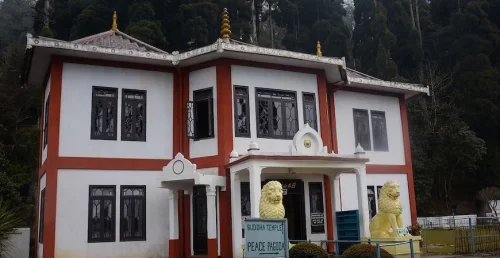 Temple
The Japanese Buddhist Temple is a Buddhist place of worship established by the Nipponzan Myohoji order in Darjeeling.
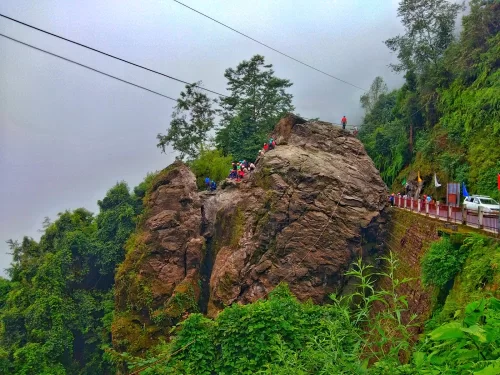 Tourist Attraction
Gombu Rock is a natural rock climbing site located near the Himalayan Mountaineering Institute in Darjeeling.
 Tourist Attraction
Tenzing Rock and the Himalayan Mountaineering Institute are two prominent adventure and mountaineering landmarks in Darjeeling.
Plan your West Bengal trip with customized itineraries, local insights, and expert support designed for a smooth and enriching travel experience
⚡ Quick Response | 💰 Free consultation | 🕒 24×7 expert support