Quick Facts About Himalayan Mountaineering Institute
| Entry Fee | 20 |
| Timings | 10:00 - 16:00 |
| Altitude (m) | 2100 |
| Ideal Visit Duration (hrs) | 1.5 |
| Best Time of Day | Morning |
| Crowd Level | Moderate |
| Distance from Darjeeling (km) | 2 |
| Walking Difficulty | Moderate |
| Parking Available | No |
| Last Mile Access | Walk |
| Suitable for Kids | Yes |
| Suitable for Seniors | Yes |
| Wheelchair Friendly | No |
Why Visit Himalayan Mountaineering Institute
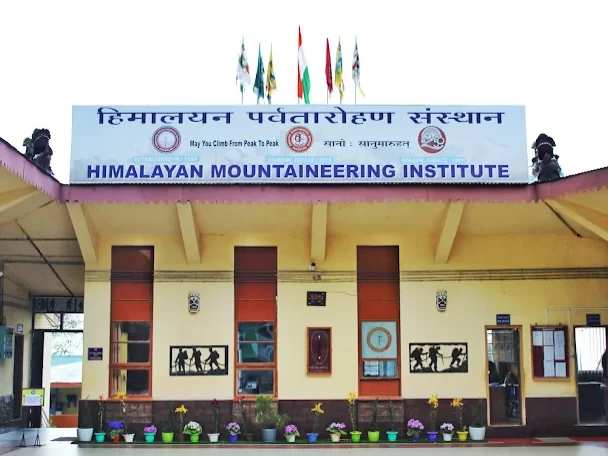
Why Visit: The Himalayan Mountaineering Institute (HMI) is a must-visit for anyone interested in mountaineering, adventure sports, and the history of Himalayan exploration. It offers visitors a deep insight into the skills, discipline, and courage required for high-altitude climbing, making it both educational and inspiring.
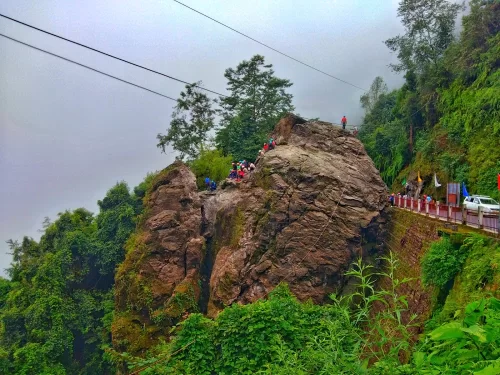
Atmosphere: Set against the scenic backdrop of Jawahar Parbat, the institute has a calm and purposeful atmosphere. The surroundings are peaceful, with views of forested slopes and nearby mountain terrain, creating an environment that reflects the spirit of adventure and training.
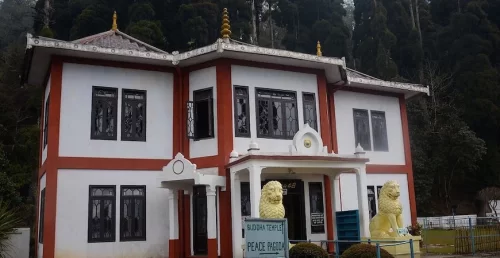
What Makes it Special: HMI is internationally respected for training generations of mountaineers and for its association with legendary climbers such as Tenzing Norgay. The Everest Museum within the campus showcases historic expeditions, original climbing equipment, and photographs, making the institute a unique blend of training center and heritage attraction in Darjeeling.
History of Himalayan Mountaineering Institute
The Himalayan Mountaineering Institute was established in 1954, following India’s first successful ascent of Mount Everest in 1953. The institute was founded with the vision of promoting mountaineering, adventure training, and safe climbing practices in the Himalayan region. Its creation marked a significant milestone in India’s mountaineering history.
The institute was set up under the leadership of Tenzing Norgay, one of the first climbers to summit Mount Everest, who later became HMI’s first Director of Field Training. His experience and guidance shaped the institute’s training philosophy and international reputation.
Over the years, HMI has trained thousands of mountaineers, defense personnel, and adventure enthusiasts from India and abroad. The institute also established the Everest Museum on its campus to preserve records of historic Himalayan expeditions, mountaineering equipment, and the legacy of legendary climbers. Today, HMI stands as one of the world’s most respected mountaineering institutions and a key landmark in Darjeeling.
Best Time to Visit Himalayan Mountaineering Institute
The best time to visit the Himalayan Mountaineering Institute is during the pleasant weather months when Darjeeling experiences clear skies and comfortable temperatures. These conditions make it ideal to explore the Everest Museum, training areas, and surrounding landscapes without weather-related discomfort.
- March to May: Spring is one of the best seasons, offering mild temperatures, blooming surroundings, and excellent conditions for sightseeing and photography.
- October to November: Post-monsoon months provide clear weather and fresh mountain air, enhancing the overall visitor experience.
- Morning to Midday: Visiting between late morning and early afternoon ensures better lighting inside the museum and a relaxed pace of exploration.
- Winter Months (December to February): Cold but manageable; fewer tourists make it suitable for a quieter visit, though warm clothing is necessary.
- Monsoon Season (June to September): Frequent rainfall may affect travel and visibility; visits during this period are less recommended.
How to Reach Himalayan Mountaineering Institute
- By Air: The nearest airport is Bagdogra Airport (IXB), located approximately 90 km from Darjeeling. From the airport, private taxis and shared cabs are available for Darjeeling, with a travel time of around 3 to 4 hours depending on traffic and weather conditions.
- By Train: New Jalpaiguri (NJP) is the nearest major railway station, about 88 km from Darjeeling. Taxis and shared jeeps operate frequently from NJP to Darjeeling, offering a scenic journey through tea gardens and mountain terrain.
- By Road: Darjeeling is well-connected by road to Siliguri, Kalimpong, and nearby towns. State-run buses, private buses, and shared taxis are available. From Darjeeling town, the institute can be reached easily by local taxi.
- From Darjeeling Town: The Himalayan Mountaineering Institute is located at Jawahar Parbat, approximately 2 km from Darjeeling Mall (Chowrasta). Visitors can reach the institute by taxi or a short uphill walk from nearby drop-off points.
- Travel Tips: Morning visits are recommended to avoid traffic congestion. Wearing comfortable footwear is advised, as the approach includes gentle slopes and short walking stretches.
What to Expect When You Visit Himalayan Mountaineering Institute
- Mountaineering Training Insights: Visitors can expect to learn about professional mountaineering techniques, high-altitude survival skills, and adventure training practices through demonstrations and displays.
- Everest Museum Exhibits: The institute houses the Everest Museum, showcasing historic climbing gear, photographs, and records of legendary expeditions, including Tenzing Norgay’s ascent of Mount Everest.
- Scenic Surroundings: The institute is set amidst the serene slopes of Jawahar Parbat, offering panoramic views of the surrounding hills and lush forests, enhancing the overall experience.
- Educational Experience: Informative boards, trained instructors, and guided sessions provide an educational and inspiring experience for students, adventure enthusiasts, and families.
- Moderate Walking: Walking through the museum and around the training areas involves gentle slopes and paved pathways, making the visit accessible to most visitors with light physical effort.
- Peaceful and Purposeful Atmosphere: The environment reflects the spirit of mountaineering and discipline, making it ideal for reflection, photography, and learning about Himalayan adventures.
Important Visitor Information
- Crowd & Weather Notes: HMI experiences moderate crowds, particularly during peak tourist seasons from March to May and October to November. The weather is generally cool year-round due to the high-altitude location, with colder mornings and evenings. Monsoon months (June to September) may bring slippery pathways and reduced visibility.
- Peak / Quiet Hours: Peak hours are late morning to early afternoon when most tourists and school groups visit. Early morning or just before closing are quieter times, offering a more relaxed experience and better photo opportunities.
- Dress Code: No formal dress code is required. Visitors should wear comfortable walking shoes and layered clothing, as temperatures can vary during the day. Jackets or sweaters are recommended even in warmer months due to the high-altitude climate.
- Safety Notes: Stay on marked pathways and avoid climbing on railings or exhibit areas. Supervise children, especially near outdoor slopes. Walking is generally easy, but caution is advised during wet conditions. Photography is allowed, but flash use should be avoided in some museum areas.
Photography and Viewpoint at Himalayan Mountaineering Institute
- Everest Museum Photography: Visitors can capture historical climbing artifacts, photographs, and displays of famous Himalayan expeditions. Soft indoor lighting allows for detailed close-up shots without disturbing the exhibits.
- Scenic Outdoor Views: The institute is located on Jawahar Parbat, offering panoramic views of Darjeeling town, tea gardens, and surrounding mountains. Early morning or late afternoon provides the best natural lighting for landscape photography.
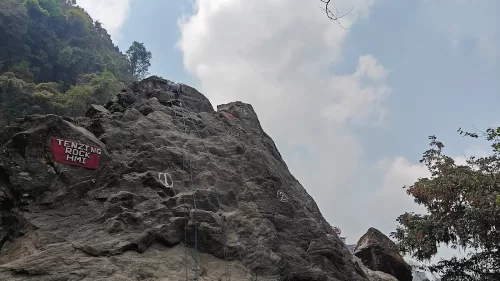
- Mountaineering Demonstration Areas: Training grounds and practice slopes can be photographed, showing real-life mountaineering activities and equipment, providing dynamic photo opportunities.
- Tips for Photography: Wide-angle lenses are ideal for capturing scenic vistas, while telephoto lenses are useful for museum exhibits. Tripods may be restricted inside the museum, so handheld or monopod setups are recommended.
- Seasonal Considerations: Spring and post-monsoon months provide clear skies and vibrant surroundings, enhancing both wildlife and landscape photography. Winter offers crisp air and sharp visibility for panoramic shots.
- Atmosphere: The serene and purposeful environment allows for thoughtful compositions, capturing the essence of mountaineering heritage along with natural Himalayan beauty.