Quick Facts About Shree Daksheshwar Mahadev Temple
| Entry Fee | Free |
| Timings | 06:00 - 20:00 |
| Altitude (m) | 314 |
| Ideal Visit Duration (hrs) | 1 |
| Best Time of Day | Morning |
| Crowd Level | High |
| Distance from City Centre (km) | 4 |
| Walking Difficulty | Easy |
| Parking Available | Yes |
| Last Mile Access | Walk |
| Suitable for Kids | Yes |
| Suitable for Seniors | Yes |
| Wheelchair Friendly | No |
Why Visit Shree Daksheshwar Mahadev Temple
Daksha Mahadev Temple is a must-visit for devotees and history enthusiasts seeking a blend of spiritual energy and mythological heritage. This ancient temple offers a serene riverside setting, making it a peaceful retreat amidst the bustling city of Haridwar.
The atmosphere at the temple is sacred and contemplative, filled with the sound of bells, chanting, and the gentle flow of the Ganges nearby. Devotees perform rituals, offer prayers, and engage in meditation, creating a spiritually immersive experience for all visitors.
What makes Daksha Mahadev Temple special is its deep mythological connection to King Daksha and the story of Sati, which is central to Hindu religious tradition. The temple’s location on the riverbank enhances its charm, offering panoramic views and a tranquil environment. Its combination of historical significance, devotional practices, and scenic beauty makes it a unique and memorable spiritual destination in Haridwar.
Religious Significance Shree Daksheshwar Mahadev Temple
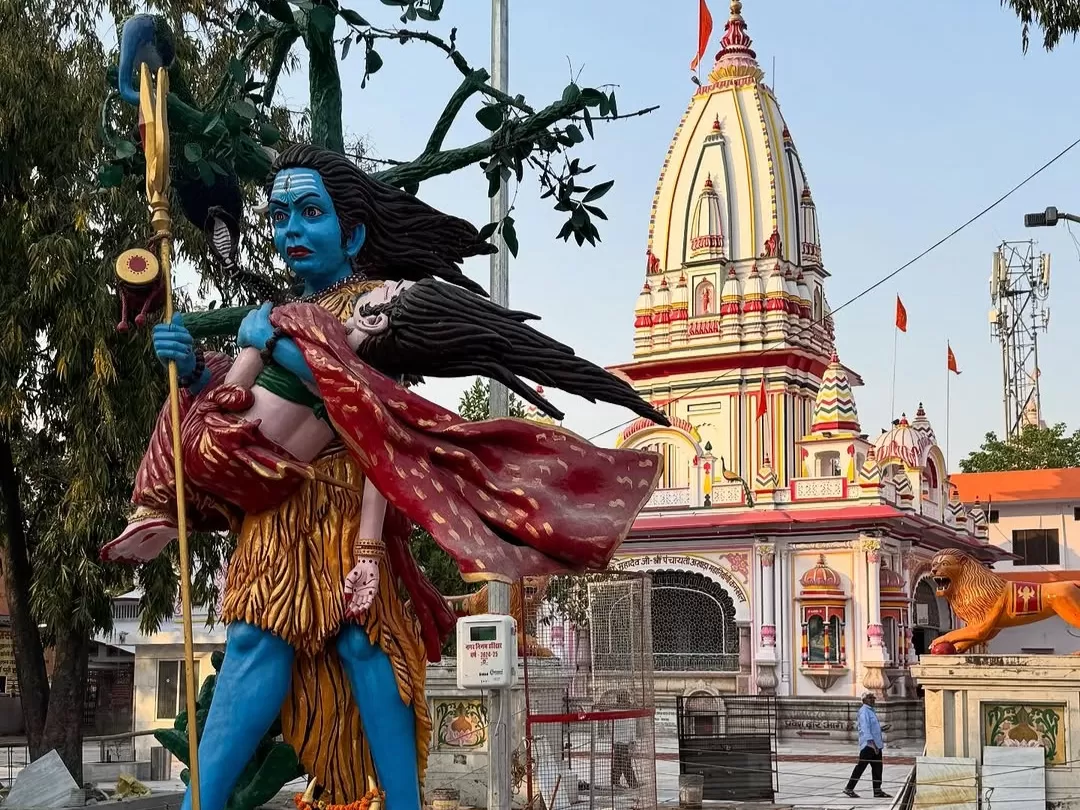
Daksha Mahadev Temple is closely tied to the ancient Hindu legend of King Daksha, his yajna (sacrificial ritual), and the self-immolation of his daughter Sati. According to mythology, Sati’s act of devotion and sacrifice marked the site as sacred, and it became an important center of worship for Lord Shiva devotees.
The temple has been a revered pilgrimage site for centuries, attracting devotees who come to honor Lord Shiva and seek blessings. It plays a key role during festivals like Maha Shivaratri, when thousands gather to perform rituals, participate in ceremonial offerings, and experience the spiritual energy of the site.
The riverside location on the banks of the Ganges adds to the temple’s spiritual ambiance, making it not just a religious landmark but also a place for reflection, meditation, and connecting with the rich mythological heritage of Haridwar.
Best Time to Visit Shree Daksheshwar Mahadev Temple
The ideal time to visit Daksha Mahadev Temple is from September to March when the weather in Haridwar is pleasant and comfortable for sightseeing and temple visits. Early mornings are especially recommended for a peaceful experience and serene darshan.
Avoid peak summer months (April–June) due to high temperatures, and plan carefully during festivals such as Maha Shivaratri, when the temple experiences heavy crowds.
- September to November: Post-monsoon period with fresh greenery and moderate temperatures, perfect for visiting and photography.
- December to February: Cooler months with a calm atmosphere; ideal for meditation and enjoying the riverside surroundings.
- March: Early spring brings mild weather and pleasant conditions for temple visits and sightseeing.
- April to June: Hot summer; early morning visits are preferable to avoid heat.
- Festival Periods: Maha Shivaratri attracts large crowds; plan accordingly for darshan and to experience the vibrant celebrations.
How to Reach Shree Daksheshwar Mahadev Temple
- By Air: The nearest airport is Jolly Grant Airport in Dehradun, approximately 35 km from Haridwar. From the airport, taxis or cabs can be hired to reach Daksha Mahadev Temple conveniently.
- By Train: Haridwar Railway Station is about 4 km from the temple. Auto-rickshaws, cycle rickshaws, and taxis are readily available for the short ride to the temple entrance.
- By Road: Haridwar is well connected by national highways and state roads. Private cars, taxis, and buses can reach the temple area directly, with parking available nearby.
- Walking Access: For visitors staying in central Haridwar, the temple is accessible on foot via short walks along safe and scenic paths.
- Tips: During festivals like Maha Shivaratri, it is advisable to use public transport or arrive early to avoid congestion and parking difficulties.
What to Expect When You Visit Shree Daksheshwar Mahadev Temple
- Spiritual Ambience: The temple exudes a sacred and peaceful atmosphere with the sound of bells, devotional chants, and the flowing Ganges enhancing the spiritual experience.
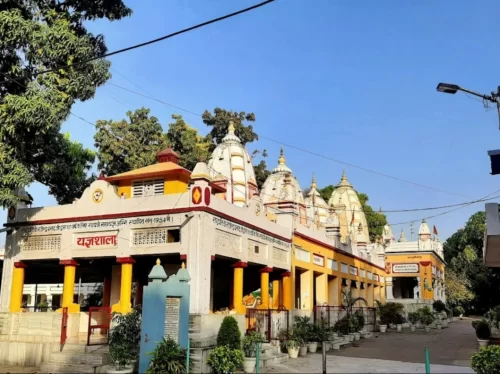
- Historic Architecture: Visitors can admire the temple’s traditional design and explore its inner sanctum, which houses the deity of Lord Shiva connected to the Daksha legend.
- Rituals and Ceremonies: Daily poojas, aarti, and offerings create an immersive experience. Participating in or observing these rituals provides insight into local religious practices.
- Cultural Exposure: The temple is a living center of mythology and devotion, reflecting centuries of Shaivite traditions and the story of Sati and King Daksha.
- Scenic Surroundings: Located near the Ganges, the temple offers serene riverside views and a calm environment for meditation or quiet reflection.
- Moderate Crowds: The temple is moderately crowded on weekdays, with heavier footfall during festivals such as Maha Shivaratri. Early morning visits are recommended for a peaceful experience.
Important Visitor Information Shree Daksheshwar Mahadev Temple
- Crowd & Weather Notes: The temple sees moderate crowds on regular days and heavy crowds during Maha Shivaratri and other festivals. Weather is pleasant from September to March, while summers (April–June) can be hot and humid.
- Peak Hours: 10:00 AM – 2:00 PM and 5:00 PM – 8:00 PM are the busiest periods, especially during festival days.
- Quiet Hours: Early morning (06:00 AM – 08:00 AM) and late evening (08:00 PM – 09:00 PM) provide a peaceful environment for darshan and meditation.
- Dress Code: Modest attire is recommended. Both men and women should cover shoulders and legs. Comfortable footwear is advised due to crowd movement.
- Safety Notes: Exercise caution on wet or uneven surfaces near the riverside. Keep personal belongings secure and supervise children, especially during crowded festival periods.
Photography and Viewpoint Shree Daksheshwar Mahadev Temple
- Temple Architecture: Capture detailed shots of the traditional Shaivite architecture, the inner sanctum, and the stone carvings that reflect the temple's ancient heritage.
- Riverside Views: The temple is situated near the Ganges, providing scenic opportunities to photograph the flowing river, nearby ghats, and the surrounding natural landscape.
- Festivals and Rituals: During Maha Shivaratri and other significant festivals, the temple is adorned with lamps, decorations, and crowds of devotees performing rituals, offering dynamic and colorful photography opportunities.
- Early Morning Shots: Visit at sunrise for soft lighting, fewer crowds, and tranquil surroundings, ideal for capturing serene spiritual scenes.
- Evening Aarti: The evening aarti along the Ganges provides dramatic visuals with fire lamps, chanting, and reflections on the river, perfect for devotional and cultural photography.
- Drone Photography: Drone usage is generally restricted near the temple; check local regulations before attempting aerial shots to ensure safety and compliance.