Quick Facts About Bhuma Niketan
| Entry Fee | Free |
| Timings | 05:00 - 20:00 |
| Altitude (m) | 310 |
| Ideal Visit Duration (hrs) | 1 |
| Best Time of Day | Evening |
| Crowd Level | Moderate |
| Distance from Haridwar (km) | 1 |
| Walking Difficulty | Easy |
| Parking Available | No |
| Last Mile Access | Walk |
| Suitable for Kids | Yes |
| Suitable for Seniors | Yes |
| Wheelchair Friendly | No |
Why Visit Bhuma Niketan, Haridwar
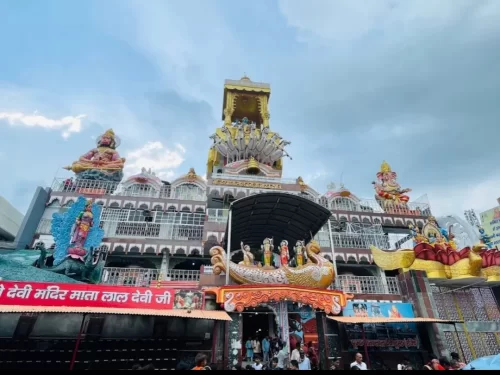
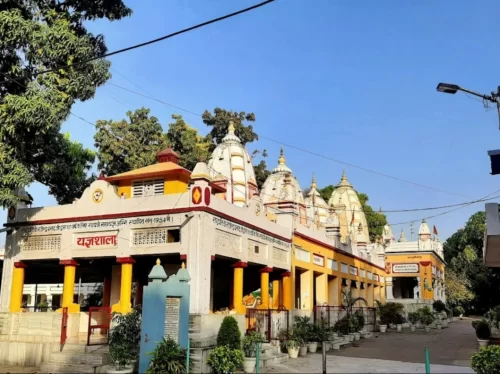
Bhuma Niketan in Haridwar attracts visitors for its large temple complex dedicated to various Hindu deities, located near the Har Ki Pauri area. Pilgrims often include it in their religious circuit, as the temple houses multiple shrines within a single premises.
The atmosphere inside Bhuma Niketan is devotional yet organized, with clearly structured halls displaying numerous idols in arranged sections. Being close to the main ghats, the temple experiences steady footfall, particularly during festival seasons and peak pilgrimage months.
What makes Bhuma Niketan distinct is its multi-deity layout under one roof, allowing visitors to offer prayers at several shrines without moving across different locations. Unlike riverbank ghats focused on ritual bathing, this complex emphasizes temple-based worship within a centralized structure.
History of Bhuma Niketan, Haridwar
Bhuma Niketan is a modern temple and spiritual complex located near Har Ki Pauri in Haridwar, Uttarakhand. The institution was established in the late 20th century under the guidance of Swami Achyutanand Giri Maharaj as a center for devotional worship and religious accommodation for pilgrims visiting Haridwar.
Unlike ancient ghats and medieval temples of Haridwar, Bhuma Niketan represents contemporary temple architecture, featuring multiple floors with numerous shrines dedicated to different Hindu deities. The complex was developed to provide both a structured worship environment and residential facilities for visiting devotees.
Bhuma Niketan continues to function as an active religious and lodging center within Haridwar’s pilgrimage landscape. Its historical significance is rooted in modern spiritual institution-building rather than in early dynastic or archaeological heritage.
Best Time to Visit – Bhuma Niketan Haridwar
Bhuma Niketan in Haridwar, located near Har Ki Pauri and the main pilgrim zone, can be visited year-round, but comfort levels depend largely on seasonal heat and peak pilgrimage crowds.
- Ideal months: October to March offers the most comfortable conditions for temple visits and exploring nearby ghats.
- Weather during the best season: Winter and early spring bring mild daytime temperatures (approximately 8–25°C), clearer skies, and pleasant conditions for walking through the temple complex and surrounding market lanes.
- Periods to avoid (and why): April to June afternoons can become very hot in Haridwar, often exceeding 38°C, making crowded areas uncomfortable. July to September sees monsoon rainfall and higher humidity, which can affect movement near the ghats. Major events such as Kumbh Mela periods or festival days significantly increase footfall and waiting times.
How to Reach Bhuma Niketan Haridwar
- Nearest Airport: Jolly Grant Airport, Dehradun (approximately 35–40 km from Bhuma Niketan). The airport has regular connectivity to Delhi and select Indian cities. Taxis from the airport typically take 1–1.5 hours depending on highway traffic conditions.
- Nearest Railway Station: Haridwar Junction Railway Station (approximately 2–3 km from Bhuma Niketan) is the nearest major railhead with strong connectivity to Delhi and other major Indian cities. Auto-rickshaws and cycle rickshaws are easily available outside the station for short transfers.
- Road Access & Last-Mile Connectivity: Bhuma Niketan is located near Har Ki Pauri in central Haridwar. It is directly accessible by private vehicle, taxi, auto-rickshaw, and local buses operating within the city. Parking near Har Ki Pauri is restricted, and visitors often need to use designated city parking areas and walk through pedestrian lanes to reach the premises. Traffic congestion increases during evening Ganga Aarti, weekends, and major religious festivals.
What to Expect When You Visit Bhuma Niketan Haridwar
- Environment and Surroundings: Bhuma Niketan is located near Har Ki Pauri in Haridwar, Uttarakhand, within the busy pilgrim zone close to the Ganga ghats. The temple complex is set inside a multi-storey structure rather than an open courtyard layout. The surroundings are active throughout the day due to proximity to main ghats, markets, and religious processions. Summers can be hot and crowded, while winters are comparatively cooler and more comfortable.
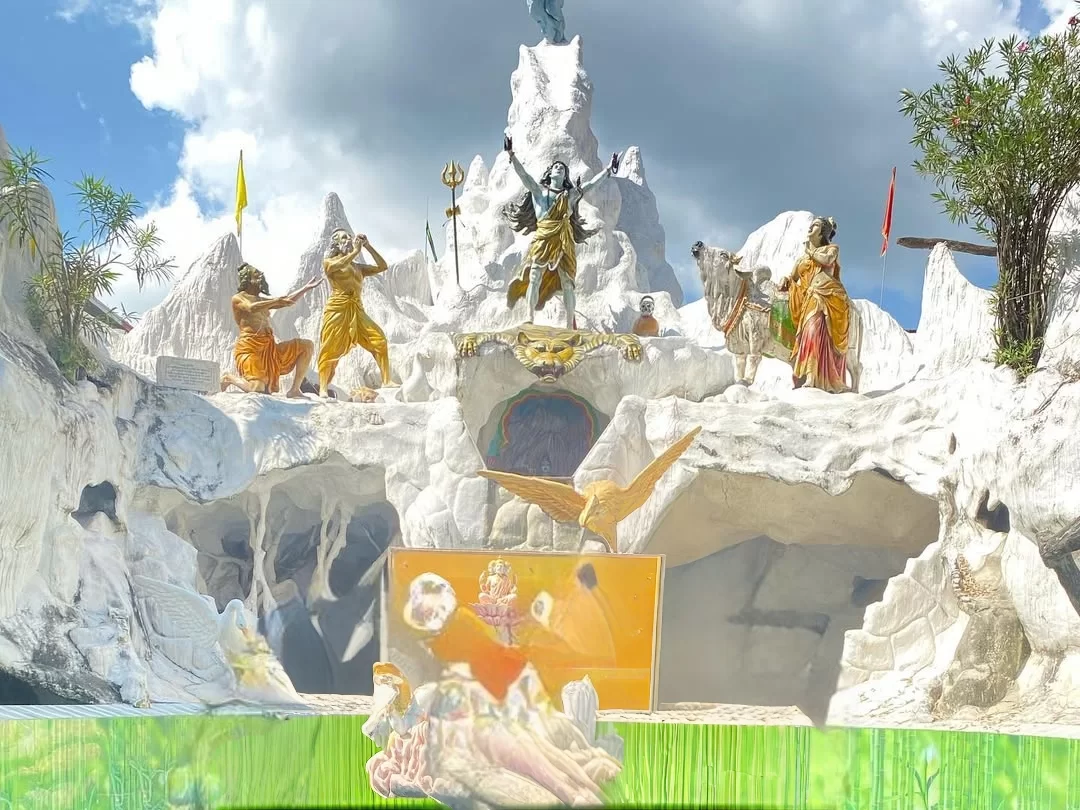
- Facilities and Amenities: The temple houses multiple deity shrines across different floors, each with painted idols and decorative interiors. Basic facilities such as drinking water and simple restroom access may be available within the premises. There are no large dining halls inside, but numerous food outlets and prasad shops operate in the surrounding market area. Seating inside shrine halls is limited, and visitors generally move continuously between floors.
- Accessibility and Movement: Bhuma Niketan is accessible by road, though vehicles cannot reach directly during peak hours due to restrictions near Har Ki Pauri. Visitors usually park in designated city parking areas and walk through narrow market lanes to reach the entrance. Movement inside involves climbing stairs between floors, as elevator access may not be available in all sections. Footwear must be removed before entering the main shrine areas.
- Typical Visitor Behavior and Conditions: The temple attracts pilgrims visiting Har Ki Pauri and nearby ghats. Footfall remains steady year-round, increasing significantly during Kanwar Yatra, Navratri, and major Hindu festivals. Visitors typically spend 20–40 minutes exploring different shrine levels. During peak religious gatherings, entry and exit can become slow due to narrow access lanes and heavy pedestrian movement outside.
Important Visitor Information – Bhuma Niketan Haridwar
- Crowd & Weather Notes: Bhuma Niketan experiences steady visitor flow throughout the year, with higher footfall during major Hindu festivals, Kumbh Mela periods, and peak pilgrimage seasons. Summers (April to June) can be warm during midday hours, while winters (December to February) are cooler and more comfortable. Monsoon (July to September) brings intermittent rainfall and damp surroundings.
- Peak / Quiet Hours: Late mornings between 9:00 AM and 12:00 PM are generally busier, especially on weekends and festival days. Early mornings on weekdays are comparatively quieter for temple visits.
- Dress Code: Modest attire is expected within the temple premises. Footwear must be removed before entering shrine areas. Conservative clothing covering shoulders and knees is advisable.
- Safety Notes: The temple complex includes multiple shrine levels connected by staircases; visitors should move carefully, particularly during crowded periods. Stone flooring may become slippery during monsoon. Located near the Har Ki Pauri area, surrounding lanes can become congested during peak pilgrimage days.
Photography and Viewpoints – Bhuma Niketan, Haridwar
- Best viewpoints/angles: The temple’s brightly painted façade and multi-tiered balconies are best captured from the opposite side of the narrow street to frame the full elevation; slight diagonal angles highlight the layered architecture and sculpted deity panels; close-range compositions inside the main hall focus on the large central idol arrangement where permitted.
- Lighting & time-of-day: Early morning offers softer light on the colorful exterior and fewer shadows from surrounding buildings; late afternoon enhances façade tones but the narrow lane can create contrast-heavy lighting; interiors rely on artificial lighting, affecting color balance.
- Rules/restrictions: Photography inside sanctum areas may be restricted—always confirm with temple authorities; avoid flash during prayers; maintain decorum and avoid obstructing devotees; drone use is generally not permitted in dense urban temple zones.
- Crowd & access factors: Located in the busy Har Ki Pauri area, the temple sees heavy footfall during evenings and festival days, limiting uninterrupted exterior compositions; early mornings provide clearer access; the surrounding lane is narrow, restricting wide-angle framing space.