Quick Facts About Shantikunj Gayatri Parivar
| Entry Fee | Free |
| Timings | 06:00 - 20:00 |
| Altitude (m) | 310 |
| Ideal Visit Duration (hrs) | 2 |
| Best Time of Day | Morning |
| Crowd Level | Moderate |
| Distance from Haridwar (km) | 6 |
| Walking Difficulty | Easy |
| Parking Available | Yes |
| Last Mile Access | Road |
| Suitable for Kids | Yes |
| Suitable for Seniors | Yes |
| Wheelchair Friendly | No |
Why Visit Shantikunj Gayatri Parivar, Haridwar
Shantikunj Gayatri Parivar in Haridwar attracts visitors for its role as the headquarters of the All World Gayatri Parivar and as a center for spiritual training, meditation, and Vedic learning. Devotees and seekers come here to participate in guided sessions, yajnas, and structured spiritual programs rather than for sightseeing alone.
The atmosphere within the Shantikunj campus is disciplined and community-oriented, with organized daily routines, prayer gatherings, and educational activities. The complex is spread across a planned campus near the Ganga canal, maintaining a calm and orderly environment distinct from the crowded ghats of central Haridwar.
What makes Shantikunj distinct is its functioning as a living spiritual institution rather than a standalone temple. Unlike pilgrimage spots focused on brief visits, it emphasizes participation in workshops, moral education, and long-term spiritual engagement, offering travelers a structured retreat-style experience.
History of Shantikunj Gayatri Parivar, Haridwar
Shantikunj is the headquarters of the All World Gayatri Parivar, located in Haridwar, Uttarakhand, along the banks of the Ganga. The institution was established in 1971 by Pandit Shriram Sharma Acharya and Bhagwati Devi Sharma as a spiritual and social reform center dedicated to the propagation of Gayatri Mantra and Vedic principles.
The ashram developed as the organizational base for the Gayatri Parivar movement, which began in the mid-20th century and focused on spiritual awakening, moral education, and social upliftment. Shantikunj became the administrative and training hub for volunteers, scholars, and practitioners associated with the movement’s publications, yajnas, and educational initiatives.
Unlike ancient pilgrimage temples of Haridwar, Shantikunj represents a modern spiritual institution rooted in contemporary Hindu reform movements. Its historical importance lies in its role in shaping one of India’s largest organized spiritual-social movements of the 20th century.
Best Time to Visit – Shantikunj Gayatri Parivar Haridwar
Shantikunj Gayatri Parivar in Haridwar can be visited throughout the year, but comfort depends on seasonal temperatures and the scale of spiritual gatherings, as the ashram hosts regular programs and attracts pilgrims from across India.
- Ideal months: October to March offers the most comfortable climate for attending sessions and exploring the ashram campus.
- Weather during the best season: Winter and early spring bring mild daytime temperatures (approximately 8–25°C), lower humidity, and pleasant conditions for participating in prayer gatherings, meditation sessions, and walking around the landscaped premises near the Ganga.
- Periods to avoid (and why): April to June afternoons can become very hot in Haridwar, often exceeding 38°C, making outdoor movement uncomfortable. July to September sees monsoon rainfall and increased humidity. Large spiritual events and Navratri periods may lead to higher footfall and advance accommodation booking requirements.
How to Reach Shantikunj Gayatri Parivar Haridwar
- Nearest Airport: Jolly Grant Airport, Dehradun (approximately 35–40 km from Shantikunj). The airport has regular connectivity to Delhi and select Indian cities. Taxis from the airport typically take 1–1.5 hours depending on highway traffic conditions.
- Nearest Railway Station: Haridwar Junction Railway Station (approximately 6–7 km from Shantikunj) is the nearest major railhead with strong connectivity to Delhi, Mumbai, Varanasi, and other cities. Auto-rickshaws, taxis, and cycle rickshaws are easily available outside the station.
- Road Access & Last-Mile Connectivity: Shantikunj is located on the Haridwar–Rishikesh road (NH 7), near the banks of the Ganga and close to the Chandi Devi foothills. It is directly accessible by private vehicle, taxi, auto-rickshaw, and local buses operating between Haridwar and Rishikesh. Parking is available within or near the campus premises. Traffic congestion may increase during major religious gatherings, Kumbh Mela periods, and peak pilgrimage seasons.
What to Expect When You Visit Shantikunj Gayatri Parivar Haridwar
- Environment and Surroundings: Shantikunj is located on the Haridwar–Rishikesh road in Uttarakhand, near the banks of the Ganga Canal. It serves as the headquarters of the All World Gayatri Parivar and is set within a structured ashram-style campus. The environment is organized and disciplined, with prayer halls, residential blocks, gardens, and open courtyards. The atmosphere is devotional and community-oriented rather than tourist-focused. Summers (April–June) can be hot, while winters (December–February) are cool and pleasant.
- Facilities and Amenities: The campus includes meditation halls, yagya shalas (ritual fire areas), a literature center, and designated accommodation facilities for registered participants. Simple vegetarian meals are provided to residents and program attendees as per institutional rules. Public toilet facilities are available within the campus. Commercial shops are minimal and mostly limited to spiritual literature and related items. Visitors are expected to follow ashram guidelines regarding dress and conduct.
- Accessibility and Movement: Shantikunj is directly accessible by motorable road and is approximately 6–7 km from Haridwar Railway Station. Parking is available near the entrance. Movement within the campus involves walking across paved pathways between halls and residential sections. Entry into certain areas may be restricted to registered participants. Footwear removal is required in prayer and ritual halls.
- Typical Visitor Behavior and Conditions: The site attracts spiritual seekers, devotees, and participants attending training programs or yajna ceremonies. Footfall remains steady throughout the year, increasing during special spiritual events and large-scale gatherings organized by Gayatri Parivar. Visitors typically spend 1–2 hours if touring the campus, while registered participants may stay for multi-day programs. The environment emphasizes quiet discipline and participation in structured activities rather than casual sightseeing.
Important Visitor Information – Shantikunj Gayatri Parivar Haridwar
- Crowd & Weather Notes: Shantikunj receives steady spiritual visitors throughout the year, with higher footfall during Navratri, Guru Purnima, and major Gayatri Parivar events. Summers (April to June) can be hot in Haridwar, particularly in open courtyards, while winters (December to February) are cool and comfortable. Monsoon (July to September) brings intermittent rainfall but generally does not disrupt daily activities.
- Peak / Quiet Hours: Morning prayer and yajna sessions between 6:00 AM and 10:00 AM are typically the busiest. Late afternoons on weekdays are comparatively quieter for visitors outside major event dates.
- Dress Code: Modest and simple attire is expected within the ashram premises. Visitors participating in rituals are encouraged to wear traditional or conservative clothing. Footwear must be removed before entering prayer halls.
- Safety Notes: The ashram follows structured schedules and discipline; visitors should adhere to guidelines and maintain silence in meditation areas. Large gatherings during special events can increase crowd density. Parking is available within the campus, though entry may be regulated during peak programs.
Photography and Viewpoints – Shantikunj Gayatri Parivar Haridwar
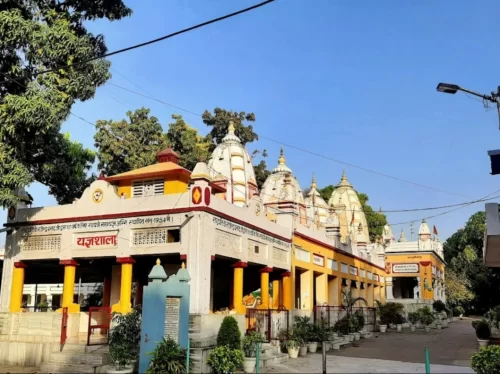
- Best viewpoints/angles: The main entrance gateway and central courtyard provide the strongest symmetrical compositions, especially when framed along the primary walkway axis; the Yagya Shala (ritual fire hall) exterior can be photographed from the courtyard to capture architectural details; landscaped garden sections within the campus offer contextual frames with temple structures in the background.
- Lighting & time-of-day: Early morning provides softer light across the white and cream-colored structures and fewer shadows in the courtyard; late afternoon enhances façade textures with warmer tones; indoor prayer and discourse halls rely on controlled lighting, which may limit clarity for interior shots.
- Rules/restrictions: Photography inside meditation halls, prayer areas, and during ongoing rituals may be restricted—always confirm with on-site authorities; avoid flash during spiritual activities; drone usage may require prior permission due to institutional and local regulations.
- Crowd & access factors: The campus experiences higher footfall during large spiritual gatherings and festival periods, limiting uninterrupted courtyard compositions; early weekday mornings offer quieter access; security checks at entry may regulate equipment movement within the premises.