Rudraprayag – Sacred River Confluence Town in the Himalayas

Rudraprayag , Srinagar UK
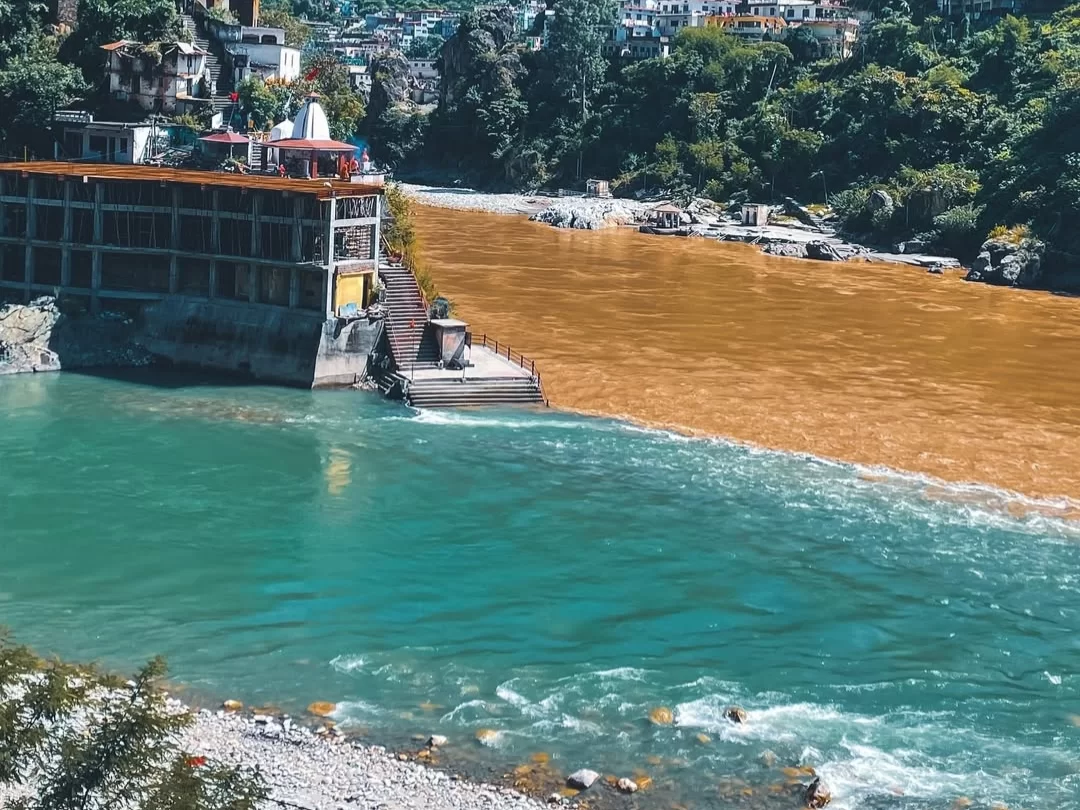
Tourists visit Rudraprayag mainly to witness the meeting point of two rivers and as a key stop on the route to Kedarnath. It is also one of the Panch Prayag and is surrounded by steep Himalayan valleys and river landscapes.

Quick Facts About Rudraprayag

Rudraprayag, Uttarakhand Quick Facts

Entry Fee No entry fee for visiting the town and river confluence area
Timings Open throughout the day; nearby temples follow specific opening and closing hours
Altitude (m) Approximately 895 m above sea level
Ideal Visit Duration 1–2 hours for confluence viewpoint; longer if visiting temples and nearby sites
Best Time of Day Early morning or late afternoon for clear views and better lighting
Crowd Level Low to moderate; increases during pilgrimage seasons and festivals
Distance from City Centre (km) 0 km (central town location)
Walking Difficulty Easy to moderate; some uneven paths near river confluence areas
Parking Available Yes, limited parking spaces available along roadsides and nearby open areas
Last Mile Access Direct road access; short walking distance required to reach river confluence viewpoints
Suitable for Kids Yes, with supervision near riverbanks
Suitable for Seniors Yes, generally accessible with caution on uneven surfaces
Wheelchair Friendly Partially accessible; main town areas are navigable but riverfront access is limited

Why Visit Rudraprayag, Uttarakhand

Travelers visit Rudraprayag primarily to witness the meeting point of the Alaknanda and Mandakini rivers, a significant confluence on the route toward the Kedarnath pilgrimage. It also serves as a key halt for journeys along the Char Dham circuit, making it a practical and spiritual stop in the Garhwal Himalayas.

On the ground, Rudraprayag feels like a compact Himalayan town shaped by river valleys, bridges, and steady pilgrim movement. Local markets, roadside dhabas, and riverside viewpoints create a functional yet scenic atmosphere set against steep surrounding hills.

Rudraprayag stands out as one of the Panch Prayag confluences, where two distinct Himalayan rivers merge in a clearly visible natural setting. Its position as a gateway toward Kedarnath Valley and its defined river confluence geography make it distinct from typical hill towns in Uttarakhand.

History of Rudraprayag, Uttarakhand

Rudraprayag is one of the five sacred confluences of the Panch Prayag, located at the meeting point of the Alaknanda and Mandakini rivers. This geographical junction has long held importance as a natural and spiritual landmark in the Garhwal Himalayas.

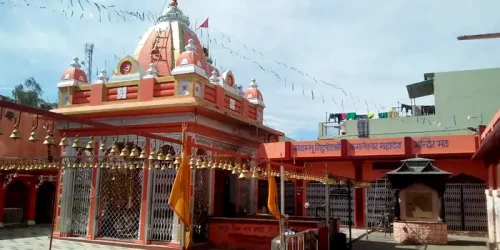
The town derives its name from Lord Shiva, worshipped here in his Rudra form. Local tradition is associated with mythological narratives linking this confluence to divine appearances and penance, which have shaped its religious identity over centuries.

Rudraprayag has historically served as a key transit point for pilgrims traveling toward Kedarnath. Its location along traditional Himalayan pilgrimage routes has contributed to its longstanding role in regional religious movement and settlement.

Best Time to Visit Rudraprayag, Uttarakhand

Rudraprayag is best visited during the pre-monsoon and post-monsoon windows when travel routes remain stable and the confluence views of the Alaknanda and Mandakini rivers are clearly visible, making it ideal for pilgrimage stopovers and Himalayan road journeys.
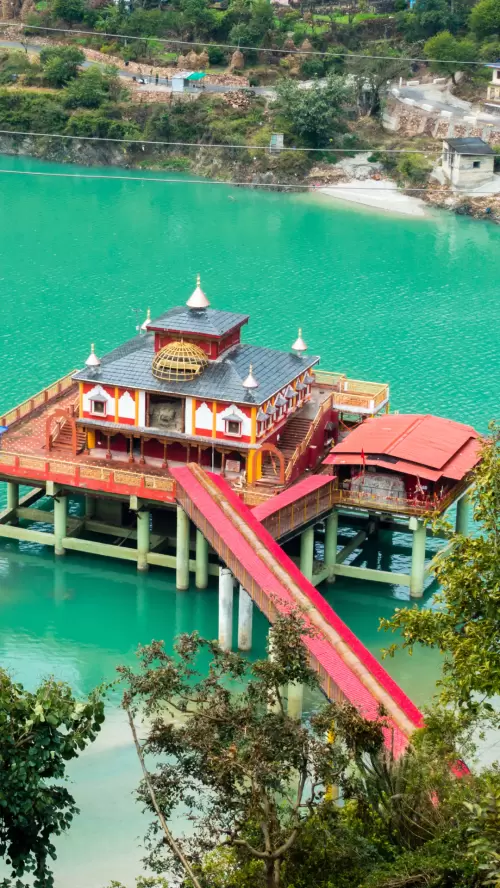
  • Ideal Months: April to June and September to November are the most reliable periods for smooth travel and clear mountain-river confluence views.
  • Weather Conditions: These months generally offer moderate daytime temperatures, crisp mornings, and good visibility, making road travel toward Kedarnath route and nearby Himalayan destinations more comfortable.
  • Periods to Avoid: July to August should be avoided due to heavy monsoon rainfall, which can trigger landslides, roadblocks, and unstable travel conditions in the region.

How to Reach Rudraprayag, Uttarakhand

  • By Air: The nearest airport is Jolly Grant Airport in Dehradun, located around 160–180 km from Rudraprayag. It offers regular connectivity to major Indian cities. From the airport, taxis and private cabs are available for the hilly road journey to Rudraprayag.
  • By Train: The nearest major railway stations are Rishikesh (around 140 km) and Haridwar (around 160–180 km). Both stations are well connected with cities across India. From here, travelers can continue the journey by road via buses, shared jeeps, or taxis.
  • By Road: Rudraprayag is located on National Highway 7, along the main route to Badrinath. It is well connected with Rishikesh, Srinagar (Garhwal), Karnaprayag, and Joshimath through regular bus and taxi services. The journey involves mountain roads with sharp bends, and travel time may increase during monsoon due to landslides or road maintenance. Last-mile connectivity within the region is mainly through local taxis and shared jeeps.

What to Expect When You Visit Rudraprayag, Uttarakhand

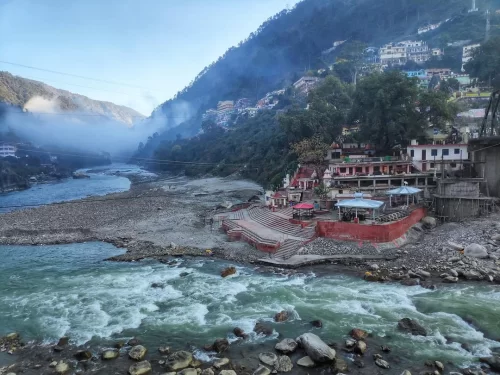
  • is a small Himalayan town located at the sacred confluence of the Alaknanda and Mandakini rivers, surrounded by steep valleys, forested slopes, and fast-flowing riverbanks typical of the Garhwal region.
  • The environment is predominantly mountainous with narrow terraced settlements, river viewpoints, and temple clusters. Weather conditions can change quickly, especially during monsoon and winter months when mist, rain, or cold temperatures are common.
  • Basic travel facilities are available including small hotels, dhabas, guesthouses, local shops, fuel stations, and limited medical support. However, options are functional rather than modern, and luxury infrastructure is minimal.
  • Movement within the town is constrained by narrow roads, limited parking spaces, and pedestrian-heavy market zones. Walking short distances on inclines or uneven paths is common for accessing river viewpoints and religious sites.
  • The town serves as a key transit point for pilgrims traveling toward higher Himalayan destinations, so seasonal crowding is common, especially during Char Dham Yatra periods when traffic congestion and accommodation shortages may occur.
  • Road connectivity depends on a single major highway route, which can be affected by landslides, road repairs, or weather disruptions, occasionally causing delays in travel schedules.
  • The overall visitor experience is quiet and locally oriented, with activity centered around religious tourism, river confluence viewing, and short stopovers rather than long recreational stays.

Important Visitor Information for Rudraprayag, Uttarakhand

  • Rudraprayag sees heavy visitor movement during the Char Dham Yatra season (May–June and September–October), with significantly quieter conditions in winter months when pilgrim flow reduces.
  • Early mornings are typically the most peaceful time to experience the confluence of the Alaknanda and Mandakini rivers, while daytime hours become busier due to transit traffic toward Kedarnath route.
  • Monsoon season (July–August) brings intense rainfall, increased river flow, and a higher risk of landslides on surrounding mountain roads, often affecting travel schedules.
  • Modest clothing is recommended when visiting temples and religious sites in and around Rudraprayag, with attire that respectfully covers shoulders and knees.
  • Exercise extreme caution near river confluence points, as strong currents and slippery rocks can make the banks unsafe, especially during monsoon and post-rainfall periods.
  • Roads approaching Rudraprayag include sharp bends and narrow mountain stretches; night travel and driving during heavy rain or fog should be avoided whenever possible.

Photography and Viewpoints at Rudraprayag, Uttarakhand

  • The most significant photography spot in Rudraprayag is the Sangam point where the Alaknanda and Mandakini rivers meet, best captured from the main road bridge and nearby riverfront ghats that provide clear top-down and diagonal confluence angles.
  • The bridge over the confluence offers a wide framing of the merging rivers with the town backdrop, while early morning light enhances river texture and reduces haze caused by valley humidity.
  • Late afternoon and sunset hours provide balanced lighting on the surrounding Himalayan ridges, with warm reflections often visible on the river surface during clear-weather days.
  • During monsoon season, river flow becomes strong and visibly turbid, limiting underwater clarity but offering dramatic motion capture opportunities from safe elevated viewpoints only.
  • Photography inside nearby temples such as Koteshwar Mahadev may have restrictions, including limited or no flash use, depending on local temple management guidelines.
  • High pilgrim movement during Char Dham Yatra season affects access and composition at key viewpoints, especially around bridges and roadside pull-offs, requiring patience for unobstructed framing.
  • Narrow highway sections along NH-107 and NH-7 approach routes provide intermittent roadside viewpoints of the valley, but stopping locations are limited and must be used carefully due to traffic flow.

Near By Attraction

 Tourist Attraction

Karnaprayag

Karnaprayag is a town in Uttarakhand known as one of the five sacred confluences (Panch Prayag) of the Alaknanda and Pindar rivers.

Frequently Asked Questions About Rudraprayag

Loved this place ? Let’s Plan Your Uttarakhand Trip

Get customized Uttarakhand tour planning designed around seasonal weather changes, hill road travel timing, pilgrimage flow, and comfort-based pacing. Whether you are visiting for spiritual journeys, Himalayan views, wildlife reserves, river valleys, or p

⚡ Quick Response | 💰 Free consultation | 🕒 24×7 expert support

×

Plan Your Trip