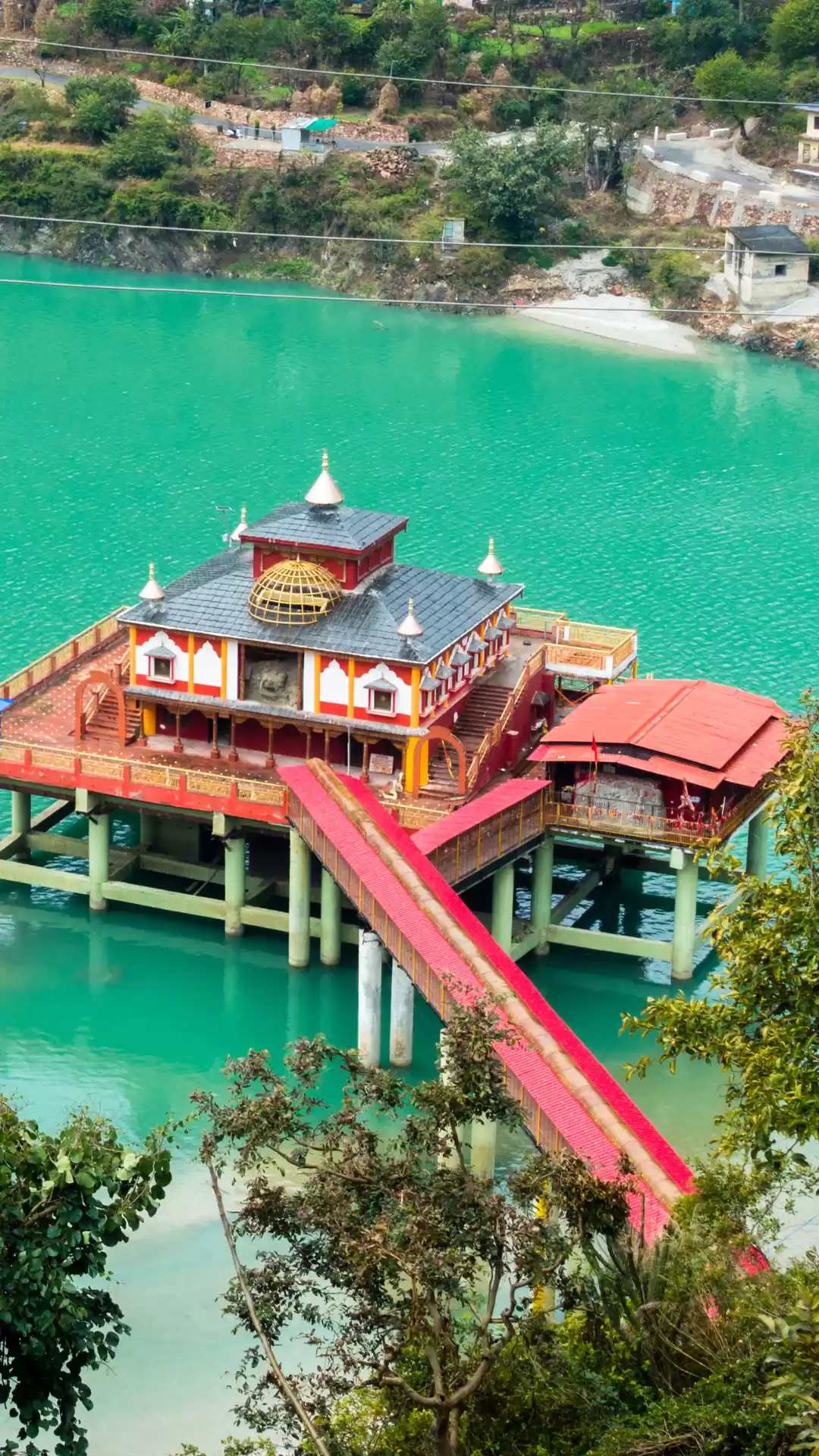
Dhari Devi Temple – Revered Shakti Shrine on the Alaknanda River

Dhari Devi Temple , Srinagar UK
Tourists visit Dhari Devi Temple for its religious significance and its location along a prominent pilgrimage route in the Garhwal Himalayas. The temple is known for housing an idol of the goddess and stands on a raised platform above the river, offering views of the surrounding valley.

Quick Facts About Dhari Devi Temple

Dhari Devi Temple, Uttarakhand Quick Facts

Entry Fee No entry fee
Timings Generally open daily from early morning until evening; temple timings may vary on festivals and special religious occasions
Altitude (m) Approximately 640 m above sea level
Ideal Visit Duration 1–2 hours
Best Time of Day Morning for temple rituals and relatively lighter crowds
Crowd Level Moderate; high during Navratri, weekends, and Char Dham pilgrimage season
Distance from City Centre (km) Approximately 15 km from Srinagar (Garhwal) town centre
Walking Difficulty Easy to moderate; includes stair access to the temple
Parking Available Yes, designated parking area available near the temple complex
Last Mile Access Accessible by road followed by a pedestrian bridge and stairway to the temple
Suitable for Kids Yes
Suitable for Seniors Yes, though stair climbing may require assistance for some visitors
Wheelchair Friendly No; stair-based access limits wheelchair accessibility

Why Visit Dhari Devi Temple, Uttarakhand

Visitors come to Dhari Devi Temple to pay respects to the revered goddess worshipped as a protector of the region. Located along the Alaknanda River between Srinagar and Rudraprayag, the temple is a frequent stop for pilgrims and travelers moving through the Garhwal Himalayas.

The atmosphere combines active religious worship with a dramatic riverside setting. Visitors experience temple rituals, views of the flowing Alaknanda, and a steady presence of devotees throughout the day, especially during pilgrimage seasons.

What makes Dhari Devi Temple distinct is its location on an elevated structure above the river and its strong connection to local spiritual traditions. The combination of a significant pilgrimage site and a visible Himalayan river landscape creates an experience that differs from many other temples in Uttarakhand.

History of Dhari Devi Temple, Uttarakhand

Dhari Devi Temple is a revered Hindu shrine situated on the banks of the Alaknanda River in Uttarakhand. The temple is dedicated to Goddess Dhari Devi, who is regarded as a guardian deity of the Garhwal region and holds a prominent place in local religious traditions.

According to longstanding regional beliefs, the idol enshrined at the temple was discovered in the Alaknanda River and was subsequently established at its present location. The shrine has remained an important center of worship for generations and attracts devotees from across Uttarakhand and beyond.

Dhari Devi Temple is closely associated with the spiritual heritage of Garhwal and is considered one of the significant Shakti worship sites in the region. Its riverside setting and enduring religious importance continue to make it a notable pilgrimage destination.

Best Time to Visit Dhari Devi Temple, Uttarakhand

Dhari Devi Temple is best visited from October to April, when travel conditions along the Badrinath Highway are generally more reliable and visitors can comfortably spend time at the riverside shrine and viewing platforms.
  • Ideal Months: October to April offers the most favorable combination of accessibility, clear views of the Alaknanda River, and comfortable conditions for temple visits.
  • Weather Conditions: Post-monsoon and winter months typically provide clearer skies, pleasant daytime temperatures, and better visibility of the surrounding river valley and hills.
  • Periods to Avoid: July to September can bring intense monsoon rainfall, resulting in slippery conditions, higher river levels, and occasional highway disruptions due to landslides in the region.

How to Reach Dhari Devi Temple, Uttarakhand

  • By Air: The nearest airport is Jolly Grant Airport, Dehradun, located approximately 145 km from Dhari Devi Temple. The airport has regular domestic flight connections, and taxis are available for the onward journey through Srinagar Garhwal to the temple.
  • By Train: Rishikesh Railway Station, about 125 km away, is the nearest railhead. Haridwar Junction, around 150 km away, provides wider connectivity with major Indian cities. Travelers can continue from either station by bus, shared taxi, or private cab.
  • By Road: Dhari Devi Temple is situated on National Highway 7 between Srinagar and Rudraprayag, near Kalyasaur. Regular buses and taxis operate on this route from Rishikesh, Srinagar Garhwal, and Rudraprayag. Visitors must use a pedestrian bridge and a short walk to reach the temple complex from the roadside access point. During the monsoon season, weather conditions and increased traffic on the Char Dham route may affect travel times.

What to Expect When You Visit Dhari Devi Temple, Uttarakhand

  • Dhari Devi Temple is situated on the banks of the Alaknanda River between Srinagar and Rudraprayag, offering a setting dominated by steep Himalayan hills, rocky riverbanks, and fast-flowing mountain waters.
  • The temple is located on an elevated platform above the river and is accessed via a pedestrian bridge and stairways. Visitors should be prepared for moderate walking and climbing steps to reach the shrine.
  • Basic facilities such as parking areas, small shops selling offerings, refreshments, and essential visitor services are available near the entrance. However, amenities remain limited compared to major pilgrimage centers.
  • The site attracts a steady flow of pilgrims throughout the year, with significantly larger crowds during Navratri, religious festivals, weekends, and the Char Dham Yatra season. Waiting times for darshan may increase during these periods.
  • Visitors typically spend time offering prayers, viewing the river landscape, and observing local religious practices. The atmosphere is primarily devotional, with temple activities shaping the visitor experience.
  • The surrounding terrain is mountainous and exposed to seasonal weather changes. During the monsoon season, heavy rainfall can affect road conditions and visibility, while river levels may rise substantially.
  • As an active place of worship, visitors are expected to follow temple customs, maintain respectful behavior, and dress appropriately. Photography restrictions may apply in certain areas of the temple complex.

Important Visitor Information for Dhari Devi Temple, Uttarakhand

  • Dhari Devi Temple experiences its highest visitor numbers during Navratri, weekends, and the Char Dham pilgrimage season, while weekday mornings are generally less crowded.
  • Early morning and evening hours are the main worship periods and offer a more pleasant visiting experience, particularly during the summer months when afternoon temperatures can be warmer.
  • Monsoon rains between July and August can significantly increase water levels in the Alaknanda River and may affect conditions around the temple approach and surrounding roads.
  • Visitors are expected to wear modest clothing suitable for a revered Hindu temple, with attire that respectfully covers shoulders and knees.
  • The temple is accessed via a pedestrian approach connected to the shrine area above the river; visitors should use handrails where available and take care on steps, especially during wet weather.
  • During peak pilgrimage periods, vehicle congestion is common on the Badrinath highway near the temple, so additional travel time should be allowed for arrival and departure.

Photography and Viewpoints at Dhari Devi Temple, Uttarakhand

  • The most distinctive photographs of Dhari Devi Temple are captured from the pedestrian approach bridge, which provides elevated views of the temple platform set amid the waters of the Alaknanda River and the surrounding Himalayan landscape.
  • Wide-angle compositions from the bridge showcase the temple, river channel, and steep valley slopes, while closer viewpoints near the entrance highlight the shrine's architecture and religious setting.
  • Morning light offers clearer visibility across the valley and softer illumination on the temple complex, whereas late afternoon creates warmer tones on the surrounding hills and riverbanks.
  • During the monsoon season, higher river levels can dramatically alter the appearance of the Alaknanda around the temple, making elevated viewpoints particularly effective for capturing the site's unique river setting.
  • Photography is generally allowed in the outer temple areas, but visitors should follow instructions regarding photography near the sanctum and avoid disturbing worshippers during religious ceremonies.
  • Festival days, weekends, and Char Dham travel periods bring increased pilgrim traffic, which can make bridge viewpoints and temple approaches crowded during peak hours.
  • The bridge and designated visitor pathways provide the safest and most accessible photography locations, while access beyond restricted areas is not permitted for safety and religious reasons.

Near By Attraction

 Temple

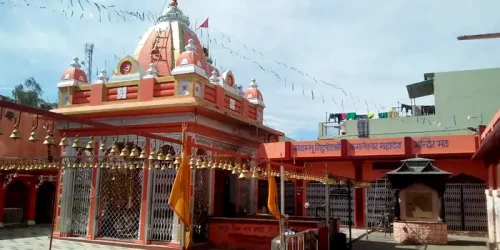
Kamleshwar Mahadev Temple

Kamleshwar Mahadev Temple is an ancient Hindu temple dedicated to Lord Shiva, located in Srinagar Garhwal, Uttarakhand, India.
 River

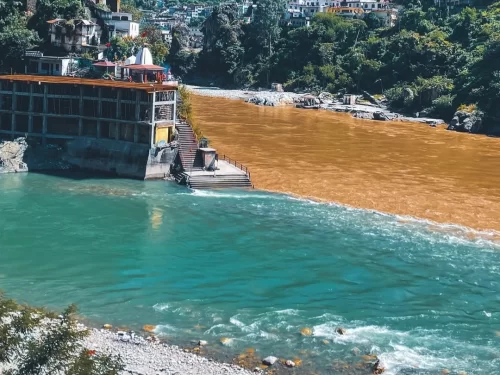
Rudraprayag

Rudraprayag is a town located at the confluence of the Alaknanda and Mandakini rivers in India.
 Tourist Attraction

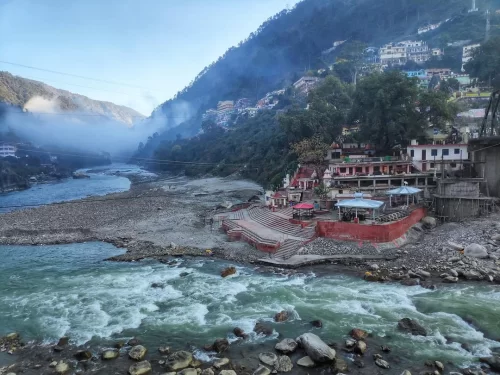
Karnaprayag

Karnaprayag is a town in Uttarakhand known as one of the five sacred confluences (Panch Prayag) of the Alaknanda and Pindar rivers.

Frequently Asked Questions About Dhari Devi Temple

Loved this place ? Let’s Plan Your Uttarakhand Trip

Get customized Uttarakhand tour planning designed around seasonal weather changes, hill road travel timing, pilgrimage flow, and comfort-based pacing. Whether you are visiting for spiritual journeys, Himalayan views, wildlife reserves, river valleys, or p

⚡ Quick Response | 💰 Free consultation | 🕒 24×7 expert support

×

Plan Your Trip