+91 9910402252
admin@chalbanjare.com


| Entry Fee | Varies |
| Timings | 06:00 - 09:00, 15:00 - 18:00 |
| Altitude (m) | 300 |
| Ideal Visit Duration (hrs) | 3 |
| Best Time of Day | Morning |
| Crowd Level | Moderate |
| Distance from City Centre (km) | 10 |
| Walking Difficulty | Easy |
| Parking Available | Yes |
| Last Mile Access | Road |
| Suitable for Kids | Yes |
| Suitable for Seniors | Yes |
| Wheelchair Friendly | No |
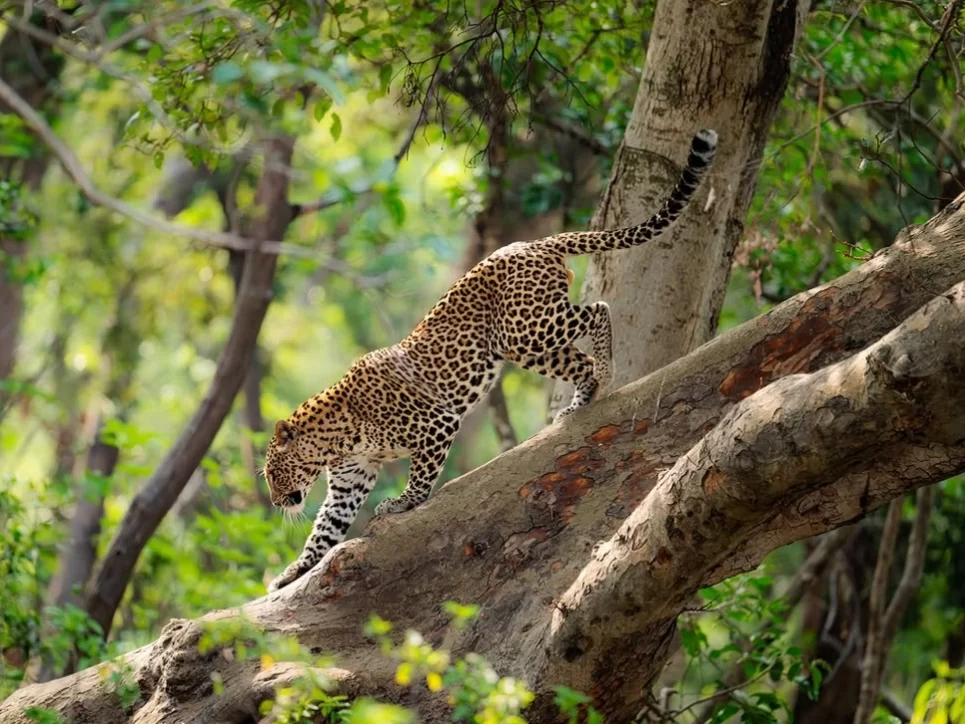
Rajaji National Park is worth visiting if you want to experience a real forest environment close to Haridwar, without curated wildlife encounters. This is not a guaranteed sighting destination, but a place to understand natural habitats, forest movement, and the rhythm of wildlife in open terrain. It appeals most to travelers who value nature observation over entertainment.
The atmosphere inside the park is quiet and raw. Safari routes pass through dense sal forests, riverbeds, and open grass patches, with long stretches of silence broken only by bird calls and vehicle movement. There are no commercial facilities inside the park, which keeps the experience grounded and focused on the forest itself.
Rajaji stands out for its elephant population and its role as a wildlife corridor between the Shivalik forests and the Himalayan foothills. Unlike smaller reserves, it offers a large, continuous forest landscape rather than enclosed zones. The park also supports rich birdlife, especially near water bodies, making it valuable for birdwatchers and slow paced wildlife enthusiasts.
Rajaji National Park was formally established in 1983 by merging three existing wildlife sanctuaries: Rajaji Sanctuary, Motichur Sanctuary, and Chilla Sanctuary. The park was named after C. Rajagopalachari, one of India’s prominent freedom fighters and the last Governor General of India.
The area gained protected status primarily to conserve the Shivalik forest ecosystem and safeguard the region’s large elephant population, which was under pressure due to expanding settlements and infrastructure. The forests of Rajaji have long served as an important wildlife corridor connecting the plains with the Himalayan foothills.
In 2015, Rajaji was officially declared a Tiger Reserve, strengthening conservation measures and regulating human activity within its boundaries. Despite this status, the park remains more focused on habitat protection than tourism, which explains its limited safari zones and strict access controls.
The experience at Rajaji National Park depends heavily on season and weather, as wildlife movement and accessibility change throughout the year. Planning your visit around park opening months and animal activity patterns makes a noticeable difference.
Because Rajaji is a natural habitat and not a managed wildlife park, sightings are never guaranteed. Visiting during cooler months and choosing morning safaris improves the overall experience.
 Temple
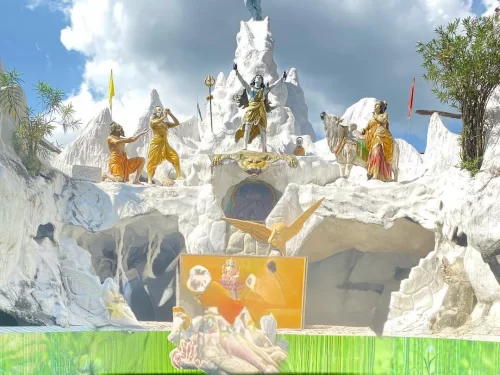
Bhuma Niketan is a Hindu temple complex located near Har Ki Pauri in Haridwar, Uttarakhand, India.
 Temple
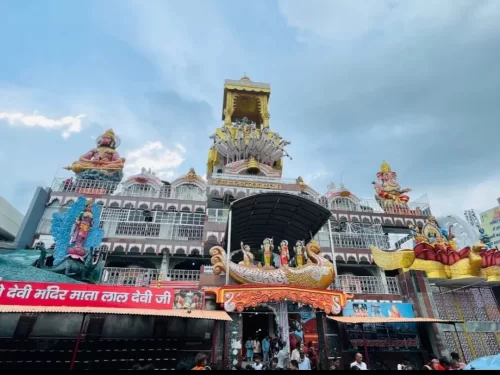
Vaishno Devi Temple, also known as Mata Lal Devi Ji Temple, is a Hindu temple located near the Haridwar–Rishikesh Road in Haridwar, Uttarakhand, India.
 Ashram
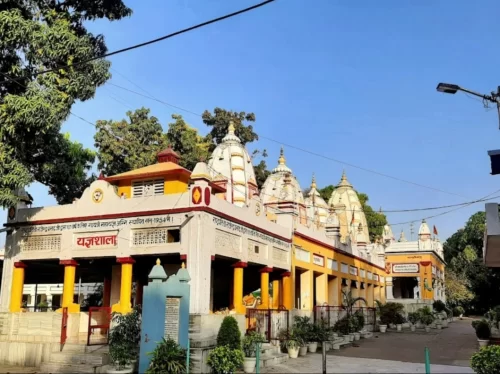
Saptrishi Ashram is a Hindu ashram complex located on the banks of the Ganga River in Haridwar, Uttarakhand, India.
Get customized Uttarakhand tour planning designed around seasonal weather changes, hill road travel timing, pilgrimage flow, and comfort-based pacing. Whether you are visiting for spiritual journeys, Himalayan views, wildlife reserves, river valleys, or p
⚡ Quick Response | 💰 Free consultation | 🕒 24×7 expert support

