Pithoragarh Fort Pithoragarh, Uttarakhand, India

Pithoragarh Fort , Pithoragarh
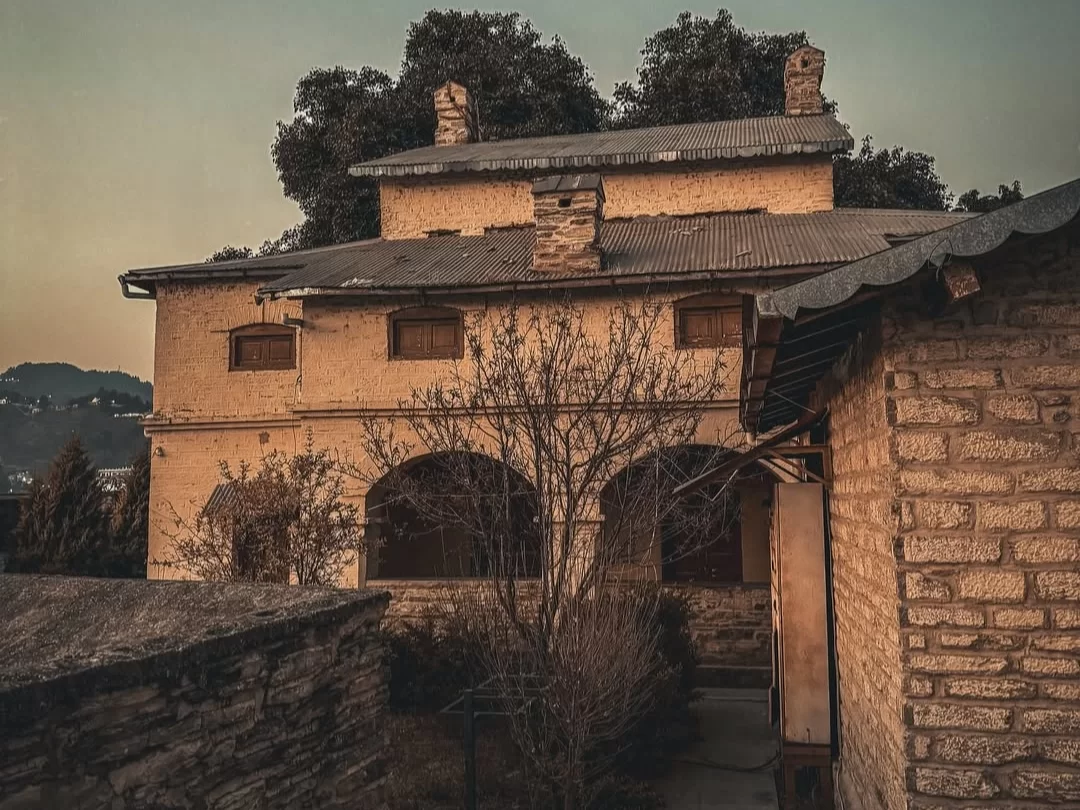
Visitors come to see the remains of the fort structure and for elevated views over the Soar Valley and surrounding Himalayan foothills. The fort is believed to have origins linked to the Gorkha rulers in the late 18th century, though much of the original structure is now in ruins.

Quick Facts About Pithoragarh Fort

Entry Fee Free
Timings 06:00 - 18:00
Altitude (m) 1650
Ideal Visit Duration (hrs) 1
Best Time of Day Morning
Crowd Level Low
Distance from Pithoragarh (km) 2
Walking Difficulty Moderate
Parking Available No
Last Mile Access Walk
Suitable for Kids Yes
Suitable for Seniors No
Wheelchair Friendly No

Why Visit Pithoragarh Fort

Pithoragarh Fort attracts visitors for its elevated position overlooking Pithoragarh town and the surrounding Soar Valley. Travelers come here primarily for wide valley views and to explore the remains of the old hilltop fort structure, often combining it with other local sightseeing stops within the district.

The atmosphere at the fort is relatively quiet, with a short uphill approach leading to stone remnants and open viewing edges. The site is not heavily commercialized, and facilities are limited, so most visitors spend time walking around the ruins and observing the valley landscape below.

What makes Pithoragarh Fort distinct is its vantage point over the entire town basin, offering a broader perspective of the surrounding Himalayan foothills. Unlike fully restored heritage complexes, this fort provides a more understated experience focused on location and views rather than elaborate structures.

History of Pithoragarh Fort

Pithoragarh Fort, located in Pithoragarh district of Uttarakhand, stands on a hill overlooking the Soar Valley. The fort is traditionally attributed to the Gorkha rulers who controlled the region in the late 18th century, although local accounts suggest that earlier structures may have existed on the site under the Chand dynasty of Kumaon.

During the Gorkha occupation (approximately 1790–1815), the fort functioned as a military outpost due to Pithoragarh’s strategic location near important trade and mountain routes connecting Kumaon with Tibet and Nepal. Following the Anglo-Nepalese War, the British East India Company took control of the region in 1815, after which the fort gradually lost its defensive role.

Today, only portions of the original structure remain, with much of the fort in a weathered state. Its elevated position still provides a commanding view of the valley below, reflecting the strategic reasoning behind its construction and its historic importance in the region’s political transitions.

Best Time to Visit – Pithoragarh Fort

Pithoragarh Fort is best visited when skies are clear and mountain visibility is sharp, as the hilltop site overlooks the Soar Valley and surrounding Himalayan ranges where haze and monsoon cloud cover can significantly affect views.
  • Ideal months: March to June and October to November offer the most reliable weather and clear valley panoramas.
  • Weather during the best season: Spring and early summer bring mild temperatures (around 12–28°C) with generally clear mornings, making it easier to enjoy wide views of the Soar Valley. Post-monsoon autumn provides crisp air, greener landscapes, and improved long-distance visibility toward higher Himalayan ridges.
  • Periods to avoid (and why): July to September sees heavy monsoon rainfall in Pithoragarh district, often causing slippery approach roads and persistent cloud cover that blocks valley views. Late December to January can be quite cold with occasional fog, limiting panoramic clarity.

How to Reach Pithoragarh Fort

  • Nearest Airport: Pantnagar Airport (approximately 240–250 km from Pithoragarh). From Pantnagar, the road journey to Pithoragarh takes 8–10 hours depending on hill road conditions. Pithoragarh also has Naini Saini Airport with limited regional flight operations; schedules are not daily and should be verified in advance.
  • Nearest Railway Station: Tanakpur Railway Station (around 150–160 km away) is the nearest practical railhead with connectivity to major North Indian cities. From Tanakpur, taxis and buses to Pithoragarh are available, and the road journey typically takes 5–6 hours through hilly terrain.
  • Road Access & Last-Mile Connectivity: Pithoragarh Fort is located on a hilltop overlooking Pithoragarh town. Private vehicles and taxis can reach the base of the fort via local town roads. The final stretch involves a short uphill walk on uneven paths to reach the fort remains. Roads in the region are narrow and winding, and landslides may affect travel during the monsoon season, so extra travel time should be factored in.

What to Expect When You Visit Pithoragarh Fort

  • Environment and Surroundings: Pithoragarh Fort is located on a hill overlooking Pithoragarh town in Uttarakhand, offering wide views of the Soar Valley and surrounding Himalayan foothills. The fort site includes remnants of old stone walls and later administrative structures within a compound. The setting is elevated and open, with exposure to sunlight and wind. During monsoon (July to September), the slopes turn green but visibility can be reduced by cloud cover. Winters can be cold, especially in the morning and evening.
  • Facilities and Amenities: Infrastructure at the fort is limited. There are no extensive tourist facilities, food stalls, or structured interpretation centers within the premises. Public toilet facilities are generally not available on-site. Seating is minimal, and informational signage may be limited. Visitors should not expect commercial amenities at the location.
  • Accessibility and Movement: The fort is accessible by motorable road up to a certain point within Pithoragarh town, followed by a short uphill walk to reach the main area. The pathway may include uneven stone sections and mild inclines. Parking facilities near the base are limited and informal. During rainy weather, the ground can become slippery, requiring careful footing.
  • Typical Visitor Behavior and Conditions: The fort attracts history enthusiasts and visitors seeking panoramic views rather than large tourist crowds. Footfall is generally low to moderate. Visitors typically spend 20–40 minutes exploring the remains and taking in valley views. The site remains relatively quiet compared to major hill station attractions, though weather conditions can affect visibility and overall experience.

Important Visitor Information – Pithoragarh Fort

  • Crowd & Weather Notes: Pithoragarh Fort receives light to moderate footfall and is generally not crowded, except during local holidays and peak travel months (April to June and October). Summers are pleasant but sunny on the exposed hilltop, while winters (December to February) are cold with occasional fog. Monsoon (July to September) brings lush surroundings but slippery access paths.
  • Peak / Quiet Hours: Late morning to mid-afternoon (10:30 AM – 3:30 PM) sees the most visitors. Early mornings and late afternoons are quieter, offering clearer valley views when weather permits.
  • Dress Code: No formal dress code applies. Comfortable footwear with good grip is recommended due to uneven stone surfaces and worn sections of the fort structure.
  • Safety Notes: Parts of the fort are in a partially ruined condition with broken walls and unguarded edges; visitors should avoid climbing unstable sections. During monsoon, surfaces can be slippery. There are limited facilities on-site, so carrying drinking water is advisable.

Photography and Viewpoints – Pithoragarh Fort

  • Best viewpoints/angles: The fort’s elevated ridge location provides sweeping views of the Pithoragarh valley—stand near the outer edge (within safe limits) for layered town-and-mountain compositions; sections of surviving stone walls offer foreground framing against distant Himalayan ridges; the approach path gives angled perspectives of the fort structure against the skyline.
  • Lighting & time-of-day: Early morning offers the clearest mountain visibility before haze builds over the valley; late afternoon enhances ridge contours with side lighting and warmer tones; post-monsoon months generally provide sharper long-distance Himalayan views compared to peak monsoon cloud cover.
  • Rules/restrictions: Photography is allowed in open fort areas, but climbing unstable ruins or standing on unprotected edges is unsafe and not permitted; drone usage may require prior administrative permission and is subject to local regulations.
  • Crowd & access factors: The fort is relatively less crowded compared to major hill station viewpoints, allowing flexible framing; weekends may see moderate local visitor presence; the uphill approach involves uneven paths and broken sections of stonework, affecting stable equipment placement.

Near By Attraction

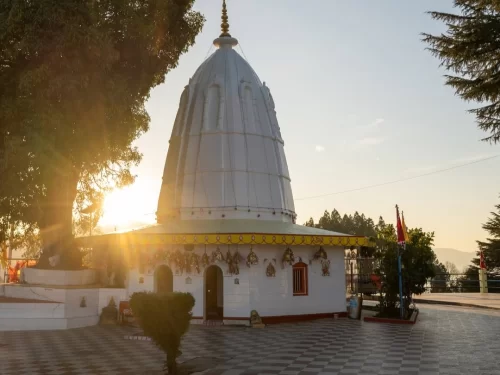
Mostamanu Temple in Pithoragarh, Uttarakhand with its white domed structure glowing at sunset, a scenic hilltop shrine included in Uttarakhand tour packages Temple

Mostamanu Temple

Mostamanu Temple is a regional Hindu temple dedicated to Lord Mosta, located near Pithoragarh town in Pithoragarh district, Uttarakhand, India.

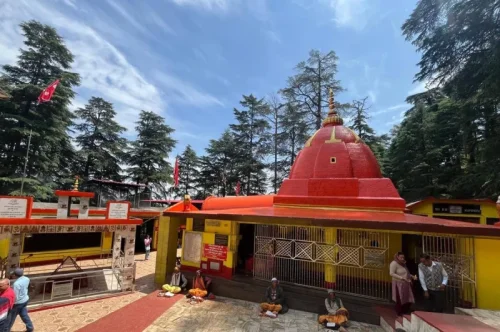
Dhwaj Temple in Pithoragarh, Uttarakhand featuring white shrines adorned with red flags on a scenic hilltop, a revered pilgrimage site included in Uttarakhand tour packages Temple

Dhwaj Temple

Dhwaj Temple is a Hindu temple dedicated to Lord Shiva and Goddess Jayanti, located on a hilltop near Pithoragarh town in Pithoragarh district, Uttarakhand, India.

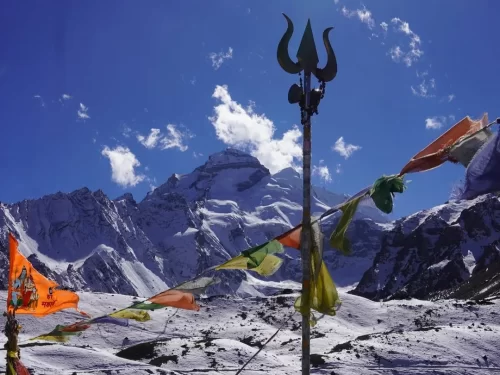
Chandak Hill in Pithoragarh, Uttarakhand offering panoramic views of snow-clad Himalayan peaks above dense pine forests, a scenic viewpoint featured in Uttarakhand tour packages Tourist Attraction

Chandak Hill

Chandak Hill is an elevated viewpoint and recreational area located a few kilometers from Pithoragarh town in Pithoragarh district, Uttarakhand, India.

Frequently Asked Questions About Pithoragarh Fort

Pithoragarh Fort is located in Pithoragarh town in Uttarakhand, situated on a hilltop overlooking the Soar Valley.
Visitors can reach Pithoragarh Fort by road to Pithoragarh in Uttarakhand and then take a short uphill drive or walk to the fort area.
There is no major entry fee to visit Pithoragarh Fort, though local guidelines may change depending on maintenance work.
Pithoragarh Fort is generally accessible during daylight hours, and visitors are advised to explore it between morning and sunset.
The best time to visit Pithoragarh Fort is between March and June and September to November when the weather in Uttarakhand is clear and pleasant.
Most travelers spend about 1 hour at Pithoragarh Fort enjoying the panoramic valley views and exploring the remaining structures.
Visitors can see scenic views of the Soar Valley and surrounding Himalayan ranges from Pithoragarh Fort on clear days.
A short uphill walk may be required to explore parts of Pithoragarh Fort, but it is generally manageable for most visitors.
Food stalls and restroom facilities are not available at Pithoragarh Fort, so visitors should carry essentials from Pithoragarh town.
Pithoragarh Fort is suitable for family visits, though supervision is advised due to uneven surfaces and open edges.

Loved this place ? Let’s Plan Your Uttarakhand Trip

Get customized Uttarakhand tour planning designed around seasonal weather changes, hill road travel timing, pilgrimage flow, and comfort-based pacing. Whether you are visiting for spiritual journeys, Himalayan views, wildlife reserves, river valleys, or p

⚡ Quick Response | 💰 Free consultation | 🕒 24×7 expert support

×

Plan Your Trip