Quick Facts About Mostamanu Temple
| Entry Fee | Free |
| Timings | 06:00 - 18:00 |
| Altitude (m) | 1800 |
| Ideal Visit Duration (hrs) | 1 |
| Best Time of Day | Morning |
| Crowd Level | Low |
| Distance from Pithoragarh (km) | 6 |
| Walking Difficulty | Moderate |
| Parking Available | No |
| Last Mile Access | Walk |
| Suitable for Kids | Yes |
| Suitable for Seniors | Yes |
| Wheelchair Friendly | No |
Why Visit Mostamanu Temple, Pithoragarh
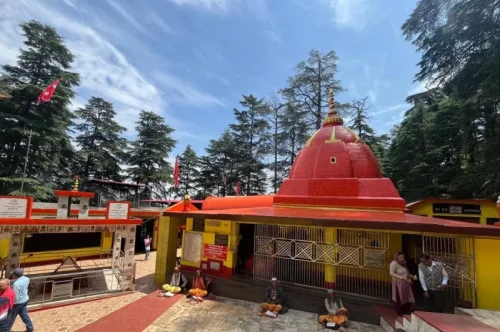
Mostamanu Temple in Pithoragarh attracts visitors for its local religious importance and its elevated position overlooking the Soar Valley. Devotees visit to offer prayers to the regional deity Mosta Devta, while travelers exploring nearby viewpoints often include the temple as part of a short hilltop excursion.
The atmosphere around the temple is peaceful and community-oriented, especially during local festivals when residents gather for rituals and seasonal fairs. On regular days, the setting remains calm, with open views and limited commercial activity around the shrine area.
What makes Mostamanu Temple distinct is its strong local cultural connection combined with its valley-facing location. Unlike larger pilgrimage centers, this temple offers a more intimate devotional environment alongside clear vantage points over Pithoragarh town and surrounding hills.
History of Mostamanu Temple, Pithoragarh
Mostamanu Temple is a revered local shrine situated near Pithoragarh town in Uttarakhand. The temple is dedicated to Lord Mosta, regarded in the Kumaon region as a form of Lord Shiva and worshipped as a regional protective deity. The site’s significance is rooted in long-standing local religious traditions rather than in royal construction records.
Although the present structure reflects later renovations, the temple is traditionally believed to have existed for centuries, serving as a focal point for village-level devotion and seasonal gatherings. Oral traditions connect the deity to agrarian protection and community well-being, reflecting the temple’s role within the socio-religious fabric of the area.
Mostamanu Temple remains an active place of worship, especially during local fairs and religious observances when devotees from nearby villages visit the shrine. Its historical importance lies in continuous ritual practice and regional faith traditions that have sustained the temple’s presence in Pithoragarh district.
Best Time to Visit – Mostamanu Temple Pithoragarh
Mostamanu Temple in Pithoragarh is most comfortable to visit when the hill roads and steps leading to the temple are dry and skies are clear, as the site sits on an elevated ridge overlooking the Soar Valley.
- Ideal months: March to June and October to November provide the most stable weather and accessible conditions.
- Weather during the best season: Spring and early summer bring mild temperatures (around 12–28°C) with clearer mornings, making the uphill walk manageable and valley views sharper. Post-monsoon autumn offers crisp air, greener surroundings, and improved long-distance visibility.
- Periods to avoid (and why): July to September sees heavy monsoon rainfall in Pithoragarh district, often leading to slippery steps and low cloud cover that reduces valley views. Late December to January can be quite cold at this elevation, with fog and frost affecting early morning visits.
How to Reach Mostamanu Temple Pithoragarh
- Nearest Airport: Naini Saini Airport, Pithoragarh (approximately 5–7 km from Mostamanu Temple) operates limited regional flights and services are not daily, so schedules must be confirmed in advance. The nearest major airport is Pantnagar Airport (around 240–250 km away), from where the road journey to Pithoragarh takes 8–10 hours depending on terrain and weather.
- Nearest Railway Station: Tanakpur Railway Station (approximately 150–160 km from Pithoragarh) is the closest practical railhead with connectivity to major North Indian cities. From Tanakpur, taxis and buses to Pithoragarh are available, and the hill journey typically takes 5–6 hours.
- Road Access & Last-Mile Connectivity: Mostamanu Temple is located about 6–7 km from Pithoragarh town and is accessible by a motorable hill road. Private vehicles and taxis can reach close to the temple premises. The approach road includes narrow stretches with sharp bends. During the monsoon season, heavy rainfall may affect road conditions, and visibility can reduce due to fog.
What to Expect When You Visit Mostamanu Temple Pithoragarh
- Environment and Surroundings: Mostamanu Temple is located on a hilltop near Pithoragarh town in Uttarakhand, overlooking the Soar Valley and surrounding Kumaon hills. The temple is dedicated to Lord Mosta, a regional deity worshipped in the Kumaon region. The setting is elevated and open, with forested patches along the approach and wide valley views from the top. During monsoon (July to September), the landscape turns green but fog and slippery pathways are common. Winters can be cold and windy due to the exposed hilltop location.
- Facilities and Amenities: Infrastructure at the temple is basic. Small local stalls may operate during festivals and peak visiting days, but regular food and water facilities are limited. Public toilet facilities are generally not available at the summit. Seating is minimal, and the temple complex remains simple without extensive commercial development. Visitors should carry essential supplies.
- Accessibility and Movement: The temple is accessible by motorable road up to a point near the base, followed by a short uphill walk or steps to reach the main shrine. The path includes uneven surfaces and stone sections. Parking near the approach road is limited and informal. During rainy weather, the route can become slippery, requiring careful footing and appropriate footwear.
- Typical Visitor Behavior and Conditions: Mostamanu Temple attracts local devotees and visitors seeking hilltop views. Footfall increases during local fairs and religious events dedicated to Lord Mosta. On regular days, the site remains relatively uncrowded. Visitors typically spend 20–40 minutes for darshan and to take in valley views. Weather conditions, particularly cloud cover, can affect visibility of the surrounding hills.
Important Visitor Information – Mostamanu Temple Pithoragarh
- Crowd & Weather Notes: Mostamanu Temple sees its highest footfall during the annual Mostamanu Fair (usually in August–September), when large numbers of devotees gather. Outside festival periods, the temple remains relatively calm. Summers (April to June) are pleasant, while winters (December to February) are cold. During monsoon, surrounding paths may be wet and slightly slippery.
- Peak / Quiet Hours: Late morning to early afternoon (10:00 AM – 1:30 PM) sees the most visitors, particularly during local religious occasions. Early mornings on non-festival days are generally quiet.
- Dress Code: Modest attire is expected as it is an active Hindu temple. Footwear must be removed before entering the shrine area. Visitors should avoid loud behavior inside the temple premises.
- Safety Notes: The temple area includes stepped sections and uneven ground; caution is required, especially during monsoon. During the annual fair, crowd density increases significantly, so careful movement is necessary. Basic facilities are available nearby, but carrying drinking water is advisable.
Photography and Viewpoints – Mostamanu Temple Pithoragarh
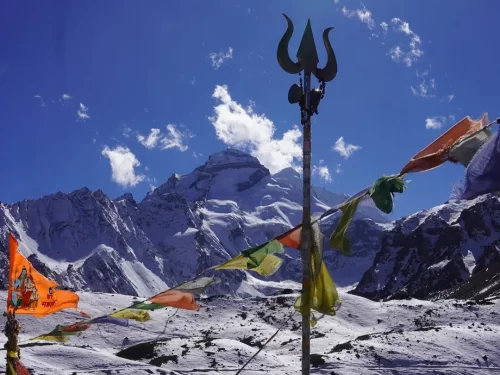
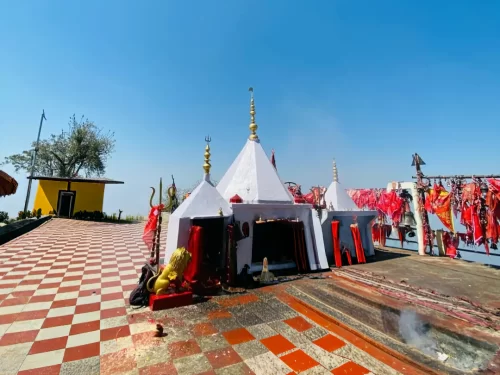
- Best viewpoints/angles: The hilltop temple complex offers wide views of the Pithoragarh valley—stand near the open courtyard edge (within safe limits) to frame the temple structure against layered mountain backdrops; slight diagonal angles from the steps highlight the sloping roofline and surrounding pine forest; distant Himalayan ridges are visible on clear mornings beyond the immediate valley.
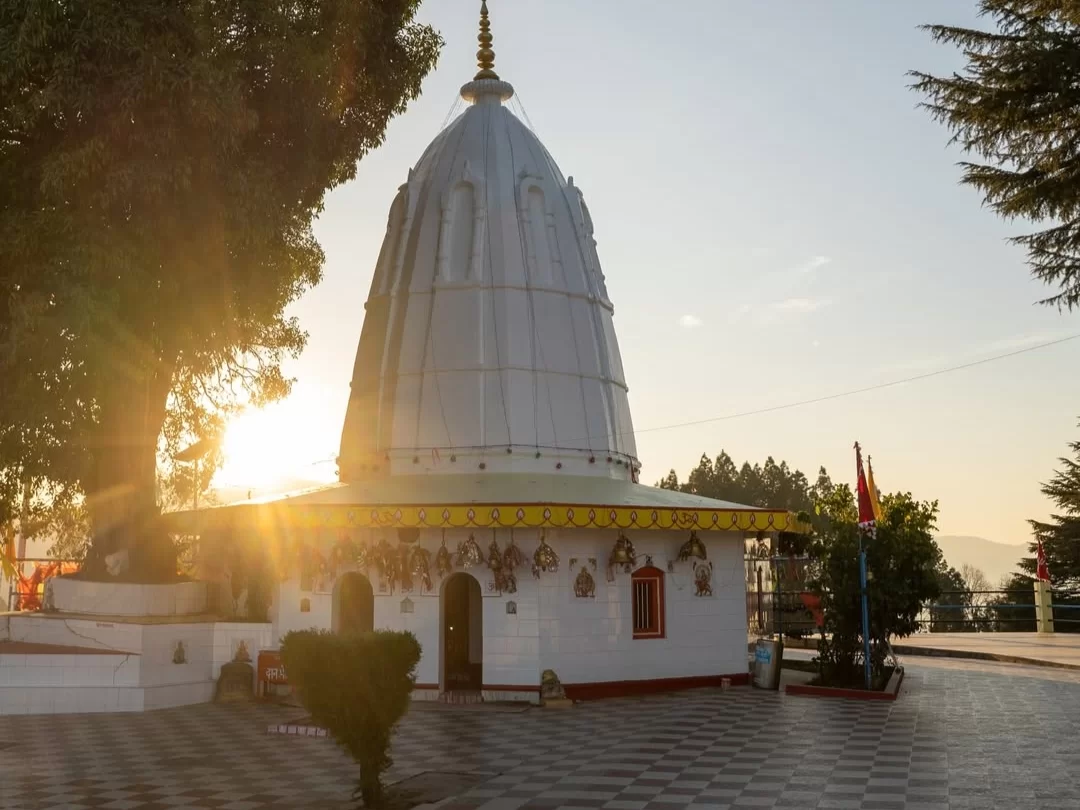
- Lighting & time-of-day: Early morning provides clearer long-distance visibility toward the higher ranges before haze develops; late afternoon enhances texture on the temple façade with softer side lighting; post-monsoon months generally offer sharper mountain views compared to peak monsoon cloud cover.
- Rules/restrictions: Photography is allowed in the open temple premises, but photography inside the sanctum may be restricted—confirm with temple authorities; avoid flash during active ???? (worship) and respect devotee privacy; drone usage may require prior administrative permission.
- Crowd & access factors: The temple sees increased footfall during local fairs and festivals, limiting uninterrupted courtyard compositions; weekdays remain relatively quiet; access involves an uphill road and short climb, with uneven surfaces that can be slippery during monsoon, affecting stable positioning for equipment.