Quick Facts About Pawan Dham
| Entry Fee | Free |
| Timings | 06:00 - 12:00, 15:00 - 20:00 |
| Altitude (m) | 314 |
| Ideal Visit Duration (hrs) | 1 |
| Best Time of Day | Morning |
| Crowd Level | Moderate |
| Distance from City Centre (km) | 4 |
| Walking Difficulty | Easy |
| Parking Available | Yes |
| Last Mile Access | Road |
| Suitable for Kids | Yes |
| Suitable for Seniors | Yes |
| Wheelchair Friendly | No |
Why Visit Pawan Dham Haridwar
Pawan Dham is a good stop for travelers who want a quiet temple experience without the rush found in central Haridwar. It is not a place for grand rituals or large gatherings, but rather for slow, personal prayer and observation. Visitors who value calm surroundings and time to sit peacefully will find this mandir more rewarding than busier pilgrimage sites.
Atmosphere
The atmosphere inside Pawan Dham is serene and orderly. The temple complex is well maintained, with clean pathways and a residential ashram feel. Sounds are minimal, mostly limited to temple bells and low conversations. Compared to riverside temples, the environment here feels insulated from Haridwar traffic and crowd noise.
What Makes it Special
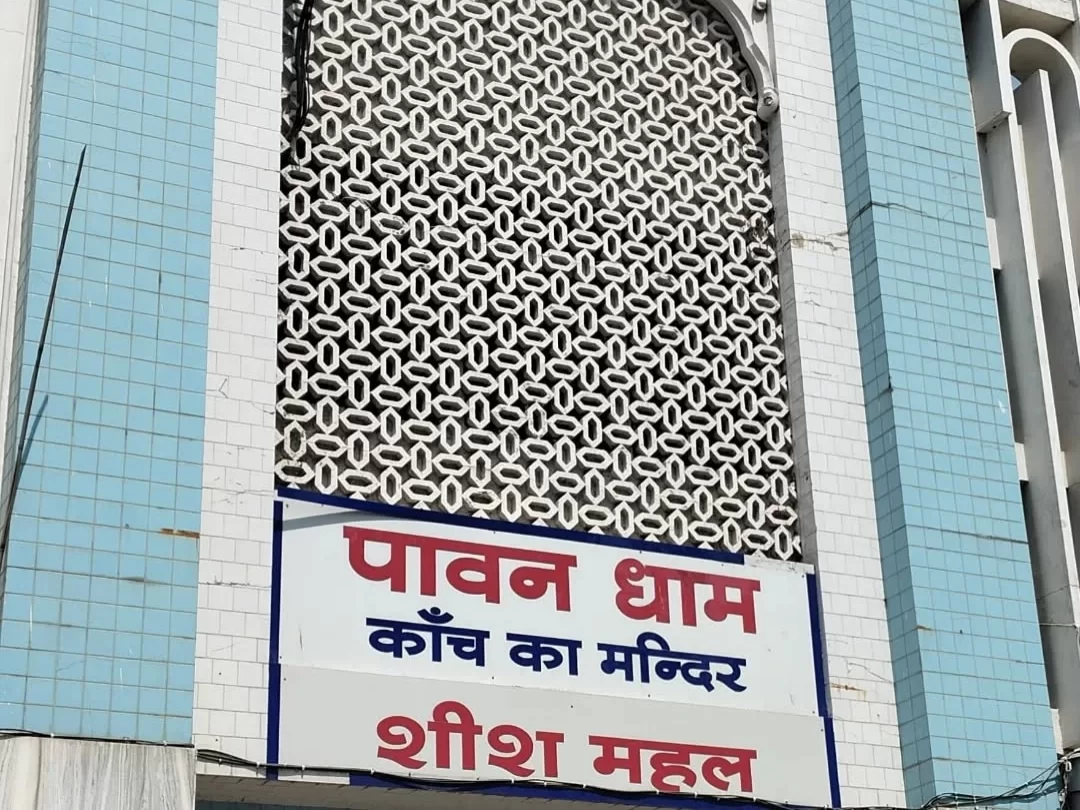
Pawan Dham stands out for its detailed glasswork and mirror decorated idols, which are uncommon in most North Indian temples. The craftsmanship is intricate and best appreciated up close. The mandir also functions as an ashram, giving visitors a glimpse into a disciplined, everyday spiritual routine rather than a tourist focused setup.
History
Pawan Dham was established by the Pawan Dham Trust with the intention of creating a peaceful spiritual space away from the crowded core of Haridwar. The complex developed gradually as an ashram and temple rather than as a single monumental construction, which explains its simple layout and residential character.
The mandir became known for its distinctive glass and mirror decorated idols, a style chosen to reflect devotional craftsmanship rather than architectural scale. Over time, this feature attracted visitors who were interested in temple artistry as much as worship.
Unlike ancient pilgrimage sites, Pawan Dham does not carry mythological associations or festival based prominence. Its importance lies in its role as a functioning ashram and a local place of worship, which has helped it retain a calm and community oriented identity.
`Best Time to Visit
Pawan Dham can be visited year round, but comfort and atmosphere vary depending on weather and local crowd patterns. Since the temple visit involves slow walking and time spent observing detailed idols, a relaxed environment improves the experience.
- October to March is the most comfortable period, with pleasant temperatures that allow an unhurried visit.
- April to June brings warmer conditions, especially in the afternoon, though shaded areas within the complex help reduce discomfort.
- July to September sees monsoon weather. The temple remains accessible, but humidity is high and outdoor walkways may be damp.
- Early morning hours are best for quiet darshan, as local devotees usually visit later in the day.
- Major pilgrimage festivals in Haridwar may increase traffic on access roads, even though the temple itself remains relatively calm.
Because Pawan Dham is not tied to large scale religious events or fixed rituals, visitors can plan their visit based mainly on weather comfort and personal schedule rather than festival dates.
How to Reach
- By Air: The nearest airport is Jolly Grant Airport in Dehradun, around 40 km from Pawan Dham. From the airport, taxis to Haridwar are easily available, followed by a short city drive to the temple.
- By Train: Haridwar Junction is the main railway station, well connected to Delhi and other major cities. Pawan Dham is about 4 km from the station and can be reached by auto rickshaw or taxi.
- By Road: Haridwar is connected by national highways to Delhi, Rishikesh, and Dehradun. The temple lies along an internal city road, making it accessible by private vehicle.
- Local Transport: Auto rickshaws and e-rickshaws operate regularly from Har Ki Pauri, the railway station, and city bus stand.
- Last Mile Access: The approach road is fully motorable, and visitors can be dropped close to the entrance without navigating narrow lanes.
What to Expect When You Visit
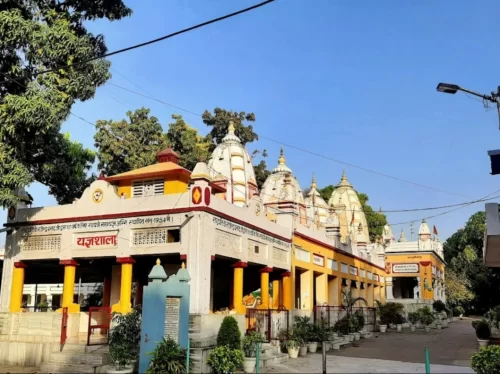
- A compact temple complex with a calm, residential ashram setting rather than a large pilgrimage hub.
- Intricately decorated idols featuring glass, mirrors, and gemstone style detailing that reward close observation.
- Minimal crowd movement, allowing visitors to spend time in prayer or quietly observe the temple interiors.
- Limited commercial activity, with no aggressive vendors, souvenir stalls, or guided tour services inside the premises.
- Clean pathways and well maintained surroundings, reflecting its role as a functioning ashram.
- Basic facilities only, with few seating areas and no food outlets within the temple complex.
- A respectful and generally safe environment, suitable for families and older visitors seeking a peaceful stop.
Important Visitor Information
- Crowd Notes: Pawan Dham usually remains calm and lightly visited. Crowds are mostly limited to local devotees on weekends and specific religious dates. It does not experience the heavy footfall seen at Har Ki Pauri or hilltop temples.
- Peak Hours: Late morning between 10:30 AM and 01:00 PM, when local visitors and small groups tend to arrive.
- Quiet Hours: Early morning after opening and late afternoon before evening prayers offer the most peaceful atmosphere.
- Weather Notes: Summers can feel warm but are manageable due to shaded areas. Monsoon months bring humidity and occasional wet walkways. Winters are comfortable and best for slow exploration.
- Dress Code: No strict dress code is enforced, but modest clothing is expected as it is an active temple and ashram.
- Safety Notes: The complex is generally safe and well maintained. Walk carefully near polished floors and decorative areas. Keep personal belongings secure during busier hours.
Photography and Viewpoint
- Photography is allowed within the temple complex, but visitors are expected to avoid flash near glass and mirror decorated idols to prevent glare and disturbance.
- The detailed craftsmanship of the idols is best photographed from close range, using natural light to capture reflections without harsh highlights.
- There are no elevated viewpoints or panoramic observation decks within Pawan Dham, as the complex is designed for worship rather than views.
- Outdoor photography is limited to the entrance and garden areas, which reflect the quiet ashram environment rather than scenic landscapes.
- Professional equipment such as tripods is uncommon and may require prior permission from temple authorities.
- Visitors should be discreet while photographing, as the space is actively used by devotees and residents of the ashram.