Quick Facts About Maya Devi Temple
| Entry Fee | Free |
| Timings | 05:00 - 22:00 |
| Altitude (m) | 314 |
| Ideal Visit Duration (hrs) | 1 |
| Best Time of Day | Morning |
| Crowd Level | High |
| Distance from City Centre (km) | 0 |
| Walking Difficulty | Easy |
| Parking Available | No |
| Last Mile Access | Walk |
| Suitable for Kids | Yes |
| Suitable for Seniors | Yes |
| Wheelchair Friendly | No |
Why Visit Maya Devi Temple
Maya Devi Temple is a must-visit destination for devotees and spiritual travelers seeking a connection with divine energy. As one of the oldest Shaktipeeths in India, it offers a deeply spiritual and culturally rich experience, attracting pilgrims from across the country.
The temple's atmosphere is filled with devotion, chants, and the scent of incense, creating a serene and sacred environment. Daily rituals and offerings enhance the spiritual ambiance, making it a place of peace and reflection amidst the bustling city of Haridwar.
What makes Maya Devi Temple special is its historic significance, central location, and the opportunity to witness authentic Hindu worship practices. The temple allows visitors to experience traditional rituals, seek blessings, and immerse themselves in centuries-old spiritual traditions, all while being close to the holy Ganges.
Religious Significance
Maya Devi Temple is one of the most revered Shaktipeeths in India, dedicated to Goddess Maya, an incarnation of Shakti. It is believed that the goddess's heart and navel fell at this site, making it a sacred destination for devotees seeking blessings, protection, and spiritual fulfillment.
The temple has been a center of worship for centuries, with devotees performing traditional rituals and prayers daily. It holds special importance during Navratri, when thousands of pilgrims visit to honor the goddess and participate in festivities, reflecting its enduring spiritual and cultural significance in Haridwar.
Best Time to Visit
The best time to visit Maya Devi Temple is from September to March when the weather in Haridwar is pleasant, making it ideal for darshan and exploring the temple surroundings. Early morning visits are recommended for a peaceful experience and to avoid heavy crowds.
Avoid visiting during peak summer (April–June) due to high temperatures, and plan carefully during festivals like Navratri, as the temple experiences very high footfall.
- September to November: Pleasant climate with post-monsoon freshness, ideal for sightseeing and spiritual activities.
- December to February: Cooler temperatures, quieter surroundings, perfect for meditation and peaceful darshan.
- March: Moderate weather with early spring ambiance, suitable for temple visits and photography.
- April to June: Hot summers; visiting early morning is advisable to avoid heat.
- Festivals: Navratri and other major celebrations attract large crowds; plan visits accordingly for the full cultural experience.
How to Reach
- By Air: The nearest airport is Jolly Grant Airport in Dehradun, approximately 35 km from Haridwar. From the airport, taxis and cabs are available to reach Maya Devi Temple easily.
- By Train: Haridwar Railway Station is very close to the temple, around 1–2 km. Auto-rickshaws, cycle rickshaws, and taxis provide convenient last-mile connectivity to the temple entrance.
- By Road: Haridwar is well-connected by national and state highways. Private cars, buses, and taxis can reach the temple area directly, with several parking options nearby.
- Walking Access: The temple is centrally located, making it easily accessible on foot from nearby hotels, ghats, and city areas.
- Tips: Due to limited parking and high pedestrian traffic, using public transport or walking from nearby points is often more convenient, especially during festivals.
What to Expect When You Visit
- Spiritual Ambience: Expect a serene and devotional environment with chanting, bells, and incense creating a sacred atmosphere for prayer and meditation.
- Historic Shrine: The temple houses the ancient idol of Goddess Maya, providing insight into centuries-old religious practices and architectural style.
- Devotional Activities: Visitors can participate in daily rituals, offerings, and aarti, especially during early mornings and evenings when ceremonies are performed.
- Cultural Exposure: The temple offers a glimpse of traditional Hindu worship, local customs, and festival celebrations like Navratri.
- Accessibility: The temple is centrally located and easy to reach, making it suitable for families, seniors, and casual visitors exploring Haridwar.
- Photography Opportunities: Capture the vibrant temple activities, decorative lamps, and the bustling streets around the temple, especially during festivals and evening aarti.
Important Visitor Information
- Crowd & Weather Notes: The temple experiences moderate crowds on regular days and heavy influx during Navratri and other festivals. Weather is pleasant from September to March, while summers (April–June) can be hot and crowded.
- Peak Hours: 10:00 AM – 2:00 PM and 5:00 PM – 8:00 PM are the busiest times, especially during festivals.
- Quiet Hours: Early morning (05:00 AM – 07:00 AM) and late evening (08:00 PM – 09:00 PM) provide a peaceful environment for darshan and meditation.
- Dress Code: Modest and respectful clothing is recommended. Covering shoulders and legs is advised for both men and women. Comfortable footwear is suggested as the area can be crowded.
- Safety Notes: Watch your belongings due to heavy footfall. Children should be supervised, and caution is advised on wet or uneven surfaces, particularly during rainy days.
Photography and Viewpoint
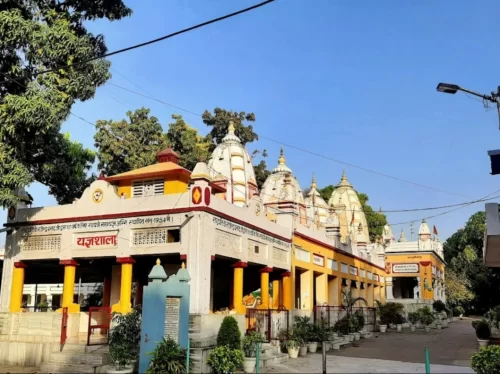
- Temple Interior: The main sanctum offers opportunities to capture the sacred idol of Goddess Maya, devotees performing rituals, and the traditional temple architecture.
- Temple Courtyard: The open courtyard provides excellent shots of devotional activities, ceremonial lamps, and festival decorations during Navratri.
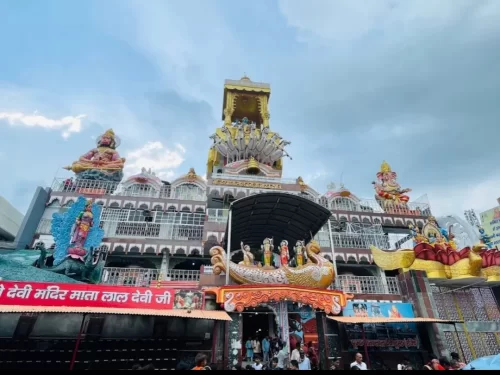
- Street Views: The bustling streets around the temple, adorned with shops and local life, offer vibrant cultural and street photography opportunities.
- Lighting Tips: Early morning or late evening provides soft natural light, enhancing the colors of the temple and surroundings, while avoiding harsh midday sun glare.
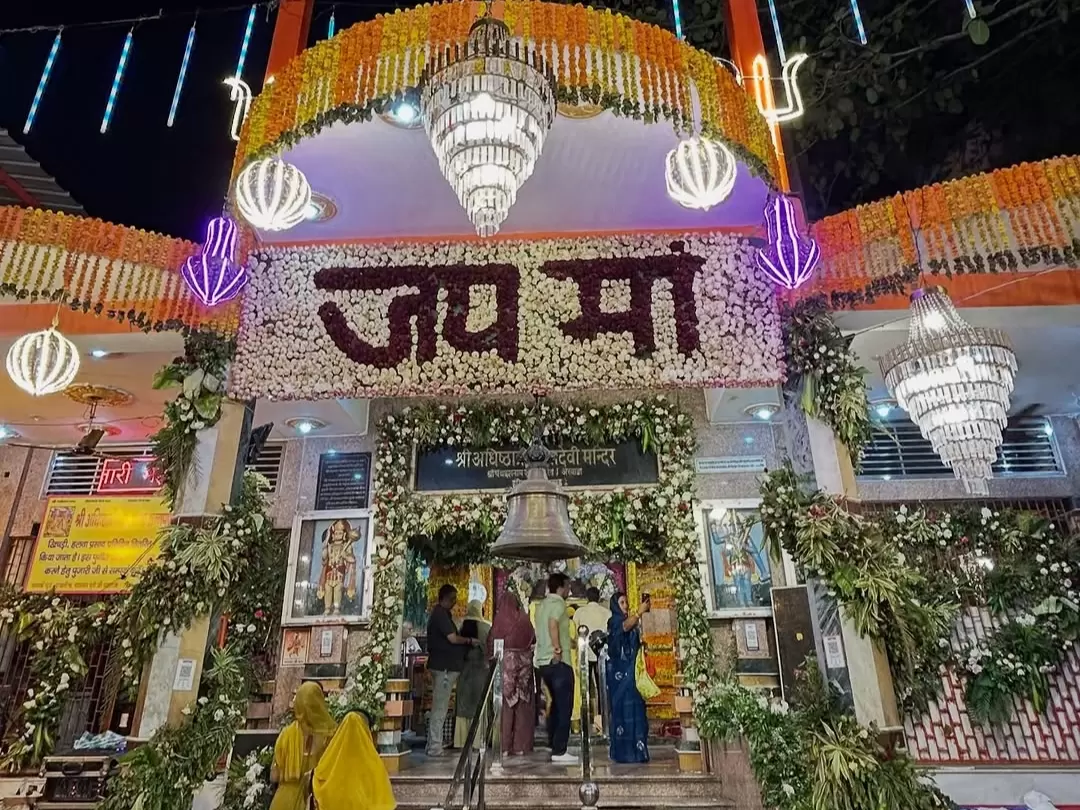
- Festival Photography: During major festivals, the temple is decorated with lights, flowers, and lamps, creating dynamic and colorful scenes for capturing traditional rituals.
- Drone Photography: Drone usage is restricted in the temple area; visitors should obtain proper permissions and follow local regulations to ensure safety.