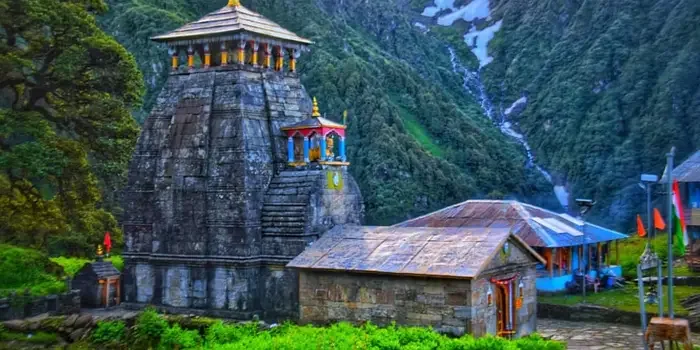
Madmaheshwar Temple – Ancient Shiva Shrine in the Garhwal Himalayas

Madmaheshwar temple , Rudraprayag
Tourists visit Madmaheshwar Temple as part of the Panch Kedar pilgrimage circuit in the Himalayas. The temple is reached through a long mountain trek via villages and forest trails, and is known for its remote high-altitude setting and traditional stone architecture.

Quick Facts About Madmaheshwar temple

Madmaheshwar Temple, Uttarakhand Quick Facts

Entry Fee No entry fee
Timings Open during pilgrimage season (summer to early winter); closed in heavy winter snowfall months
Altitude (m) Approximately 3,289 m above sea level
Ideal Visit Duration 1–2 hours at temple; 2–3 days total including trek
Best Time of Day Morning for darshan and clear mountain views
Crowd Level Low to moderate; limited by long trek and seasonal access
Distance from City Centre (km) Approximately 30 km trek from Ransi village (nearest roadhead)
Walking Difficulty Difficult; long high-altitude Himalayan trek with steep ascents and variable terrain
Parking Available Limited parking available at roadhead villages like Ransi
Last Mile Access Accessible only by trekking; no motorable road to the temple
Suitable for Kids No; high-altitude trek is physically demanding
Suitable for Seniors No; recommended only for experienced trekkers in good fitness
Wheelchair Friendly No; fully trekking-based access route

Why Visit Madmaheshwar Temple, Uttarakhand

Visitors come to Madmaheshwar Temple to worship Lord Shiva at one of the Panch Kedar shrines located deep in the Garhwal Himalayas. The temple attracts pilgrims undertaking the trek from Ransi village, making it a key spiritual destination for those seeking a high-altitude pilgrimage experience.

The on-ground atmosphere is quiet, remote, and shaped by mountain weather, forested trails, and limited settlement along the route. At the temple site, the setting is open and expansive, with views of surrounding Himalayan peaks and a steady sense of isolation from road-connected towns.

What makes Madmaheshwar Temple distinct is its combination of active worship at a high-altitude stone shrine and its location along a demanding trekking route in Uttarakhand. The experience blends pilgrimage with trekking, offering direct engagement with the natural and spiritual landscape of the region.

History of Madmaheshwar Temple, Uttarakhand

Madmaheshwar Temple is a sacred Hindu shrine dedicated to Lord Shiva, located in the Garhwal Himalayas of Uttarakhand. It is one of the Panch Kedar temples, a group of five holy Shiva temples deeply rooted in Himalayan pilgrimage traditions.

According to religious tradition, the temple is associated with the mythological Pandavas, who are believed to have worshipped Lord Shiva here as part of their penance after the Kurukshetra war. This association forms a key part of its cultural and religious significance.

Madmaheshwar remains an active pilgrimage site, visited by devotees who undertake the high-altitude trek as part of the Panch Kedar circuit, preserving its long-standing importance in Shaivite worship in Uttarakhand.

Best Time to Visit Madmaheshwar Temple, Uttarakhand

Madmaheshwar Temple is best visited during the annual pilgrimage season when trekking routes from Ransi and Gaundhar are open, allowing safe access to the high-altitude shrine and clear views of the Chaukhamba peaks.
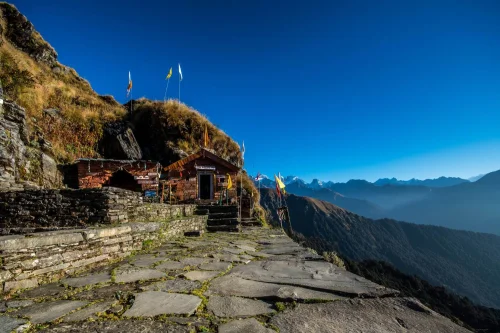
  • Ideal Months: May to June and September to October are the most suitable periods for undertaking the trek and visiting the temple.
  • Weather Conditions: These months generally offer stable trekking conditions, moderate daytime temperatures at higher elevations, and clearer visibility of Himalayan peaks along the route.
  • Periods to Avoid: July and August should be avoided due to heavy monsoon rainfall, which makes forest and mountain trails slippery and increases the risk of landslides. Winter months are also not suitable as heavy snowfall leads to restricted access to the temple.

How to Reach Madmaheshwar Temple, Uttarakhand

  • By Air: The nearest airport is Jolly Grant Airport, Dehradun, located approximately 220–240 km from the starting point at Ransi village (trek base). From the airport, travelers must continue by road via Rudraprayag and Ukhimath to reach Ransi.
  • By Train: The nearest railway stations are Rishikesh (around 200–220 km to Ransi) and Haridwar (around 230–250 km). From both stations, onward travel is by road to Ukhimath and then to Ransi village, the trek starting point.
  • By Road: Madmaheshwar Temple is not directly accessible by road and requires a trek from Ransi village (approximately 19–21 km). Ransi is connected by motorable roads from Ukhimath and Rudraprayag via Ukhimath–Mandal road. From Ransi, the route passes through villages and forest trails with steep and gradual ascent sections. Trek conditions can become challenging during monsoon due to slippery paths, and winter months may see cold temperatures and limited accessibility in higher stretches.

What to Expect When You Visit Madmaheshwar Temple, Uttarakhand

  • Madmaheshwar Temple is located deep in the Garhwal Himalayas in Rudraprayag district, surrounded by alpine meadows, dense forests, and panoramic views of snow-clad peaks, with a remote high-altitude environment typical of the Kedarnath region.
  • The temple setting is quiet and naturally isolated, with limited human settlement nearby. The atmosphere is strongly spiritual, with pilgrims, trekkers, and local caretakers forming the primary visitor presence.
  • Facilities along the trekking route and at the temple are very basic, including small dhabas, seasonal lodges, and simple resting shelters. Electricity, medical support, and communication networks may be limited or inconsistent.
  • Accessibility requires a multi-stage mountain trek from roadhead villages, involving steep ascents, forest trails, and uneven rocky paths. Movement can be physically demanding, especially for first-time high-altitude trekkers.
  • Visitor flow is seasonal, increasing during pilgrimage months and summer trekking season. During peak periods, limited accommodation at en-route stops and near the temple may lead to crowding or advance booking requirements.
  • Weather conditions significantly affect travel safety and comfort, with sudden rain, cold winds, and temperature drops common even in summer. Monsoon trails can become slippery and winter access is often restricted due to snow.
  • Visitors typically spend time in darshan, meditation, and short exploration of surrounding alpine landscapes. The experience is quiet and basic, with minimal commercial activity and strong dependence on natural conditions.

Important Visitor Information for Madmaheshwar Temple, Uttarakhand

  • Madmaheshwar Temple experiences peak footfall during the Char Dham Yatra season (May–June and September–October), while the trek route and temple area remain relatively quiet during winter months due to heavy snowfall conditions.
  • Early morning hours at the temple are the most peaceful for darshan, whereas mid-day can see increased movement from trekking groups arriving along the route.
  • The region experiences rapidly changing mountain weather, with monsoon rains making the trekking trail muddy and winter bringing extreme cold and possible route closures at higher stretches.
  • Modest, layered clothing is essential due to high-altitude conditions, with warm wear required even during summer mornings and evenings at the temple site.
  • The approach to Madmaheshwar involves a long mountain trek with steep ascents and narrow paths; proper trekking footwear and physical preparedness are important for safe travel.
  • Visitors should exercise caution along cliffside trail sections and stone steps, especially during rain or fog when visibility is low and surfaces become slippery.

Photography and Viewpoints at Madmaheshwar Temple, Uttarakhand

  • The most prominent photography viewpoint is the temple courtyard, where the stone-built shrine can be framed against the Chaukhamba peak range visible on clear days from the Kedarnath Wildlife Sanctuary landscape.
  • Side angles from the approach trail near the final ascent offer elevated compositions of the temple set within alpine meadows, wooden dhabas, and high-altitude ridgelines.
  • Early morning light provides the clearest visibility of snow-clad peaks and softer illumination on the temple structure, making it the most reliable window for landscape and architectural shots.
  • Sunset conditions highlight the surrounding grasslands and ridge contours, but cloud cover frequently affects visibility due to the high-altitude Himalayan weather pattern.
  • Photography inside the sanctum may be restricted during ???? rituals, and visitors are expected to follow temple committee instructions and avoid flash in sacred areas.
  • During peak pilgrimage season (May–June and post-monsoon months), limited space in the courtyard can restrict clear framing due to increased yatri footfall and lodging activity around the temple complex.
  • Access to viewpoints requires a multi-day trek from Ransi village, so photography opportunities are dependent on weather, trail conditions, and visibility changes along the route.

Near By Attraction

 Temple

Rudranath Temple

Rudranath Temple is a Hindu temple dedicated to Lord Shiva, located in Rudraprayag, Uttarakhand, India.
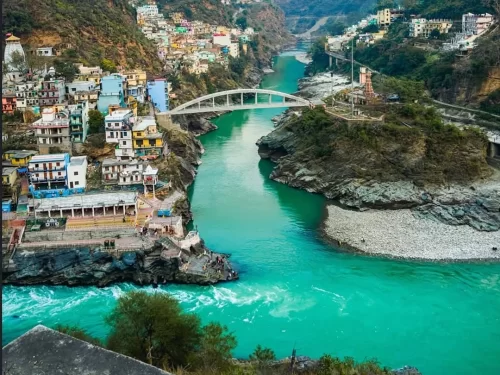
Devprayag Uttarakhand colorful village houses bridge temple green turquoise river rocky gorge forested mountains panoramic view, perfect Uttarakhand tour packages. Tourist Attraction

Devprayag

Devprayag is a Himalayan town in Tehri Garhwal district where the Alaknanda and Bhagirathi rivers meet to form the River Ganga.
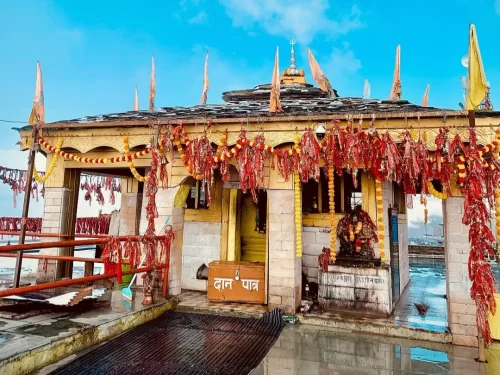
Kartik Swamy Temple in Rudraprayag, Uttarakhand adorned with red prayer flags and garlands, a sacred hilltop shrine included in Uttarakhand tour packages Temple

Kartik Swamy Temple

Kartik Swamy Temple is a Hindu temple dedicated to Lord Kartikeya (Murugan), located on a ridge near Kanakchauri village in Rudraprayag district, Uttarakhand, India.

Frequently Asked Questions About Madmaheshwar temple

Loved this place ? Let’s Plan Your Uttarakhand Trip

Get customized Uttarakhand tour planning designed around seasonal weather changes, hill road travel timing, pilgrimage flow, and comfort-based pacing. Whether you are visiting for spiritual journeys, Himalayan views, wildlife reserves, river valleys, or p

⚡ Quick Response | 💰 Free consultation | 🕒 24×7 expert support

×

Plan Your Trip