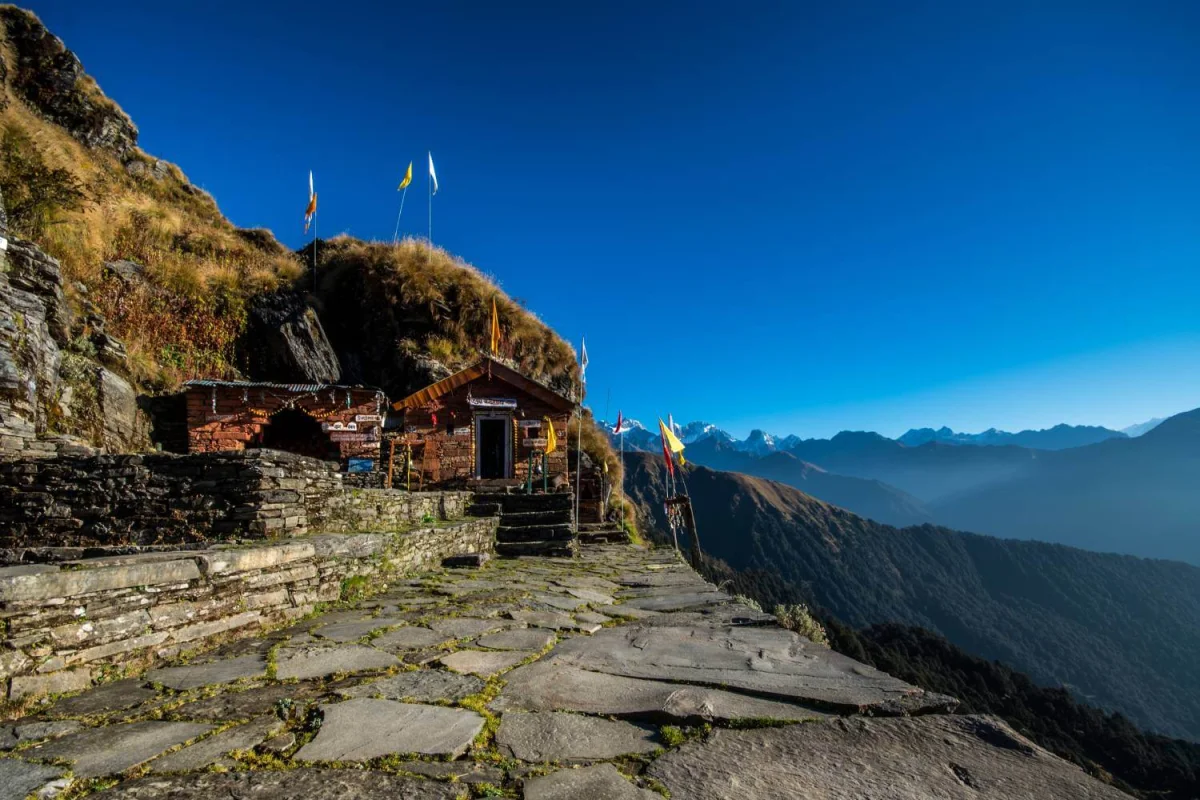
Rudranath Temple – Ancient Shiva Temple in Rudraprayag

Rudranath Temple , Rudraprayag
Tourists visit Rudranath Temple for its religious significance and its association with the sacred town of Rudraprayag. The temple is visited by pilgrims exploring the Alaknanda–Mandakini river confluence area and forms part of the region\'s long-standing Shaivite tradition.

Quick Facts About Rudranath Temple

Rudranath Temple, Uttarakhand Quick Facts

Entry Fee No entry fee
Timings Generally open from early morning to evening during the pilgrimage season; inaccessible during winter when the temple remains closed due to snowfall
Altitude (m) Approximately 3,600 m above sea level
Ideal Visit Duration 1–2 hours at the temple; the trek typically requires multiple days
Best Time of Day Morning for temple darshan and clearer mountain views
Crowd Level Low to moderate; visitor numbers are limited by the long trekking route
Distance from City Centre (km) Approximately 23 km trekking distance from Sagar village, the most common trailhead
Walking Difficulty Difficult; high-altitude trek with steep ascents and descents
Parking Available Limited parking available at major trek starting points such as Sagar village
Last Mile Access Accessible only by trekking; no motorable road reaches the temple
Suitable for Kids No; the trek is physically demanding and at high altitude
Suitable for Seniors Generally not recommended unless physically fit and experienced in mountain trekking
Wheelchair Friendly No; the temple is accessible only via a mountain trek

Why Visit Rudranath Temple, Rudraprayag, Uttarakhand

Visitors come to Rudranath Temple in Rudraprayag to worship Lord Shiva at a respected local shrine connected to the region’s religious landscape. The temple attracts devotees, pilgrims, and travelers exploring the sacred sites that lie along the Alaknanda and Mandakini river valleys.

The atmosphere is centered on daily worship and quiet devotion, with visitors gathering for prayers and offerings throughout the day. Surrounded by the mountain setting of Garhwal, the temple provides a calm environment that reflects the spiritual character of Rudraprayag.

What makes Rudranath Temple distinct is its integration into the everyday religious life of the town rather than functioning solely as a tourist attraction. Visitors gain insight into local worship traditions while experiencing a temple setting closely tied to the pilgrimage routes of Uttarakhand.

History of Rudranath Temple, Rudraprayag, Uttarakhand

Rudranath Temple in Rudraprayag is dedicated to Lord Shiva and forms part of the region’s long-standing Shaivite religious tradition. The temple has served as a place of worship for local communities and pilgrims visiting the sacred confluence town of Rudraprayag.

The temple's religious significance is closely tied to the worship of Shiva in his Rudra form, from which Rudraprayag derives its name. Its location within one of the Panch Prayag pilgrimage centers has contributed to its importance in regional devotional practices.

Over the years, Rudranath Temple has remained an integral part of the spiritual landscape of Rudraprayag, reflecting the town’s enduring association with Hindu pilgrimage and worship in the Garhwal Himalayas.

Best Time to Visit Rudranath Temple, Uttarakhand

Rudranath Temple is accessible only during the annual pilgrimage season and is best visited when mountain trails are snow-free, making the long trek safer and allowing visitors to experience the high-altitude meadows and Himalayan landscapes surrounding the shrine.
  • Ideal Months: May to June and September to October are the most suitable months for visiting the temple.
  • Weather Conditions: These periods generally offer open trekking routes, moderate daytime temperatures at high altitude, and clearer mountain views, making the pilgrimage and trekking experience more comfortable.
  • Periods to Avoid: July and August can bring heavy monsoon rainfall, slippery trails, and reduced visibility, while winter months typically see heavy snowfall that makes access to the temple difficult or unavailable.

How to Reach Rudranath Temple, Rudraprayag, Uttarakhand

  • By Air: The nearest airport is Jolly Grant Airport, Dehradun, located approximately 160–180 km from Rudraprayag. The airport has regular flight connections to major Indian cities. From there, taxis and buses are available for the onward journey to Rudraprayag.
  • By Train: The nearest railway stations are Rishikesh (around 140 km away) and Haridwar Junction (around 165 km away). Both stations are connected to major cities across India. Visitors must continue by road to reach Rudraprayag and the temple area.
  • By Road: Rudranath Temple is situated near the confluence area of Rudraprayag town and is accessible via National Highway 7. Regular buses, shared jeeps, and taxis connect Rudraprayag with Rishikesh, Srinagar Garhwal, Karnaprayag, and other towns in the Garhwal region. The temple can be reached through local roads and a short walk from nearby parking areas. Travel times may increase during the monsoon season due to landslides, road maintenance, or weather-related delays on mountain routes.

What to Expect When You Visit Rudranath Temple, Rudraprayag, Uttarakhand

  • Rudranath Temple is situated within the Rudraprayag region amid the Himalayan terrain of river valleys, forested hillsides, and steep mountain landscapes that characterize the Garhwal Himalayas.
  • The temple environment is primarily religious and locally oriented, with visitors encountering a peaceful atmosphere focused on worship, prayer rituals, and traditional Hindu practices rather than commercial tourism activities.
  • Basic amenities such as small shops, eateries, accommodation, and transport services are available in nearby town areas, while facilities immediately around the temple remain limited and intended mainly for pilgrims.
  • Access typically involves road travel through mountainous terrain followed by short walks within the temple precinct. Visitors should expect uneven surfaces, steps, and sloping pathways common in hill-region religious sites.
  • The temple attracts local devotees, regional pilgrims, and travelers exploring the religious heritage of Rudraprayag. Visitor numbers increase during important Hindu festivals, auspicious days, and peak pilgrimage seasons.
  • Crowding can occur around prayer areas during major religious events, resulting in longer waiting times for darshan and reduced space within the temple complex.
  • Weather conditions can affect the overall experience, particularly during monsoon months when rainfall may impact road travel and winter periods when temperatures are significantly lower than in the plains.

Important Visitor Information for Rudranath Temple, Rudraprayag, Uttarakhand

  • The temple receives increased visitor traffic during the Char Dham Yatra season, Mahashivratri, and other significant Hindu festivals, while weekday mornings are generally quieter for darshan.
  • Early morning and evening worship periods attract the highest number of devotees, whereas mid-day hours often provide a more relaxed visiting experience.
  • Weather conditions in Rudraprayag vary seasonally, with heavy monsoon rainfall potentially affecting local travel conditions and colder temperatures during winter mornings and evenings.
  • Modest clothing is expected within the temple premises, reflecting the religious significance of the site and local worship practices.
  • Festival periods may result in temporary crowding around the sanctum and prayer areas, requiring additional waiting time for darshan.
  • Visitors should exercise caution on temple steps and surrounding stone surfaces, particularly during or after rainfall when walking areas may become slippery.

Photography and Viewpoints at Rudranath Temple, Rudraprayag, Uttarakhand

  • The most rewarding photography opportunities are found along the trekking route to Rudranath Temple, where open alpine meadows, forest clearings, and mountain ridges provide expansive views of the Garhwal Himalayas.
  • Near the temple complex, elevated viewpoints offer striking perspectives of the stone shrine set against high-altitude landscapes, making the temple and surrounding peaks a distinctive composition.
  • Early morning is the preferred time for photography, as mountain visibility is typically clearer and softer light illuminates the temple façade and nearby grasslands.
  • Sunrise and post-monsoon periods often provide the best long-range views of snow-clad peaks visible from the higher sections surrounding the temple.
  • Photography is generally allowed in the temple's outer areas, but visitors should respect local religious customs and follow any restrictions regarding photography inside sacred spaces.
  • Pilgrim numbers increase during the annual temple opening season and festival periods, which can affect access to the most popular viewpoints around the shrine.
  • Weather conditions at this high-altitude location can change rapidly, with clouds and mist frequently affecting visibility and altering photographic opportunities throughout the day.

Near By Attraction

 Temple

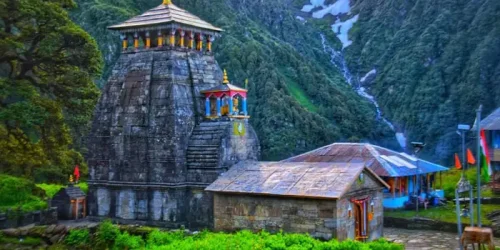
Madmaheshwar temple

Madmaheshwar Temple is a Hindu temple dedicated to Lord Shiva, located in the Rudraprayag district of Uttarakhand, India.
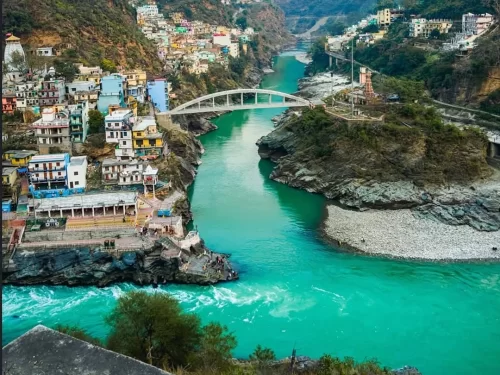
Devprayag Uttarakhand colorful village houses bridge temple green turquoise river rocky gorge forested mountains panoramic view, perfect Uttarakhand tour packages. Tourist Attraction

Devprayag

Devprayag is a Himalayan town in Tehri Garhwal district where the Alaknanda and Bhagirathi rivers meet to form the River Ganga.
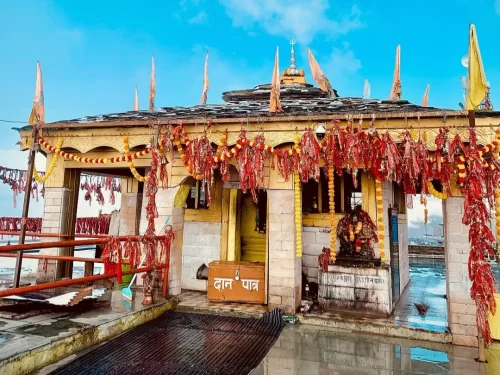
Kartik Swamy Temple in Rudraprayag, Uttarakhand adorned with red prayer flags and garlands, a sacred hilltop shrine included in Uttarakhand tour packages Temple

Kartik Swamy Temple

Kartik Swamy Temple is a Hindu temple dedicated to Lord Kartikeya (Murugan), located on a ridge near Kanakchauri village in Rudraprayag district, Uttarakhand, India.

Frequently Asked Questions About Rudranath Temple

Loved this place ? Let’s Plan Your Uttarakhand Trip

Get customized Uttarakhand tour planning designed around seasonal weather changes, hill road travel timing, pilgrimage flow, and comfort-based pacing. Whether you are visiting for spiritual journeys, Himalayan views, wildlife reserves, river valleys, or p

⚡ Quick Response | 💰 Free consultation | 🕒 24×7 expert support

×

Plan Your Trip