Quick Facts About Maa Mansa Devi Temple
| Entry Fee | Free |
| Timings | 06:00 - 21:00 |
| Altitude (m) | 700 |
| Ideal Visit Duration (hrs) | 2 |
| Best Time of Day | Morning |
| Crowd Level | High |
| Distance from City Centre (km) | 4 |
| Walking Difficulty | Moderate |
| Parking Available | Yes |
| Last Mile Access | Walk |
| Suitable for Kids | Yes |
| Suitable for Seniors | Yes |
| Wheelchair Friendly | No |
Why Visit Maa Mansa Devi Temple
Mansa Devi Temple is a must-visit spiritual destination in Haridwar, offering devotees a sacred place to seek blessings and fulfill their wishes. The temple is dedicated to Goddess Mansa, widely revered for granting protection, prosperity, and peace of mind. Visitors often come here for prayer, meditation, and the uplifting spiritual energy that fills the hilltop shrine.
The atmosphere at Mansa Devi Temple is serene and spiritually invigorating. Surrounded by lush greenery and overlooking the Ganges, the temple provides a panoramic view of Haridwar city, enhancing the sense of devotion and tranquility. The daily rituals and chants create a harmonious environment that resonates with peace and sacredness.
What makes Mansa Devi Temple special is its accessibility combined with its divine aura. Whether you take the cable car ride or trek up the hill, the journey itself offers scenic views and a spiritual experience. Festivals like Navratri add vibrant cultural energy, making the visit memorable for both devotees and tourists.
Religious Significance Maa Mansa Devi Temple
Mansa Devi Temple is one of the most revered shrines in Haridwar, dedicated to Goddess Mansa, the deity believed to fulfill wishes and grant protection from evils. The temple’s origin is rooted in Hindu mythology, where the goddess is worshipped as a manifestation of Shakti, the divine feminine energy.
Devotees believe that offering prayers at Mansa Devi Temple brings spiritual blessings and positive energy. The temple’s hilltop location overlooking the Ganges amplifies the sense of devotion and provides a serene setting for meditation, prayer, and reflection. It is also an important site during festivals like Navratri, when thousands of pilgrims gather to celebrate and participate in rituals.
Best Time to Visit Maa Mansa Devi Temple
The best time to visit Mansa Devi Temple is between September and March when the weather is pleasant and suitable for both trekking and cable car rides. These months offer clear skies, comfortable temperatures, and a serene environment for spiritual activities.
Avoid visiting during the monsoon season (July–August), as heavy rainfall can make the trekking path slippery and unsafe. Early mornings and evenings provide the most peaceful experience with fewer crowds.
- September to November: Clear skies, moderate temperatures, ideal for sightseeing and cable car rides.
- December to February: Cool weather with minimal crowds; perfect for peaceful darshan and panoramic views.
- March to June: Warm but comfortable weather; good for trekking and participating in rituals.
- July to August: Heavy rains; trekking paths become slippery, so caution is advised.
How to Reach Maa Mansa Devi Temple
- By Air: The nearest airport is Jolly Grant Airport in Dehradun, approximately 35 km from Mansa Devi Temple. Visitors can hire taxis or private cabs to reach the base of the hill.
- By Train: Haridwar Railway Station is about 4 km from the temple base. Auto-rickshaws, taxis, or cycle rickshaws can be used to reach the starting point of the cable car or trekking path.
- By Road: Mansa Devi Temple is well connected by road. Regular buses, shared taxis, and private vehicles can reach the base easily. From there, the temple is accessible via cable car or trekking.
- Cable Car: The convenient ropeway from the base of the hill takes visitors directly to the temple, providing scenic views of Haridwar and the
What to Expect When You Visit Maa Mansa Devi Temple
- Spiritual Ambiance: Visitors can expect a peaceful and devotional atmosphere, with prayers, chants, and offerings creating a serene environment atop the hill.
- Scenic Views: The temple offers panoramic views of Haridwar city, the Ganges River, and surrounding hills, making it ideal for photography and meditation.
- Cultural Experience: Witness traditional Hindu rituals and participate in offerings to Goddess Mansa. During festivals like Navratri, the temple comes alive with vibrant celebrations and large gatherings.
- Cable Car or Trek: Visitors can either take a scenic cable car ride for convenience or trek up the hill for a more immersive experience surrounded by nature.
- Moderate Crowds: Expect moderate to high visitor traffic during festivals and weekends. Early mornings are quieter, offering a more personal spiritual experience.
- Accessibility: The temple is reachable for most visitors, including families and seniors, although caution is advised on the trekking path during rains or slippery conditions.
Important Visitor Information Maa Mansa Devi Temple
- Crowd & Weather Notes: The temple is crowded during weekends, holidays, and festivals like Navratri. Weather is pleasant from September to March. Monsoon season (July–August) can make the trekking path slippery and challenging.
- Peak Hours: 10:00 AM – 04:00 PM and evenings during festivals; these times are busiest for darshan and cable car rides.
- Quiet Hours: Early morning (06:00 AM – 08:00 AM) is ideal for peaceful darshan, meditation, and photography with fewer visitors.
- Dress Code: Modest attire is recommended. Cover shoulders and legs when visiting the temple and while performing rituals. Comfortable shoes are advised for trekking or walking to the cable car.
- Safety Notes: Take care on the steps and trekking path, especially during rain. Supervise children and elderly visitors. Avoid overcrowded areas and do not attempt to climb on railings or unsafe zones for photos. Carry water and follow local guidance.
Photography and Viewpoint Maa Mansa Devi Temple
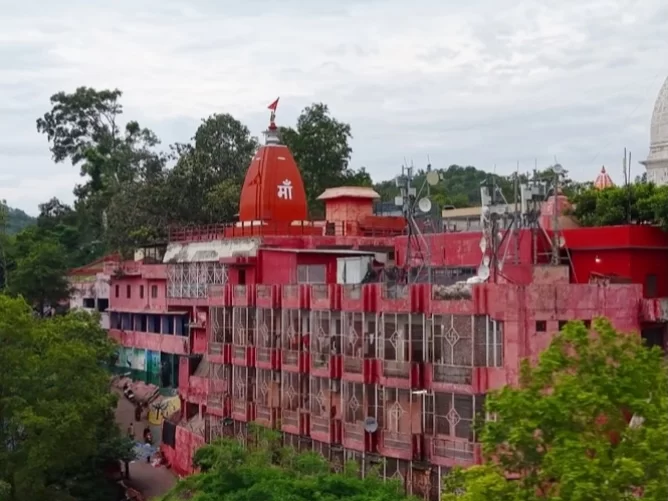
- Hilltop Views: The temple’s hilltop location provides panoramic views of Haridwar city, the Ganges River, and surrounding Himalayan foothills, making it perfect for landscape photography.
- Cable Car Perspectives: The ropeway offers unique aerial shots of the lush greenery, temple complex, and cityscape, ideal for wide-angle photography.
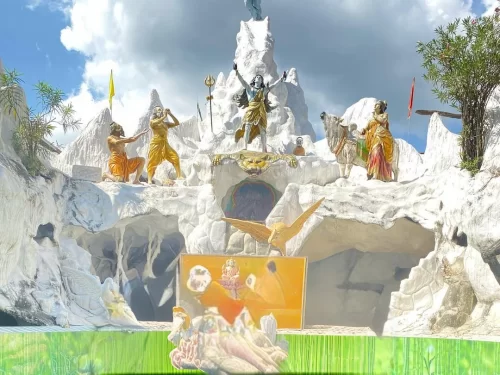
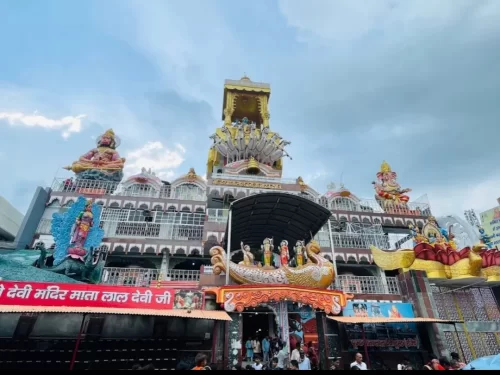
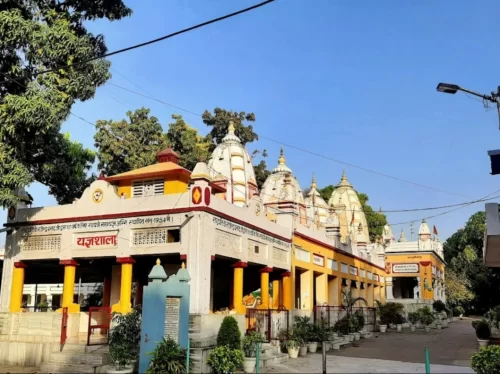
- Temple Architecture: Capture detailed images of the temple’s sacred structures, idol of Goddess Mansa, and traditional carvings, highlighting its spiritual and cultural significance.
- Festivals and Rituals: During Navratri or other religious events, the temple is decorated and vibrant, providing dynamic and colorful photography opportunities of rituals and celebrations.
- Lighting Tips: Early morning light provides soft, natural lighting for serene shots, while late afternoon and evening offer warm hues for dramatic photography, especially during sunset over the Ganges.
- Drone Photography: Not allowed within temple premises; aerial shots must follow local regulations to ensure safety and compliance with rules.