+91 9910402252
admin@chalbanjare.com


| Entry Fee | Free |
| Timings | 08:00 - 12:00, 14:00 - 18:00 |
| Altitude (m) | 314 |
| Ideal Visit Duration (hrs) | 1 |
| Best Time of Day | Morning |
| Crowd Level | Moderate |
| Distance from City Centre (km) | 5 |
| Walking Difficulty | Easy |
| Parking Available | Yes |
| Last Mile Access | Road |
| Suitable for Kids | Yes |
| Suitable for Seniors | No |
| Wheelchair Friendly | No |
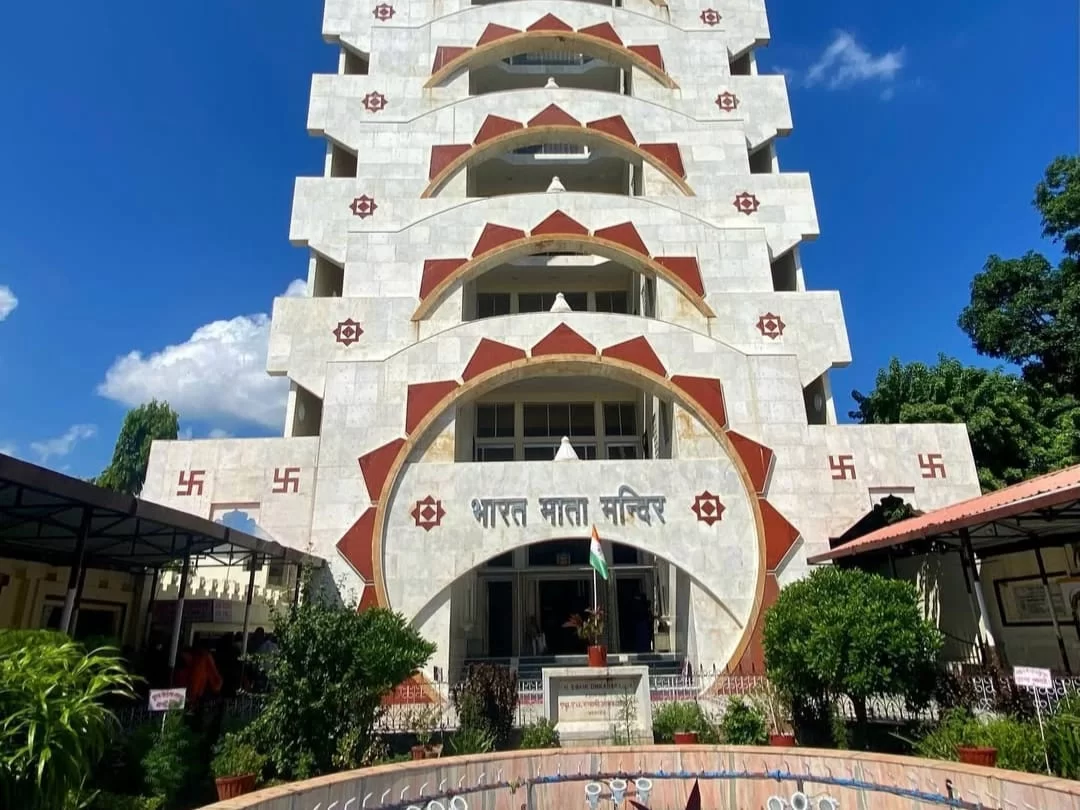
Bharat Mata Mandir is worth visiting if you want to understand India beyond ritual-based temple worship. This place focuses on national identity, history, and cultural respect rather than religious offerings. It is quiet, uncluttered, and allows you to walk at your own pace, making it a good stop for travelers who prefer thoughtful experiences over crowded darshan queues.
The atmosphere is calm and disciplined. Compared to Har Ki Pauri or Mansa Devi, there is very little noise or crowd pressure. Most visitors move silently between floors, reading plaques and observing exhibits. The temple feels more like a cultural museum with a spiritual tone rather than a conventional temple space.
What sets Bharat Mata Mandir apart is that it does not worship a god or goddess in idol form. Instead, the nation itself is revered as a mother figure. Each floor is dedicated to themes like Indian geography, freedom fighters, saints, and influential women, presented in a structured and educational way. This makes the visit meaningful for travelers interested in Indian history, students, and families looking for context-driven learning rather than ritual-based worship.
Bharat Mata Mandir was established in 1983 by Swami Satyamitranand Giri, a respected spiritual leader known for promoting national unity through cultural awareness. The temple was inaugurated by then Prime Minister Indira Gandhi, reflecting its importance as a national and educational landmark rather than a traditional place of worship.
The concept behind the mandir was to create a space where India itself is honored as a living entity. Instead of rituals or priest-led ceremonies, the structure was designed as a vertical narrative, with each floor highlighting different dimensions of the country such as geography, historical figures, saints, and social contributors. This approach made the mandir accessible to people across religious backgrounds.
Over the years, Bharat Mata Mandir has remained largely unchanged, retaining its original purpose as a place for reflection and learning. It has not undergone major commercial development, which helps preserve its calm environment and keeps the focus on its educational intent rather than tourism-driven activity.
Bharat Mata Mandir can be visited throughout the year, but the experience varies noticeably with seasons and crowd patterns in Haridwar. Since this is an indoor, walking-based visit with multiple staircases, comfort and crowd flow matter more than scenic conditions.
Because the mandir is not tied to ritual timings or ceremonies, there is no specific religious calendar advantage. Choosing a visit based on weather comfort and crowd avoidance offers the best overall experience.
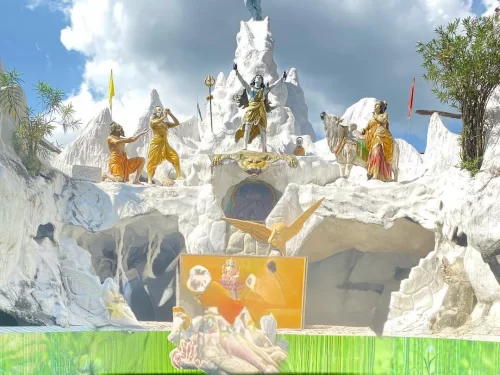 Temple
Bhuma Niketan is a Hindu temple complex located near Har Ki Pauri in Haridwar, Uttarakhand, India.
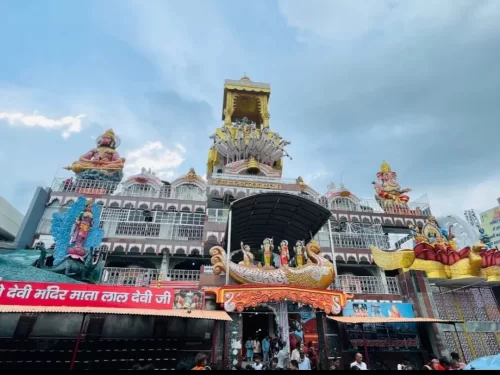 Temple
Vaishno Devi Temple, also known as Mata Lal Devi Ji Temple, is a Hindu temple located near the Haridwar–Rishikesh Road in Haridwar, Uttarakhand, India.
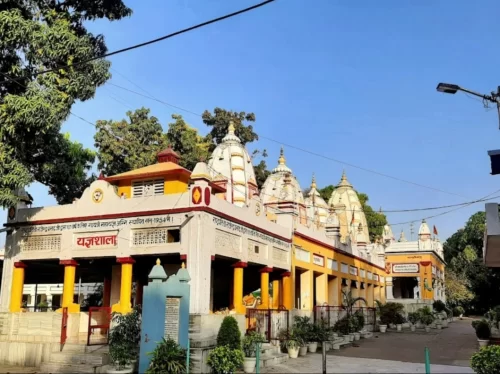 Ashram
Saptrishi Ashram is a Hindu ashram complex located on the banks of the Ganga River in Haridwar, Uttarakhand, India.
Get customized Uttarakhand tour planning designed around seasonal weather changes, hill road travel timing, pilgrimage flow, and comfort-based pacing. Whether you are visiting for spiritual journeys, Himalayan views, wildlife reserves, river valleys, or p
⚡ Quick Response | 💰 Free consultation | 🕒 24×7 expert support

