


Uttarakhand in January – Weather, Snowfall & Travel Guide
Plan a January trip to Uttarakhand with practical information on weather, snowfall, temperatures, road conditions, places to visit and winter activities.
+91 9910402252
admin@chalbanjare.com


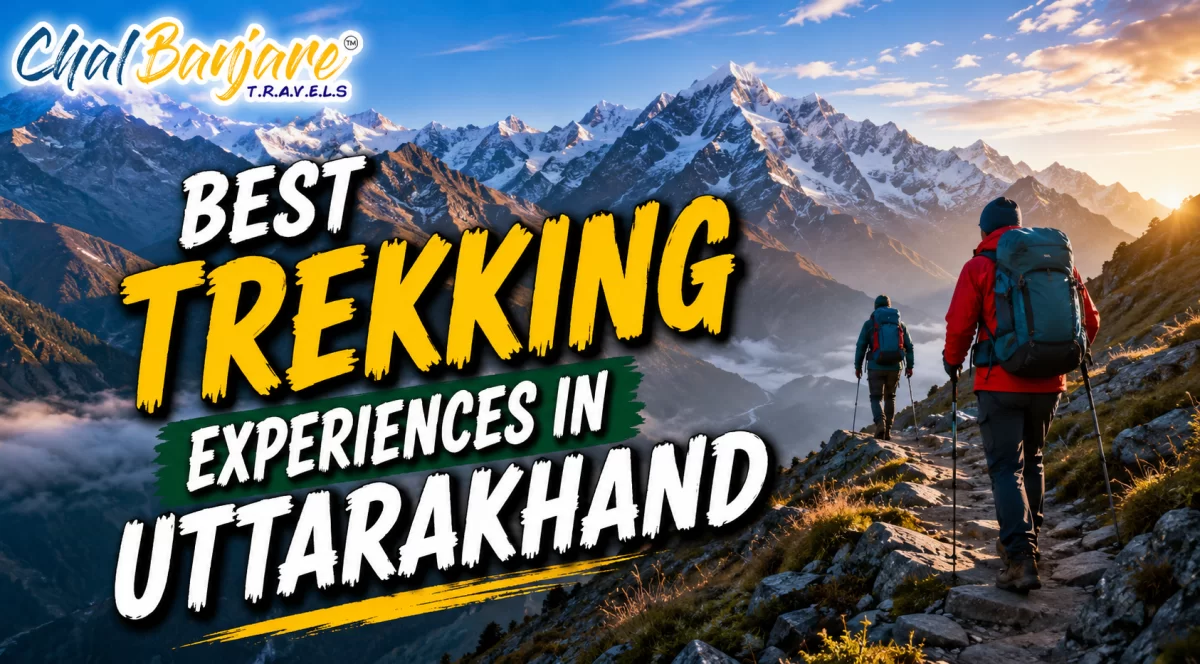
Uttarakhand is one of India’s premier trekking destinations, offering alpine meadows, glacial lakes, Himalayan peaks, forest trails, and routes suitable for both beginners and experienced trekkers.
Uttarakhand offers numerous trekking routes that are ideal for beginners who wish to experience the Himalayas without attempting technically demanding climbs. These trails combine moderate gradients, well-defined paths, beautiful landscapes, and manageable trekking distances, making them suitable for families, solo travelers, students, and first-time adventure enthusiasts. Easy treks allow participants to enjoy mountain scenery while gradually developing confidence for future Himalayan expeditions.
Popular beginner-friendly treks include Nag Tibba, Chopta to Tungnath, Chandrashila Summit, Deoria Tal, Khaliya Top, Kedarkantha during suitable conditions, Dayara Bugyal, and several village-based nature trails across Kumaon and Garhwal. These routes pass through forests, alpine meadows, streams, traditional villages, and panoramic viewpoints while introducing trekkers to the diverse landscapes of Uttarakhand.
Beginning with easier routes allows trekkers to understand mountain walking, changing weather, and altitude before progressing to longer or more demanding Himalayan expeditions. This gradual approach improves both safety and enjoyment throughout future trekking adventures.
Beginner treks in Uttarakhand showcase remarkable natural diversity without requiring advanced mountaineering skills. Forest trails lined with oak, pine, cedar, and rhododendron gradually lead to open alpine meadows where trekkers enjoy uninterrupted views of snow-covered Himalayan peaks. Streams, waterfalls, grazing pastures, and peaceful mountain villages create constantly changing scenery throughout these routes.
Seasonal variations further enhance every trek. Spring introduces colourful rhododendron blossoms, summer offers lush green landscapes, autumn provides exceptionally clear mountain visibility, while winter transforms selected trails into snow-covered routes suitable for guided trekking. This variety allows beginners to experience different Himalayan environments throughout the year.
Walking at a comfortable pace allows trekkers to appreciate changing landscapes while adapting gradually to higher elevations. Frequent rest stops at viewpoints also provide excellent opportunities for photography and nature observation.
Selecting an appropriate beginner trek depends on physical fitness, available travel time, preferred season, and personal interests. Shorter day hikes suit travelers with limited hiking experience, while overnight treks introduce camping and higher-altitude walking without excessive physical demands. Understanding trail length, elevation gain, and expected weather conditions before departure allows trekkers to choose routes that match their abilities.
Preparation should include comfortable trekking shoes, layered clothing, rain protection, sufficient drinking water, nutritious snacks, and a small backpack carrying essential personal items. Visitors should also begin walking regularly before their trip to improve endurance. Starting early each day maximises daylight while reducing exposure to afternoon weather changes common in Himalayan regions.
Careful preparation and realistic route selection allow first-time trekkers to experience Uttarakhand's spectacular Himalayan landscapes safely while building confidence for more advanced mountain adventures in the future.
Summit treks in Uttarakhand provide some of the most rewarding experiences for trekkers seeking panoramic Himalayan landscapes. Reaching a summit offers uninterrupted views of snow-covered peaks, glacier valleys, alpine meadows, dense forests, and distant mountain ranges stretching across Garhwal and Kumaon. Every summit rewards the physical effort of the climb with remarkable scenery that changes throughout the day as sunlight moves across the Himalayas.
Popular summit trekking destinations include Chandrashila, Kedarkantha, Nag Tibba, Kuari Pass viewpoints, Brahmatal summit sections, Khaliya Top, and several high ridges throughout Uttarkashi, Chamoli, and Pithoragarh districts. These routes differ in elevation, duration, and difficulty, allowing trekkers to choose summit experiences according to previous hiking experience and fitness levels.
Summit climbs often begin before sunrise so trekkers can reach the highest point during the best mountain lighting conditions. Early starts also help avoid afternoon weather changes common at higher elevations.
Beyond beginner summits, Uttarakhand offers more demanding trekking routes crossing high ridges, mountain passes, alpine meadows, rocky slopes, and glacier valleys. These challenging trails require greater endurance, careful pacing, and preparation because elevation increases significantly throughout the journey. Trekkers experience dramatic changes in terrain as forests gradually give way to alpine landscapes and expansive mountain views.
Longer summit expeditions often involve multiple trekking days, overnight camping, and continuous altitude gain. Remote environments provide exceptional natural beauty with fewer visitors, allowing experienced trekkers to explore some of the most spectacular Himalayan landscapes in northern India. Every route presents unique geological features, vegetation zones, and panoramic viewpoints shaped by the surrounding mountain environment.
Trekkers attempting longer summit routes should allow sufficient time for gradual altitude gain while maintaining comfortable walking speeds. Proper acclimatisation improves both safety and overall trekking enjoyment.
Summit trekking requires thoughtful preparation before entering higher Himalayan terrain. Physical fitness, cardiovascular endurance, leg strength, and regular walking practice significantly improve trekking comfort during long ascents. Visitors should also study route profiles, expected weather conditions, and seasonal accessibility before selecting a summit trek. Higher elevations experience rapidly changing temperatures and visibility, making flexible planning essential.
Essential equipment includes trekking shoes with reliable grip, layered clothing, waterproof outerwear, trekking poles where appropriate, sun protection, warm accessories, and sufficient drinking water. Monitoring weather forecasts before departure allows trekkers to avoid unnecessary exposure to adverse mountain conditions. Choosing experienced local guides for remote routes further enhances both safety and route navigation.
Proper preparation transforms summit trekking into one of Uttarakhand's most rewarding outdoor experiences. Combining physical readiness with responsible planning allows trekkers to safely enjoy breathtaking Himalayan panoramas while exploring the state's remarkable mountain landscapes.
Uttarakhand is home to some of the most spectacular alpine meadows in the Indian Himalayas, locally known as bugyals. These vast grasslands remain covered with lush green vegetation during summer and transform into snow-covered landscapes during winter. Alpine meadow treks combine gradual ascents, panoramic mountain views, colourful seasonal flowers, and peaceful open landscapes, making them some of the most rewarding trekking experiences in the state. Unlike dense forest trails, bugyals provide uninterrupted views of surrounding Himalayan peaks throughout much of the journey.
Among the most famous meadow destinations are Valley of Flowers National Park, Bedni Bugyal, Ali Bugyal, Dayara Bugyal, Gorson Bugyal, Panwali Kantha, and Kush Kalyan Bugyal. Each meadow offers a unique landscape shaped by altitude, local vegetation, nearby forests, and Himalayan ridgelines. During the flowering season, Valley of Flowers becomes internationally recognised for its remarkable alpine flora, while Bedni Bugyal and Ali Bugyal are celebrated for their vast rolling grasslands and panoramic mountain scenery.
Each alpine meadow changes dramatically with the seasons, offering completely different trekking experiences during spring, summer, autumn, and winter. Planning visits according to seasonal conditions allows trekkers to experience these landscapes at their finest.
High-altitude grasslands create some of Uttarakhand's most distinctive Himalayan landscapes. These open meadows develop above the forest line, where dense woodlands gradually give way to rolling alpine terrain surrounded by snow-covered mountain ranges. Walking through bugyals provides uninterrupted views in every direction, allowing trekkers to appreciate the scale of the surrounding Himalayas while enjoying peaceful natural environments.
Major Himalayan peaks including Nanda Devi, Trishul, Chaukhamba, Kamet, Panchachuli, Dunagiri, and Neelkanth become visible from many meadow trekking routes during clear weather. The absence of dense vegetation across the grasslands makes sunrise and sunset particularly impressive, with changing colours illuminating surrounding mountain ranges throughout the day. Wildlife sightings, grazing livestock, seasonal wildflowers, and alpine streams further enrich these trekking experiences.
Trekkers should spend time appreciating the open landscapes rather than rushing through the meadows. The broad Himalayan panoramas are among the defining features that make bugyal trekking unique within Uttarakhand.
Most alpine meadow treks begin in forested valleys before gradually climbing into open grasslands, creating remarkable landscape diversity throughout the journey. Dense oak, pine, cedar, and rhododendron forests provide shaded walking during the lower sections, while higher elevations reveal flowering meadows, alpine shrubs, rocky ridges, and panoramic mountain scenery. This continuous transition between ecosystems makes bugyal trekking visually rewarding from beginning to end.
Valley of Flowers offers perhaps the finest example of seasonal floral diversity, with hundreds of alpine plant species blooming during the monsoon months. Other meadow routes present different combinations of forests, grazing pastures, rivers, waterfalls, and traditional Himalayan villages. Every trail provides opportunities for photography, birdwatching, and peaceful outdoor exploration while showcasing the ecological richness of Uttarakhand's mountain landscapes.
Proper planning, suitable trekking equipment, and respect for these fragile alpine ecosystems ensure enjoyable and responsible exploration. Alpine meadow treks remain among Uttarakhand's most scenic outdoor experiences, combining natural beauty, biodiversity, and unforgettable Himalayan views.
Lake treks in Uttarakhand combine mountain hiking with the peaceful beauty of high-altitude water bodies surrounded by forests, alpine meadows, and snow-covered Himalayan peaks. These treks are especially rewarding because the lakes often remain hidden until the final stages of the journey, creating memorable moments as trekkers reach calm waters reflecting the surrounding mountains. Every lake has its own character, shaped by altitude, geography, local legends, and seasonal weather.
Popular lake trekking destinations include Deoria Tal, Dodital, Hemkund Sahib, Satopanth Tal, Vasuki Tal, Roopkund approach routes, and several smaller alpine lakes located across Garhwal and Kumaon. Some lakes require only short hikes suitable for beginners, while others involve demanding multi-day expeditions through remote Himalayan terrain. Together they represent some of Uttarakhand's most rewarding trekking experiences.
Every lake trek offers a different balance between accessibility, natural beauty, and physical challenge. Selecting a route that matches personal experience ensures a safer and more enjoyable Himalayan adventure.
Deoria Tal is one of Uttarakhand's most accessible and photogenic trekking destinations, famous for its calm waters reflecting the Chaukhamba mountain range during clear mornings. The relatively short approach trail makes it ideal for beginners and photographers seeking spectacular Himalayan scenery without undertaking strenuous trekking. Dodital offers a contrasting experience through dense forests before reaching a peaceful alpine lake surrounded by towering trees and mountain landscapes.
Higher-altitude lakes such as Satopanth Tal and Vasuki Tal introduce trekkers to more remote Himalayan environments where glacier valleys, rocky terrain, alpine meadows, and dramatic mountain ridges dominate the landscape. These lakes require greater preparation but reward experienced trekkers with remarkable solitude and extraordinary natural beauty far from busy tourist routes.
Morning visits often provide the clearest reflections across these mountain lakes before afternoon winds disturb the water surface. Spending sufficient time around the lake allows trekkers to fully appreciate the surrounding Himalayan scenery.
Lake treks are particularly appealing because they combine physical activity with opportunities for quiet nature observation. Forest trails, alpine meadows, rivers, waterfalls, and wildlife habitats create varied landscapes before the final destination is reached. Many trekkers find the peaceful atmosphere surrounding Himalayan lakes equally rewarding as the trekking journey itself, making these routes ideal for photographers, birdwatchers, and nature enthusiasts.
Responsible trekking is especially important around high-altitude lakes because these fragile ecosystems remain sensitive to environmental disturbance. Visitors should remain on designated trails, avoid littering, respect local customs where lakes have religious significance, and minimise their environmental impact throughout the journey. Such practices help preserve Uttarakhand's remarkable mountain lakes for future generations.
Combining careful preparation with responsible outdoor practices allows trekkers to experience Uttarakhand's beautiful Himalayan lakes safely while preserving these exceptional natural environments. Every lake trek offers a unique journey through forests, mountains, and peaceful landscapes that remain among the state's finest outdoor attractions.
High-altitude trekking in Uttarakhand offers experienced trekkers the opportunity to explore some of the most remote and dramatic landscapes in the Indian Himalayas. These routes climb well above the tree line into alpine terrain where glaciers, rocky ridges, mountain passes, snowfields, and high-altitude meadows dominate the scenery. Trekkers experience rapidly changing environments while travelling through valleys carved by ancient glaciers and surrounded by towering Himalayan peaks.
Some of Uttarakhand's most renowned high-altitude adventures include Kuari Pass, Roopkund approach trails, Satopanth Tal, Kalindi Khal, Milam Glacier, Pindari Glacier, Kafni Glacier, Sunderdhunga Valley, Nanda Devi East Base Camp region, and advanced expeditions across remote sections of Garhwal and Kumaon. These treks are designed for physically prepared participants who are comfortable with multi-day mountain journeys and changing weather conditions.
These expeditions reward careful preparation with extraordinary scenery that remains largely untouched by commercial tourism. Every route provides a different perspective of Uttarakhand's high Himalayan wilderness.
Remote Himalayan trekking introduces visitors to landscapes rarely experienced on lower-altitude trails. Thick forests gradually disappear as trekkers enter alpine meadows, rocky ridges, glacial moraines, snowfields, and mountain passes connecting isolated valleys. The absence of large settlements creates an atmosphere of wilderness where the natural environment dominates every stage of the journey.
High mountain passes such as Kuari Pass and Kalindi Khal reveal breathtaking panoramic views stretching across multiple Himalayan ranges. Glacier-fed rivers, frozen lakes, alpine flowers, and dramatic cliffs create constantly changing scenery while traditional seasonal shepherd settlements occasionally provide insight into mountain life. Wildlife including Himalayan birds and mountain mammals may also be encountered in suitable habitats throughout these remote regions.
Trekkers should move at a steady pace while allowing sufficient time to appreciate the changing mountain environments. High-altitude routes are as much about experiencing remote Himalayan landscapes as they are about reaching the final destination.
Preparation is essential before attempting high-altitude trekking because physical demands increase significantly above the tree line. Visitors should undertake regular cardiovascular exercise, strength training, and long-distance walking before their expedition. Gradual acclimatisation becomes increasingly important as elevation rises, allowing the body sufficient time to adjust naturally to reduced oxygen levels.
Trekkers should carry waterproof trekking boots, layered clothing, insulated jackets, gloves, thermal wear, trekking poles, sun protection, hydration systems, navigation equipment where appropriate, and emergency supplies. Weather in the higher Himalayas can change rapidly, bringing cold temperatures, snowfall, rain, or strong winds even during otherwise favourable trekking seasons. Monitoring forecasts and following experienced guides remain important throughout every expedition.
Careful planning, appropriate equipment, and gradual acclimatisation allow experienced trekkers to safely explore Uttarakhand's remarkable high-altitude landscapes. These challenging expeditions remain among the state's most rewarding outdoor adventures for those prepared to experience the true scale of the Himalayas.
Munsiyari is one of Kumaon's finest trekking destinations, offering spectacular Himalayan landscapes dominated by the Panchachuli mountain range. The region serves as the starting point for numerous treks ranging from short scenic walks to challenging glacier expeditions. Khaliya Top remains the most popular trekking destination near Munsiyari because it combines moderate difficulty with exceptional panoramic views, alpine meadows, and peaceful mountain surroundings.
Beyond Khaliya Top, experienced trekkers can explore routes leading towards Milam Glacier, Ralam Glacier, Namik Glacier, and the Johar Valley. These treks introduce visitors to traditional Himalayan villages, remote valleys, glacier-fed rivers, and high-altitude landscapes while showcasing the cultural heritage of the Kumaon Himalayas. Together these routes establish Munsiyari as one of Uttarakhand's premier trekking regions.
Whether choosing a short day trek or a longer expedition, Munsiyari provides extraordinary mountain scenery throughout every season while maintaining a peaceful atmosphere away from more crowded trekking destinations.
The trekking routes surrounding Munsiyari pass through dense forests of oak, pine, rhododendron, and birch before gradually opening into alpine meadows and high mountain ridges. Throughout the journey, trekkers enjoy magnificent views of the Panchachuli peaks, Nanda Devi East, Rajrambha, Hardeol, and numerous other Himalayan summits that dominate the skyline during clear weather.
Mountain streams, suspension bridges, waterfalls, terraced fields, and traditional settlements create constantly changing scenery along the trails. The peaceful environment allows trekkers to experience the natural beauty of Kumaon at a relaxed pace while observing seasonal changes in forests, wildlife, and alpine vegetation. Every route reveals a different aspect of the region's remarkable geographical diversity.
Trekkers should allow time to enjoy scenic viewpoints throughout the journey because many of Munsiyari's finest landscapes appear gradually as the trails gain elevation. Walking steadily and appreciating the surroundings enhances the overall trekking experience.
Trekking around Munsiyari provides a combination of natural beauty, cultural heritage, and genuine Himalayan wilderness. Routes often pass through villages where traditional Kumaoni lifestyles remain closely connected with mountain agriculture, seasonal migration, and local customs. Interactions with local communities, combined with dramatic landscapes, create experiences that extend beyond physical trekking alone.
The remote nature of many trails encourages responsible exploration and careful planning. Trekkers should carry sufficient supplies, respect local traditions, minimise environmental impact, and remain aware of changing mountain weather. Hiring knowledgeable local guides for longer routes also contributes to safer navigation while supporting community-based tourism across the region.
Munsiyari remains one of Uttarakhand's most rewarding trekking destinations because it successfully combines breathtaking Himalayan scenery with authentic cultural experiences and remote mountain exploration. Careful preparation allows visitors to safely enjoy the remarkable landscapes that define this exceptional region.
Valley and village trekking routes in Uttarakhand provide a unique opportunity to experience the Himalayas beyond famous summit trails. These routes combine natural beauty with traditional mountain settlements, allowing trekkers to walk through terraced farms, river valleys, forests, suspension bridges, and villages that have preserved their regional character for generations. Rather than focusing only on reaching high-altitude destinations, these treks emphasise slow exploration, cultural interaction, and appreciation of everyday Himalayan life.
Popular trekking regions include Har Ki Dun Valley, Johar Valley, Darma Valley, Byans Valley, Pindar Valley, Tons Valley, Mandal Valley, and numerous village circuits around Chopta, Munsiyari, Kausani, and Binsar. These landscapes reveal changing scenery throughout the journey, where forests gradually give way to cultivated fields, mountain rivers, traditional homes, and panoramic Himalayan viewpoints.
Walking through these valleys allows trekkers to experience the rhythm of mountain life while enjoying diverse Himalayan landscapes. Every route combines natural beauty with cultural heritage, creating journeys that are both scenic and meaningful.
Many traditional trekking routes in Uttarakhand were originally village footpaths connecting remote communities before modern roads reached the higher Himalayas. These historic trails continue to serve local residents while providing visitors with authentic trekking experiences across forests, streams, ridges, and agricultural landscapes. Walking these paths offers insight into how mountain communities have travelled, traded, and maintained cultural connections for generations.
Trekkers pass through villages where traditional farming, livestock grazing, seasonal migration, and local festivals remain closely connected to the surrounding environment. Stone pathways, wooden bridges, ancient temples, water mills, and village squares add cultural richness to the journey while reflecting the long history of Himalayan settlement. Unlike purely wilderness treks, village routes provide regular opportunities to observe daily life and interact respectfully with local communities.
Respecting local customs, asking permission before photographing residents, and supporting locally operated accommodation and guides contribute to responsible village tourism while helping preserve these traditional Himalayan communities.
Village trekking offers a slower and more immersive travel experience than many high-altitude expeditions. Trekkers enjoy fresh mountain air, quiet surroundings, local cuisine, seasonal farming activities, and beautiful Himalayan scenery while spending time in communities where traditional lifestyles continue to shape everyday life. Forest walks, riverside trails, village temples, grazing pastures, and scenic viewpoints create a balanced combination of culture and nature throughout the journey.
Every season presents a different atmosphere across these trekking routes. Spring brings flowering forests, summer offers green valleys and agricultural activity, autumn provides exceptionally clear mountain views, while winter transforms selected villages into peaceful snow-covered landscapes. These seasonal changes ensure that valley and village treks remain attractive throughout much of the year while offering unique experiences during every visit.
Valley and village trekking remains one of Uttarakhand's most rewarding experiences for travelers seeking both natural beauty and cultural authenticity. These journeys reveal the close relationship between Himalayan communities and their surrounding landscapes while offering peaceful exploration beyond the state's more famous trekking routes.
Uttarakhand's trekking routes provide outstanding photography opportunities from the moment the journey begins until the final destination is reached. Every stage of the trail presents changing compositions featuring forests, rivers, waterfalls, alpine meadows, snow-covered mountains, traditional villages, and dramatic Himalayan skylines. Rather than concentrating only on summit viewpoints, photographers can capture the complete story of the trek through its diverse landscapes and natural environments.
Treks such as Valley of Flowers, Kedarkantha, Kuari Pass, Har Ki Dun, Dayara Bugyal, Khaliya Top, Brahmatal, Deoria Tal, and Gorson Bugyal each offer unique photographic subjects. Dense forests create beautiful foregrounds, while open ridges reveal sweeping mountain panoramas extending across Garhwal and Kumaon. The changing terrain ensures that every trekking day introduces new photographic possibilities.
Photographers should allow additional time at major viewpoints because mountain lighting changes rapidly throughout the day. Walking slowly often reveals compositions that are easily overlooked during faster-paced trekking.
Sunrise is widely considered the finest time for Himalayan photography because early morning light gradually illuminates snow-covered peaks with warm golden and orange tones. High ridges, alpine meadows, and campsites often provide unobstructed eastern views where trekkers can witness changing colours spreading across mountain ranges. Clear autumn mornings and fresh winter landscapes are especially valued for their exceptional visibility.
Seasonal changes create entirely different photographic opportunities across the same trekking routes. Spring introduces rhododendron forests and colourful alpine flowers, summer brings lush valleys and green meadows, autumn offers crisp mountain panoramas, while winter transforms forests, lakes, and bugyals into dramatic snow-covered landscapes. Every season provides unique colours, textures, and lighting conditions for landscape photography.
Starting early before sunrise allows photographers to prepare equipment and select compositions before the best lighting appears. Remaining patient often rewards trekkers with spectacular mountain scenery throughout changing weather conditions.
The greatest advantage of trekking photography is the continuous variety encountered along the trail. Forest paths, rocky ridges, river crossings, suspension bridges, alpine grasslands, glacier valleys, and mountain villages all contribute different visual elements within a single expedition. Rather than focusing exclusively on famous viewpoints, trekkers can document the complete Himalayan journey through details found along every stage of the route.
Responsible photography is equally important while trekking. Visitors should remain on designated trails, avoid disturbing wildlife, respect local communities, and leave fragile alpine environments undisturbed. Carrying weather protection for cameras, spare batteries, and lightweight equipment helps photographers remain prepared for changing mountain conditions without adding unnecessary weight during long trekking days.
Trekking photography allows visitors to record not only spectacular mountain scenery but also the complete experience of exploring Uttarakhand's Himalayan landscapes. Every trail offers countless opportunities to create memorable images while appreciating the state's remarkable natural diversity.
Nature lovers visiting Uttarakhand will find an extraordinary variety of trekking destinations where forests, rivers, alpine meadows, waterfalls, mountain streams, glaciers, and wildlife habitats combine to create unforgettable Himalayan experiences. Unlike summit-focused expeditions, these trekking routes emphasise immersion in the natural environment, allowing visitors to observe changing ecosystems, seasonal vegetation, birds, and wildlife while walking through some of northern India's most beautiful landscapes.
Popular destinations include Valley of Flowers National Park, Har Ki Dun, Dayara Bugyal, Kuari Pass, Gorson Bugyal, Binsar Wildlife Sanctuary trails, Kedarkantha forests, Khaliya Top, Pindari Glacier, Dodital, and Deoria Tal. Each region showcases a different combination of landscapes ranging from dense oak and rhododendron forests to open alpine grasslands and glacier-fed valleys, ensuring remarkable biodiversity throughout every trek.
Every trekking destination highlights a different aspect of Uttarakhand's natural heritage. Exploring multiple ecosystems during the same journey allows visitors to appreciate the remarkable environmental diversity that defines the Himalayas.
Many of Uttarakhand's most rewarding nature trails remain far from heavily visited tourist centres, offering peaceful surroundings where trekkers can fully appreciate mountain silence and natural beauty. These quieter routes pass through remote forests, traditional villages, alpine meadows, river valleys, and high ridges where the sounds of flowing water, birds, and mountain winds replace the activity of busy destinations. Such environments create ideal conditions for slow travel and meaningful outdoor exploration.
Regions around Munsiyari, Darma Valley, Johar Valley, Mandal, Panwali Kantha, Namik Glacier, and lesser-known Bugyals provide opportunities to experience Himalayan landscapes with comparatively fewer visitors. These areas often preserve rich biodiversity while allowing trekkers to spend longer periods observing forests, rivers, flowers, and mountain wildlife without distractions.
Choosing quieter trekking destinations allows visitors to experience Uttarakhand's natural landscapes at a slower pace while minimising environmental pressure on heavily visited locations. Respect for local communities and wildlife further enhances these peaceful journeys.
Trekking provides one of the most complete ways to experience Uttarakhand's natural landscapes because every stage of the journey reveals different ecosystems and geological features. Dense forests gradually lead into alpine grasslands, glacier valleys, rocky ridges, waterfalls, mountain lakes, and panoramic Himalayan viewpoints. Seasonal changes continually transform these environments, ensuring that the same route offers different experiences during spring, summer, autumn, and winter.
Responsible trekking helps preserve these fragile mountain ecosystems for future generations. Visitors should remain on marked trails, avoid disturbing wildlife, carry reusable water bottles, minimise waste, and support local guides and community-operated accommodation wherever possible. Such practices allow travelers to enjoy Uttarakhand's exceptional natural beauty while contributing to long-term conservation across the Himalayan region.
Nature-focused trekking reveals the remarkable ecological diversity of Uttarakhand while encouraging responsible exploration. Every journey through forests, rivers, alpine meadows, and mountain valleys offers lasting memories of one of India's richest Himalayan landscapes.
Selecting the right trekking route is the foundation of a successful Himalayan adventure. Uttarakhand offers everything from short beginner-friendly walks and village treks to challenging glacier expeditions and high-altitude mountain passes. First-time trekkers generally enjoy routes such as Nag Tibba, Deoria Tal, Chopta to Tungnath, Khaliya Top, and Dayara Bugyal, while experienced trekkers may prefer Kuari Pass, Satopanth Tal, Pindari Glacier, Milam Glacier, or other demanding Himalayan expeditions.
Seasonal conditions also influence route selection. Spring brings blooming forests, summer opens alpine meadows and high-altitude valleys, autumn offers exceptional mountain visibility, while winter transforms selected trekking destinations into snow-covered landscapes. Choosing routes that match both experience and seasonal conditions allows trekkers to enjoy Uttarakhand safely while experiencing the region at its best.
Thoughtful route selection improves safety, comfort, and overall enjoyment. Matching personal expectations with realistic trekking objectives creates a far more rewarding Himalayan experience.
Many trekking routes require careful logistical planning before departure. Certain protected areas, national parks, wildlife sanctuaries, or border regions may require permits or visitor registration. Trekkers should verify local regulations, accommodation availability, transportation schedules, and weather forecasts well before travelling. Hiring experienced local guides for remote or high-altitude routes improves navigation and provides valuable knowledge of current trail conditions.
Essential trekking equipment includes comfortable trekking shoes, layered clothing, waterproof jackets, backpacks, trekking poles where appropriate, headlamps, reusable water bottles, sun protection, first-aid supplies, and nutritious food. Physical preparation through regular walking, endurance exercises, and strength training significantly improves comfort during longer Himalayan treks.
Well-organised preparation reduces unnecessary challenges during the trek and allows visitors to concentrate on enjoying Uttarakhand's remarkable mountain landscapes. Good planning also contributes significantly to trekking safety.
A complete trekking checklist helps ensure both comfort and safety throughout the journey. Visitors should carry suitable clothing for changing temperatures, sufficient drinking water, energy-rich snacks, navigation tools where required, identification documents, essential medicines, and emergency contact information. Trekkers should also inform family members or accommodation providers about their planned route and expected return schedule before beginning remote expeditions.
Responsible trekking practices remain equally important throughout the Himalayas. Visitors should avoid littering, remain on designated trails, respect local customs, minimise noise in wildlife habitats, and support environmentally responsible tourism. By combining careful preparation with responsible behaviour, trekkers help preserve Uttarakhand's natural and cultural heritage while enjoying unforgettable Himalayan adventures.
Uttarakhand offers one of India's richest collections of trekking experiences, from peaceful forest walks to challenging high-altitude expeditions. Careful planning, proper equipment, physical preparation, and respect for mountain environments allow every trekker to experience the beauty of the Himalayas safely while creating lasting memories across the state's extraordinary landscapes.


Get customized Uttarakhand tour planning designed around seasonal weather changes, hill road travel timing, pilgrimage flow, and comfort-based pacing. Whether you are visiting for spiritual journeys, Himalayan views, wildlife reserves, river valleys, or p
⚡ Quick Response | 💰 Free consultation | 🕒 24×7 expert support