All you need to know about Uttarakhand

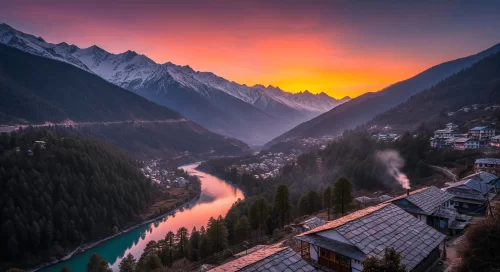
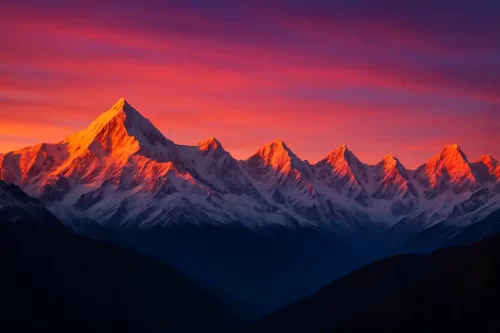
Uttarakhand is a Himalayan state shaped by river valleys, forested hills, snow-clad peaks, and high-altitude pilgrimage routes. Elevation varies widely, so climate and travel conditions change significantly between lower foothills and upper mountain zones. The state attracts both nature-focused travelers and spiritual visitors, with journeys often centered around mountain roads, trekking trails, and river corridors.

Seasonal planning is important due to monsoon rainfall and winter snow in higher regions. Uttarakhand suits travelers seeking a mix of outdoor exploration, mountain landscapes, traditional culture, and slower-paced stays in cooler environments.

What Makes Uttarakhand a Unique Travel Region

Uttarakhand is a Himalayan state where spiritual heritage and mountain geography intersect closely. River origins, glacier-fed valleys, forested hills, and pilgrimage towns define much of the landscape. Travel here often follows river routes and mountain roads leading to temples, trekking bases, and wildlife zones. Unlike purely leisure hill destinations, Uttarakhand combines pilgrimage circuits, adventure trails, and quiet mountain retreats within the same region. The rhythm of travel changes with altitude—from foothill towns to high Himalayan valleys—offering both accessible journeys and demanding mountain exploration.

  • Geography: River valleys, forested hills, glacier zones, and high Himalayan peaks.
  • Culture: Strong pilgrimage traditions blended with Garhwali and Kumaoni mountain heritage.
  • Travel vibe: Spiritual, nature-focused, adventure-ready, and seasonally sensitive.
  • Distinct experience type: Temple circuits, Himalayan trekking routes, river-based journeys, and wildlife exploration.

Types of Destinations You’ll Find in Uttarakhand

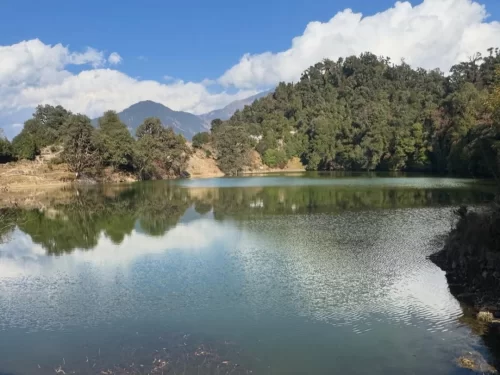
  • Himalayan hill regions with snow peaks, river valleys, and forested slopes
  • Spiritual pilgrimage zones centered around ancient temples and river ghats
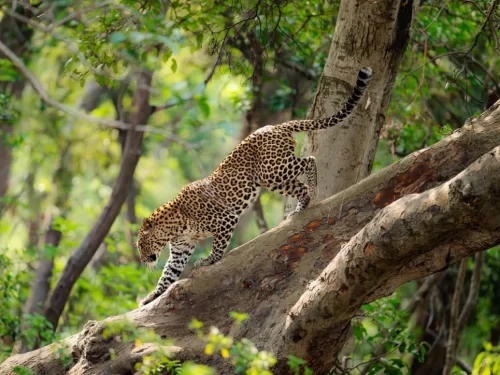
  • Protected national parks and wildlife reserves across diverse altitudes
  • High-altitude trekking corridors with glaciers and alpine meadows
  • Remote mountain villages preserving traditional Garhwali and Kumaoni culture

Types of Destinations You’ll Find in Uttarakhand

  • Himalayan hill regions with snow peaks, river valleys, and forested slopes
  • Spiritual pilgrimage zones centered around ancient temples and river ghats
  • Protected national parks and wildlife reserves across diverse altitudes
  • High-altitude trekking corridors with glaciers and alpine meadows
  • Remote mountain villages preserving traditional Garhwali and Kumaoni culture

Best Time to Travel to Uttarakhand

The best time to travel to Uttarakhand depends on whether you prefer pleasant hill weather, clear Himalayan views, or a cool mountain retreat with seasonal charm.

Season Months Weather Conditions Travel Suitability
Spring March to May Mild temperatures, blooming forests, and comfortable daytime weather Highly suitable for sightseeing, nature experiences, and enjoying clear mountain scenery
Summer June to September Cooler hill climate with refreshing air and seasonal rainfall Ideal for travelers seeking relief from heat and enjoying green landscapes with moderate temperatures
Autumn October to November Crisp air, stable weather, and sharp Himalayan visibility Well suited for peaceful travel, photography, and comfortable outdoor exploration
Winter December to February Cold weather with snowfall in higher altitudes and chilly evenings Best for travelers who appreciate snow-covered scenery and a quieter mountain atmosphere

How Many Days Do You Need to Explore Uttarakhand

Trip Duration What You Can Experience Best For
5–6 Days A focused mountain retreat covering hill landscapes, forest drives, riverside settings, and spiritual or cultural experiences at a steady and comfortable pace. Short vacations where travelers want fresh air, scenic relaxation, and manageable travel distances.
7–9 Days A balanced journey across varied terrain including mid-altitude hills, wildlife zones, and panoramic viewpoints with enough time to avoid back-to-back long drives. Families and couples looking for diversity without rushing between regions.
10–12 Days A more immersive experience exploring different climatic zones, traditional mountain life, and extended scenic routes with buffer time for weather changes. Nature-focused travelers and those who prefer slower transitions between destinations.
13–15 Days A comprehensive and relaxed exploration covering remote valleys, higher altitude regions, and optional soft adventure activities with flexibility built into the schedule. Slow travelers and explorers seeking depth, landscape diversity, and cultural understanding.

How Travelers Usually Explore Uttarakhand

Travelers usually enter Uttarakhand via Dehradun’s Jolly Grant Airport, Haridwar Railway Station, or Kathgodam Railway Station, depending on whether they plan to explore Garhwal or Kumaon. Haridwar and Rishikesh act as starting points for Char Dham and higher Himalayan routes, while Nainital and Almora serve as bases in Kumaon. Travel pacing is shaped by mountain roads, seasonal closures, and pilgrimage schedules. Most trips are planned region-wise rather than covering the entire state in one itinerary.

  • Road Travel: Primary mode of exploration; private vehicles and state-run buses connect hill towns and pilgrimage routes.
  • Rail: Haridwar and Kathgodam are key railheads; no railway network exists in the interior mountain regions.
  • Local Transport: Shared jeeps, taxis, and local buses operate in hill districts; self-drive requires comfort with steep terrain.
  • Day Trips vs Circuits: Nainital and Rishikesh support day excursions, while Char Dham, Valley of Flowers, and Munsiyari require multi-day circuits.

Culture, Food & Everyday Life in Uttarakhand

Life in Uttarakhand moves in rhythm with mountains, forests, and pilgrimage routes. Steep terrain and scattered settlements have shaped a culture of self-reliance and strong community interdependence, especially in farming and seasonal livelihoods. The climate ranges from subtropical foothills to alpine zones, so daily routines shift with altitude and weather patterns. Social behavior is generally modest and respectful, with spirituality influencing everyday conduct beyond formal religious practice. Food habits are practical and locally rooted — grains, lentils, forest produce, and simple preparations designed to provide steady nourishment in physically demanding landscapes. The overall pace feels grounded and purposeful; travelers often experience a blend of spiritual quietness and rural authenticity that encourages slower observation and deeper connection with surroundings.

  • Mountain-shaped, self-reliant lifestyle
  • Spiritually influenced everyday conduct
  • Simple, nourishing hill food traditions
  • Calm, reflective pace balanced with hard work

Festivals & Seasonal Travel Experiences in Uttarakhand

Season Festival / Experience Type Travel Atmosphere
Spring (March–April) Phool Dei festival, Char Dham route preparation season Pleasant weather in hill towns like Mussoorie and Nainital, blooming forests, gradual tourist increase before peak pilgrimage months.
Summer (May–June) Char Dham Yatra, peak hill station travel High pilgrimage movement toward Kedarnath and Badrinath, busy roads in Rishikesh and Haridwar, cool mountain climate compared to plains.
Monsoon (July–September) Valley of Flowers bloom season Lush green valleys, frequent rainfall in Garhwal and Kumaon regions, landslide-prone mountain roads, fewer leisure tourists outside pilgrimage routes.
Autumn (October–November) Post-monsoon trekking season, Nanda Devi Raj Jat (periodic) Clear Himalayan views, stable road access, ideal trekking conditions in Kedarkantha and Chopta, balanced tourist flow.
Winter (December–February) Snow season in Auli, winter treks Snowfall in higher elevations, skiing activity in Auli, limited access to high-altitude temples, quieter hill stations with cold temperatures.

Travel Conditions, Weather & Practical Tips for Uttarakhand

  • Weather varies strongly by elevation. Plains like Haridwar and Rishikesh are warm in summer, while hill stations such as Mussoorie and Nainital stay cooler. High-altitude regions like Kedarnath, Badrinath, and Valley of Flowers experience sudden temperature drops and unpredictable rain.
  • Monsoon season (July to September) brings heavy rainfall across the Garhwal and Kumaon hills, increasing the risk of landslides and road blockages. Travel buffers are important during this period.
  • High-altitude pilgrimage routes and treks may cause fatigue or breathlessness, especially above 3,000 meters. Gradual ascent, hydration, and avoiding overexertion help reduce discomfort.
  • Mobile connectivity is stable in major towns, but remote trekking areas and upper Himalayan regions have weak or no signal. Internet speeds may be limited outside urban centers.
  • Packing should include layered clothing year-round, a light woolen even in summer, sturdy walking shoes, rain protection during monsoon, and basic medicines. Early mornings and evenings in hill areas are usually colder than expected.

Is Uttarakhand Right for Your Travel Style?

  • Families: Suitable for families seeking hill stations like Nainital and Mussoorie, wildlife safaris in Jim Corbett, and light spiritual visits to Haridwar and Rishikesh. Mountain roads can be winding, so balanced itineraries are recommended.
  • Couples: Ideal for peaceful mountain stays, riverside retreats, and scenic Himalayan views in places like Auli or Chopta. Best for nature-focused and slow travel experiences.
  • Seniors: Comfortable in lower-altitude destinations such as Rishikesh and Dehradun. Char Dham routes and higher Himalayan regions require physical preparedness and medical consideration.
  • Adventure Seekers: Strong fit for trekking (Valley of Flowers, Kedarkantha), white-water rafting in Rishikesh, skiing in Auli, and camping in alpine meadows.
  • Solo Travellers: Popular among spiritual seekers, trekkers, and backpackers. Good hostel culture in Rishikesh and Mussoorie, with safe and community-driven travel environments.

Explore - Place to Visit, Activity to do & Food to try

Moila Top in Chakrata, Uttarakhand with rolling green meadows and dense pine forests under misty skies, a peaceful trekking destination included in Uttarakhand tour packages Tourist Attraction

Moila Top

Moila Top is a forested ridge and trekking destination located near Chakrata in Dehradun district, Uttarakhand, India.

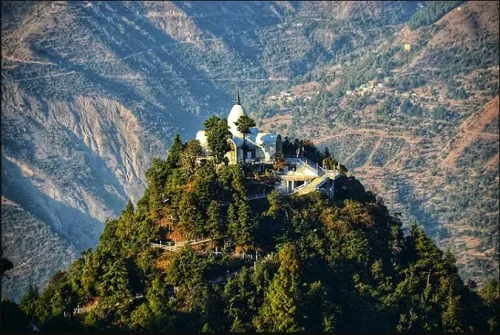
Maa Surkanda Devi Temple at Dhanaulti during dramatic clouds, featuring multi-tier pagoda, golden Om symbol and pillars, perfect spiritual experience in Uttarakhand tour package. Temple

Surkanda Devi Temple

Surkanda Devi Temple is a hilltop Hindu temple dedicated to Goddess Surkanda Devi, located near Kanatal in Tehri Garhwal district, Uttarakhand, India.

Yamunotri Dham Uttarakhand sacred Char Dham temple dedicated to Goddess Yamuna in Garhwal Himalayas Pilgrimage Site

Yamunotri Dham

Yamunotri Dham Barkot Travel Guide Sacred Pilgrimage Site and Origin of Yamuna River

Giant Swing two adventure seekers suspended midair on a high swing ride overlooking misty green hills and forest landscape.
Price: ₹3,000 – ₹4,000 PP
Rishikesh
Giant Swing
Skiing adventure with a skier carving through deep powder snow on a mountain slope, creating a dramatic spray of snow.
Price: ₹1,500 – ₹4,500 PP
Auli
Skiing
Rappelling adventure as climber descends a steep rocky cliff using safety ropes and harness.
Price: ₹800 – ₹2,000 PP
Uttarkashi
Rappelling
Bhaang ki Chutney in earthy stone-ground green paste with chili and garlic garnish, authentic Indian chutney, rustic Indian cuisine delight.
Bhang ki Chutney
Bhang ki Chutney is a tangy, nutty Uttarakhandi condiment made from roasted hemp seeds blended with fresh mint and lemon.
Baadi, traditional Uttarakhand millet dough ball, served warm with ghee poured on top, rustic mountain comfort food.
Baadi
Baadi is a traditional Garhwali dish made by cooking finger millet (Mandua) flour in boiling water to create a dense, nourishing porridge-like meal.
Phaanu in thick lentil curry topped with crisp fritters and green chilies, authentic Indian Garhwali cuisine with hearty comforting flavors.
Phaanu
Phaanu is the high-protein "soul food" of the Garhwal Himalayas. A thick, velvety legume stew, it is a testament to the ingenuity of mountain cooking, where simple lentils are transformed into a dense, energy-giving meal designed to combat the biting Himalayan cold.

Frequently Asked Questions

Uttarakhand is known for its Himalayan landscapes, spiritual heritage, sacred rivers, forests, and peaceful mountain environments.
Uttarakhand offers a nature- and spirituality-focused travel experience centered on mountains, forests, rivers, and reflective journeys.
Uttarakhand includes hill regions, high-altitude areas, forest zones, river valleys, pilgrimage belts, and culturally significant landscapes.
Signature travel themes include spiritual journeys, mountain travel, nature exploration, wellness retreats, and slow-paced experiences.
Yes, Uttarakhand is one of India?s most important states for spiritual and pilgrimage travel, deeply connected to sacred traditions.
Uttarakhand is well known for its forests, rivers, mountain scenery, and protected natural areas, making it ideal for nature-focused travel.
The cultural identity of Uttarakhand is shaped by mountain traditions, folk culture, spiritual practices, and close ties to nature.
Uttarakhand celebrates traditional festivals linked to religious beliefs, seasonal cycles, and regional customs.
The best time to visit Uttarakhand is from March to June and from September to November, depending on travel goals and altitude.
An ideal Uttarakhand trip usually requires 7 to 12 days to explore multiple regions at a comfortable pace.
Travel within Uttarakhand is mainly by road, with mountainous terrain requiring careful route planning and flexible schedules.
Uttarakhand is suitable for family travel, offering safe environments, nature experiences, and spiritual destinations.
Uttarakhand suits travelers seeking peace, spirituality, nature, wellness, and meaningful mountain experiences.
Yes, Uttarakhand is well suited for wellness and retreat-based travel due to its calm environment and natural surroundings.
Uttarakhand offers accommodations including hill resorts, hotels, guesthouses, homestays, eco-stays, and budget lodges.
Uttarakhand is generally safe for tourists when travel is planned responsibly and weather conditions are respected.
Yes, Uttarakhand is ideal for slow travel, allowing visitors to connect deeply with nature and spirituality.
Uttarakhand is often combined with nearby northern states for extended mountain and cultural journeys.
Uttarakhand can be busy during peak pilgrimage and summer seasons, while off-season travel offers quieter experiences.
Travelers choose Uttarakhand for its spiritual depth, Himalayan beauty, natural serenity, and balanced blend of culture and nature.

Loved this place ? Let’s Plan Your Uttarakhand Trip

⚡ Quick Response | 💰 Free consultation | 🕒 24×7 expert support

×

Plan Your Trip