+91 9910402252
admin@chalbanjare.com


| Entry Fee | 25 |
| Timings | 08:00 - 18:00 |
| Altitude (m) | 123 |
| Ideal Visit Duration (hrs) | 3 |
| Best Time of Day | Morning |
| Crowd Level | High |
| Distance from City Centre (km) | 3 |
| Walking Difficulty | Moderate |
| Parking Available | Yes |
| Last Mile Access | Road |
| Suitable for Kids | Yes |
| Suitable for Seniors | Yes |
| Wheelchair Friendly | No |
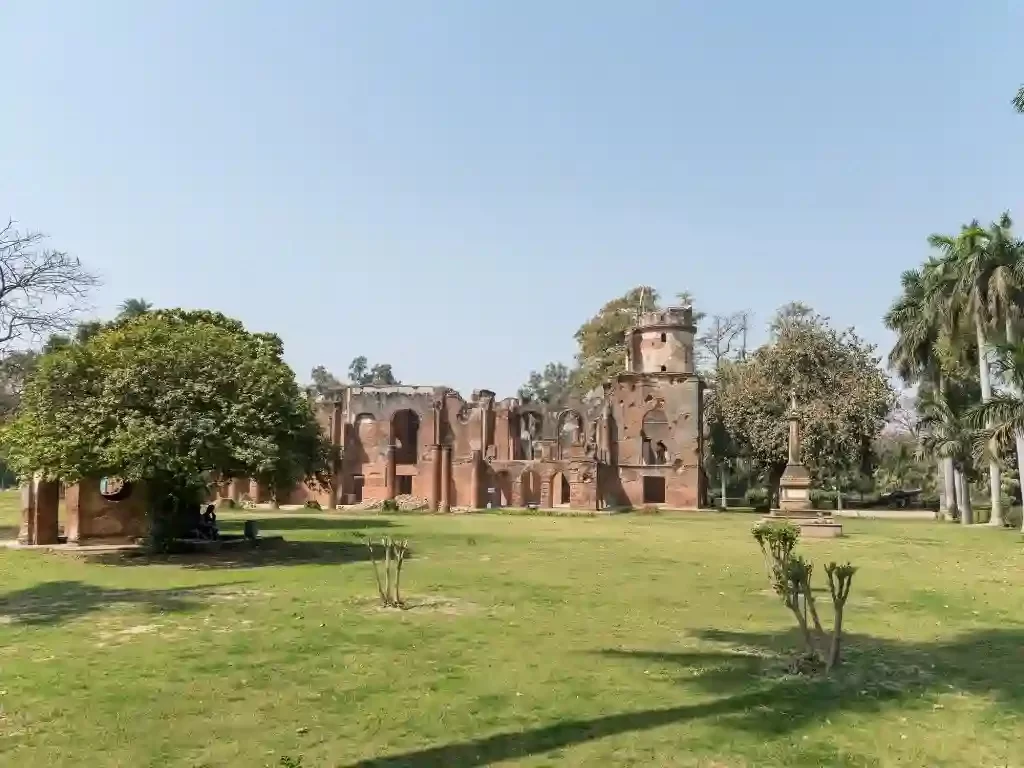
The Residency in Lucknow is one of the most important historical monuments in India and a must-visit attraction for anyone interested in colonial history and the Revolt of 1857. This heritage site is famous for its ruins that still carry visible marks of cannon fire and battle damage, making it a powerful reminder of the struggle that took place during the First War of Independence. Visiting The Residency gives tourists an opportunity to witness real historical remains and understand the intense events that shaped Lucknow’s past.
The atmosphere of The Residency is peaceful yet deeply emotional. The quiet gardens and old ruined structures create a reflective environment, where visitors can feel the seriousness of history. Walking through the broken walls, collapsed buildings, and memorial areas gives a unique experience that is very different from typical sightseeing spots. The open green space, tall trees, and silent ruins make it an ideal place for history lovers, students, photographers, and travelers who enjoy heritage exploration.
What makes The Residency truly special is its unmatched connection with the Siege of Lucknow (1857), one of the most dramatic events of India’s freedom struggle. The monument includes historical ruins, cemeteries, and a museum that preserves artifacts, documents, and stories from the British era. The Residency is not just a monument, but a living symbol of sacrifice, bravery, and history, making it one of Lucknow’s most iconic and meaningful tourist attractions.
The Residency in Lucknow is one of the most historically significant colonial-era monuments in India. It was originally built in the late 18th century as the official residence of the British Resident General, who represented the East India Company in the court of the Nawabs of Awadh. The Residency complex included residential buildings, administrative offices, and supporting facilities, making it an important political centre during British rule in Lucknow.
The Residency gained worldwide recognition during the Revolt of 1857, when it became the main site of the famous Siege of Lucknow. During this period, British officials, soldiers, and civilians took shelter inside the Residency complex while being surrounded by Indian rebels for several months. The siege resulted in heavy destruction, and many buildings were severely damaged by cannon fire. Even today, the walls and structures still show visible marks of bullets and bombardment, making the monument a powerful witness to the events of 1857.
After the revolt, the Residency was abandoned and left in ruins, later being preserved as a protected heritage site. Today, it is maintained by the Archaeological Survey of India (ASI) and stands as an important symbol of Lucknow’s colonial past. The Residency complex includes ruined buildings, memorial sites, and a museum that helps visitors understand the historic struggle and sacrifices associated with one of the most dramatic chapters in India’s freedom history.
The best time to visit The Residency in Lucknow is from October to March, when the weather is pleasant and comfortable for exploring the large heritage complex. During these months, the cool climate makes walking through the ruins and gardens enjoyable, and visitors can spend more time understanding the monument without feeling tired. Summers in Lucknow can be very hot, especially in the afternoon, so it is better to visit early in the morning if traveling between April and June. Monsoon months bring greenery and a fresh look to the gardens, but rain may make some pathways slippery. For the best photography experience, visiting during morning hours or late afternoon is highly recommended.
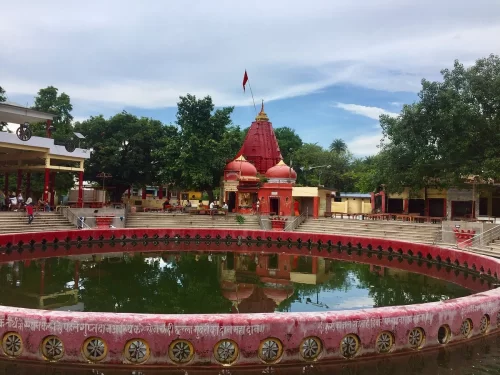 Temple
Vyas Gaddi is a sacred site in Naimisharanya associated with sage Ved Vyasa in Hindu tradition.
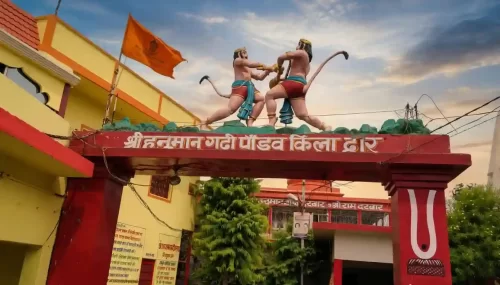 Temple
Hanuman Garhi is a Hindu temple dedicated to Lord Hanuman in the sacred pilgrimage area of Naimisharanya.
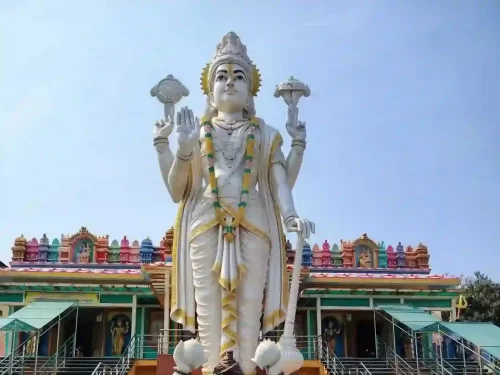 Temple
Shri Naimishnath Vishnu Temple is an ancient Hindu temple dedicated to Lord Vishnu in the sacred pilgrimage town of Naimisharanya.
Get customized Uttar Pradesh tour planning designed around seasonal weather, travel distances between heritage regions, spiritual travel flow, and comfortable pacing. Whether you are visiting for historic monuments, temple circuits, river experiences, cul
⚡ Quick Response | 💰 Free consultation | 🕒 24×7 expert support

