+91 9910402252
admin@chalbanjare.com


| Entry Fee | 50 |
| Timings | 06:00 - 17:00 |
| Altitude (m) | 123 |
| Ideal Visit Duration (hrs) | 3 |
| Best Time of Day | Morning |
| Crowd Level | High |
| Distance from City Centre (km) | 6 |
| Walking Difficulty | Moderate |
| Parking Available | Yes |
| Last Mile Access | Road |
| Suitable for Kids | Yes |
| Suitable for Seniors | Yes |
| Wheelchair Friendly | No |
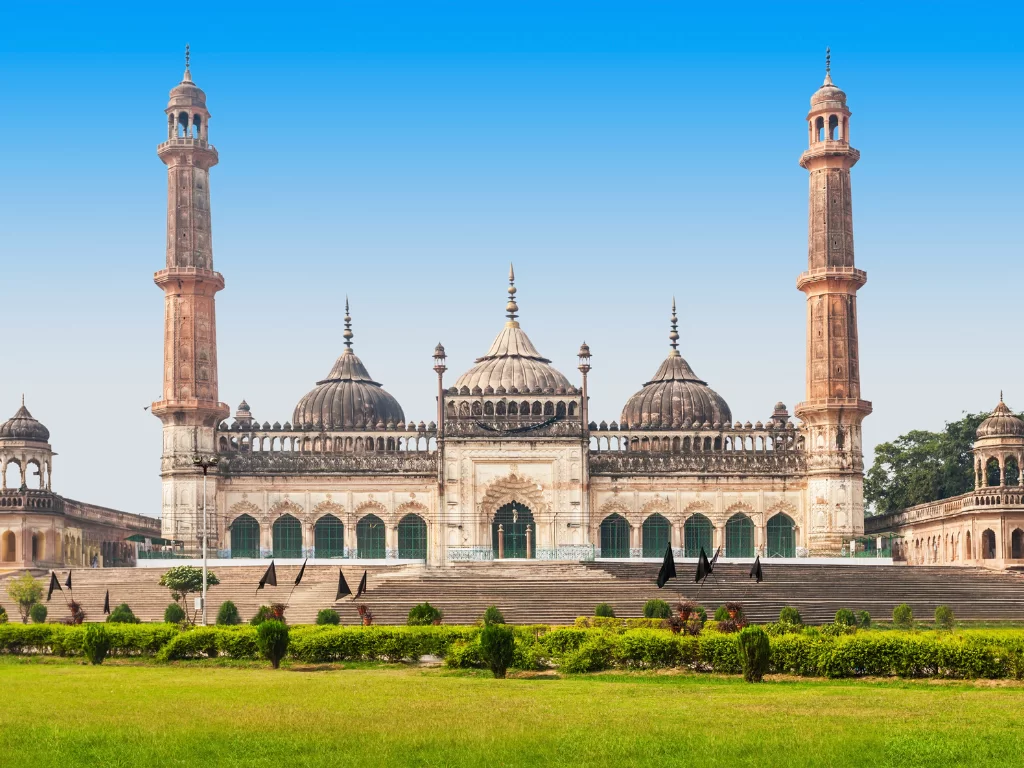
Bara Imambara is one of the most magnificent historical monuments in Lucknow and a true masterpiece of Awadhi architecture. Built in 1784 by Nawab Asaf-ud-Daula, this grand structure is not only a symbol of Lucknow’s royal heritage but also one of the largest and most impressive imambaras in India. Tourists visit Bara Imambara to witness its extraordinary architecture, massive central hall, elegant courtyards, and the iconic Bhool Bhulaiya (labyrinth), which makes the experience unique and unforgettable.
The atmosphere inside Bara Imambara feels calm, majestic, and deeply historic. As you enter the complex, you are surrounded by towering gateways, wide open courtyards, and beautiful Indo-Islamic design elements that reflect the elegance of the Nawabi era. The monument remains peaceful in the morning, while afternoons and evenings feel lively with tourists exploring the maze, listening to guides, and enjoying the cultural surroundings of the Hussainabad heritage zone.
What makes Bara Imambara truly special is its engineering brilliance. The huge central hall is considered one of the largest arched halls in the world without the use of iron beams or wood support, showcasing the architectural intelligence of its time. The Bhool Bhulaiya, with its narrow corridors and hidden passages, adds an adventurous element to the visit and offers panoramic views of Lucknow from the top. Whether you are a history lover, architecture enthusiast, photographer, or cultural traveler, Bara Imambara is a must-visit attraction that captures the soul of old Lucknow.
Bara Imambara, also known as the Asafi Imambara, was built in 1784 by Nawab Asaf-ud-Daula, the ruler of Awadh. The monument was constructed during a period of severe famine in the region, and its creation is widely remembered as a major relief project that provided employment to thousands of workers, craftsmen, and laborers. This makes Bara Imambara not only a remarkable architectural achievement but also a symbol of the Nawab’s efforts to support his people during difficult times.
The Imambara was designed by Kifayatullah, a renowned architect of the Nawabi era, and it reflects the finest blend of Mughal, Persian, and Awadhi architectural styles. The structure is famous for its massive central hall, which is considered one of the largest vaulted chambers in the world without the use of iron beams or wooden supports. This unique engineering design showcases the advanced construction skills of 18th-century India and highlights the architectural brilliance of Lucknow’s royal period.
Bara Imambara holds strong religious importance, especially for the Shia Muslim community, as it was built primarily as a congregation hall for Azadari (mourning ceremonies) during Muharram. Even today, it remains an important spiritual and cultural site where religious gatherings take place. Over time, the monument has become one of Lucknow’s most treasured heritage attractions, representing the grandeur, artistry, and cultural legacy of the Nawabs of Awadh.
The best time to visit Bara Imambara is during the winter season from October to March, when Lucknow experiences pleasant weather and comfortable temperatures for sightseeing. This period is ideal for exploring the monument’s large courtyards, grand halls, and the famous Bhool Bhulaiya without the discomfort of extreme heat. Winters also provide clearer skies, making the architectural details and photography opportunities even better.
For the best experience, plan your visit in the early morning or late afternoon. Morning visits offer a peaceful environment with fewer crowds, allowing you to explore the monument calmly. Late afternoon is also a great time because the sunlight becomes softer and the atmosphere becomes more scenic, especially for capturing photographs. Summers (April to June) can be very hot in Lucknow, while monsoon months (July to September) may bring humidity and occasional rain, so winter remains the most recommended time for tourists.
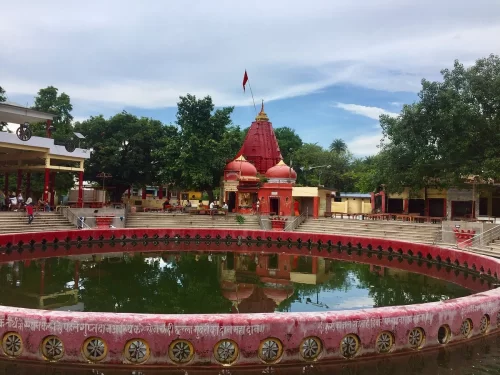 Temple
Vyas Gaddi is a sacred site in Naimisharanya associated with sage Ved Vyasa in Hindu tradition.
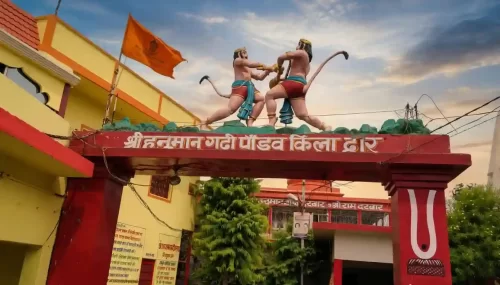 Temple
Hanuman Garhi is a Hindu temple dedicated to Lord Hanuman in the sacred pilgrimage area of Naimisharanya.
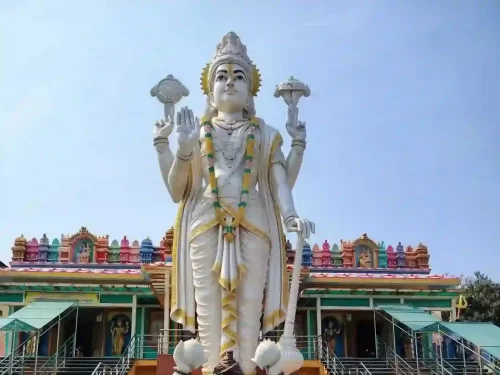 Temple
Shri Naimishnath Vishnu Temple is an ancient Hindu temple dedicated to Lord Vishnu in the sacred pilgrimage town of Naimisharanya.
Get customized Uttar Pradesh tour planning designed around seasonal weather, travel distances between heritage regions, spiritual travel flow, and comfortable pacing. Whether you are visiting for historic monuments, temple circuits, river experiences, cul
⚡ Quick Response | 💰 Free consultation | 🕒 24×7 expert support

