+91 9910402252
admin@chalbanjare.com


| Entry Fee | Free |
| Timings | 00:00 - 23:59 |
| Altitude (m) | 123 |
| Ideal Visit Duration (hrs) | 1 |
| Best Time of Day | Morning |
| Crowd Level | High |
| Distance from City Centre (km) | 4 |
| Walking Difficulty | Easy |
| Parking Available | No |
| Last Mile Access | Road |
| Suitable for Kids | Yes |
| Suitable for Seniors | Yes |
| Wheelchair Friendly | No |
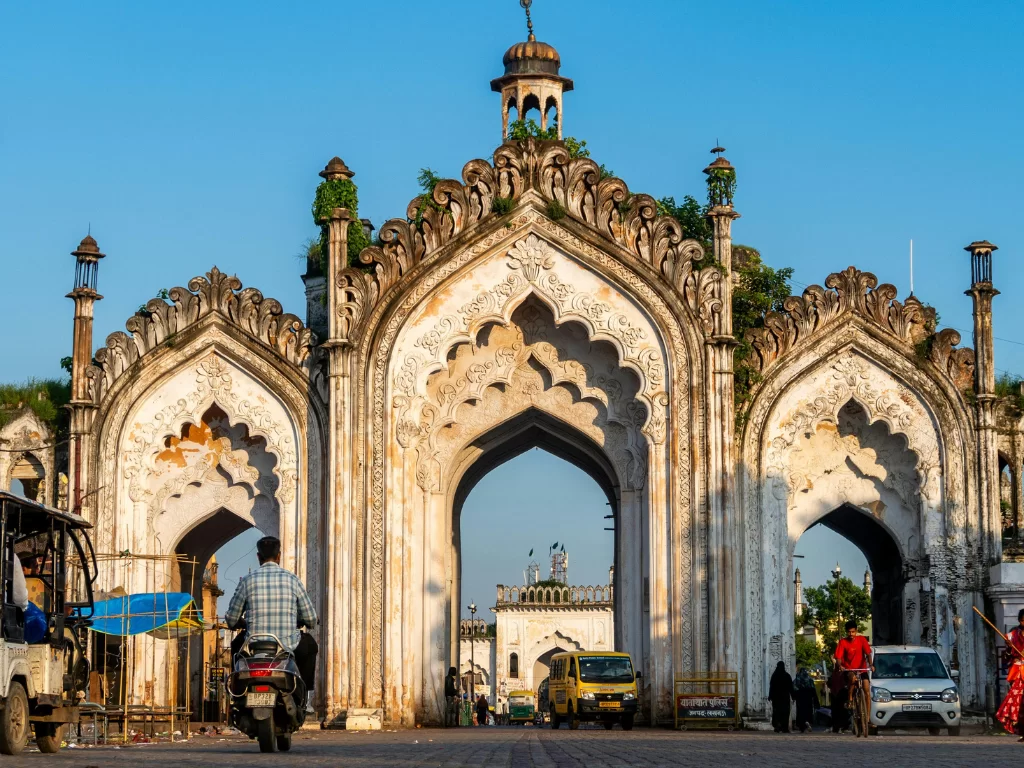
Rumi Darwaza is one of the most iconic heritage landmarks of Lucknow and a true symbol of the city’s Nawabi elegance. Built in the 18th century during the reign of Nawab Asaf-ud-Daula, this grand gateway is admired for its impressive Mughal-inspired design, towering arch, and fine decorative details. Visiting Rumi Darwaza is not just about seeing a monument—it is about experiencing the cultural pride of Awadh and understanding why Lucknow is known as the “City of Nawabs.”
The atmosphere around Rumi Darwaza is lively yet deeply historical. Located in the heart of the Hussainabad heritage zone near Bara Imambara, the area feels like an open-air museum where architecture, local life, and tradition blend beautifully. In the evenings, the monument becomes even more attractive as the surrounding lights enhance its majestic structure, making it a popular spot for tourists, photographers, and history lovers.
What makes Rumi Darwaza truly special is its grand scale and artistic uniqueness. The gateway stands around 60 feet tall and is often compared to monumental arches of the Mughal era. It represents the refined taste of Awadhi architecture, known for its balance of strength and beauty. Whether you are interested in history, architecture, cultural exploration, or simply want to capture one of Lucknow’s most famous photo spots, Rumi Darwaza is a must-visit attraction that leaves a lasting impression.
Rumi Darwaza is one of the most celebrated architectural landmarks of Lucknow and was built in 1784 during the reign of Nawab Asaf-ud-Daula, the ruler of Awadh. The monument was constructed as part of a large architectural and relief initiative undertaken during a severe famine in the region. It is believed that the Nawab ordered the construction of major structures like Bara Imambara and Rumi Darwaza not only to beautify Lucknow but also to provide employment and livelihood to thousands of people affected by the famine.
The gateway is often called the “Turkish Gate” because its design is said to be inspired by the grand gateways of Istanbul, especially the architectural style of the Ottoman era. Standing approximately 60 feet high, Rumi Darwaza reflects the refined Awadhi architecture that developed under the Nawabs, blending Mughal elegance with local craftsmanship. Its detailed floral carvings, symmetrical arch, and decorative elements make it one of the finest examples of Indo-Islamic monument design in North India.
Today, Rumi Darwaza remains a proud symbol of Lucknow’s Nawabi heritage and is closely associated with the historic Hussainabad area. It serves as a grand entrance to the heritage zone that includes Bara Imambara and Chota Imambara, making it an important monument for understanding the royal history, architectural richness, and cultural legacy of Awadh.
The best time to visit Rumi Darwaza is from October to March, when Lucknow experiences pleasant winter weather, making sightseeing comfortable and enjoyable. During these months, the temperature remains moderate, allowing visitors to explore the monument and nearby attractions like Bara Imambara and Chota Imambara without heat discomfort. The winter season also offers clearer skies, which is perfect for photography and heritage walks around the Hussainabad area.
If you want the most beautiful experience, plan your visit during early morning or late evening hours. Morning visits offer a peaceful atmosphere with fewer crowds, while evenings are ideal because the monument looks stunning under city lights, giving it a royal and dramatic appearance. Summers (April to June) can be extremely hot in Lucknow, and monsoon months (July to September) may bring humidity and occasional rain, so winter remains the most recommended season for tourists.
 Temple
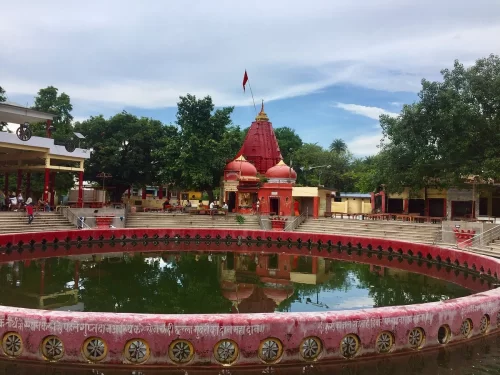
Vyas Gaddi is a sacred site in Naimisharanya associated with sage Ved Vyasa in Hindu tradition.
 Temple
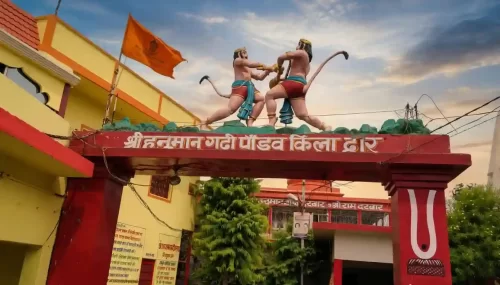
Hanuman Garhi is a Hindu temple dedicated to Lord Hanuman in the sacred pilgrimage area of Naimisharanya.
 Temple
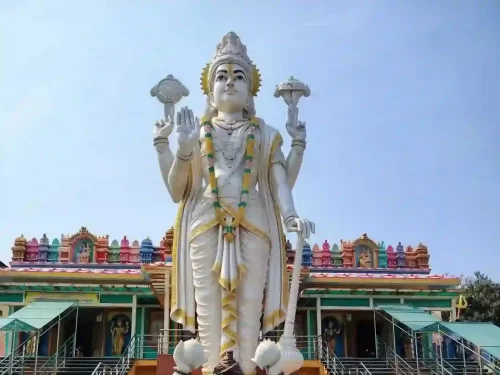
Shri Naimishnath Vishnu Temple is an ancient Hindu temple dedicated to Lord Vishnu in the sacred pilgrimage town of Naimisharanya.
Get customized Uttar Pradesh tour planning designed around seasonal weather, travel distances between heritage regions, spiritual travel flow, and comfortable pacing. Whether you are visiting for historic monuments, temple circuits, river experiences, cul
⚡ Quick Response | 💰 Free consultation | 🕒 24×7 expert support

