Quick Facts About Shri Radha Rani Temple
| Entry Fee | Free |
| Timings | 05:00 - 14:00, 17:00 - 21:00 |
| Altitude (m) | 170 |
| Ideal Visit Duration (hrs) | 2 |
| Best Time of Day | Morning |
| Crowd Level | Moderate |
| Distance from City Centre (km) | 45 |
| Walking Difficulty | Moderate |
| Parking Available | Yes |
| Last Mile Access | Walk |
| Suitable for Kids | Yes |
| Suitable for Seniors | No |
| Wheelchair Friendly | No |
Why Visit Shri Radha Rani Temple
Why Visit
Shri Radha Rani Temple in Barsana is one of the most revered temples dedicated to Goddess Radha, attracting devotees from across India. Visitors come to experience the temple’s spiritual significance, participate in daily aartis, and immerse themselves in centuries-old devotional practices that celebrate the life and love of Radha and Krishna.
Atmosphere
The temple offers a serene and devotional atmosphere amidst the scenic Bhanugarh Hill. The chants, bhajans, and ritual aartis create a spiritually uplifting environment. The surrounding hills and quaint village lanes add to the tranquil and contemplative experience, making it ideal for meditation and personal reflection.
What Makes It Special
Shri Radha Rani Temple is unique for its historical and religious importance as the main Radha shrine in Barsana. The temple architecture, hilltop location, and panoramic views of Barsana village enhance the spiritual experience. During festivals like Radhashtami and Lathmar Holi, the temple comes alive with vibrant celebrations, offering visitors a culturally immersive and visually spectacular experience.
History & Significance of Shri Radha Rani Temple
Shri Radha Rani Temple, located on the Bhanugarh Hill in Barsana, is dedicated to Goddess Radha, revered as the divine consort of Lord Krishna. The temple is considered one of the most important Radha shrines in India, attracting thousands of devotees every year. Its origins date back several centuries, and it has been a center of devotion and pilgrimage in the Braj region for generations.
The temple is renowned for its hilltop location, traditional architecture, and daily devotional rituals, which have been faithfully observed for centuries. Devotees visit to offer prayers, witness the Mangala Aarti, and participate in celebrations during Radhashtami and Lathmar Holi, when the temple and surrounding village come alive with colorful festivities and devotional fervor.
Shri Radha Rani Temple continues to be a spiritual hub in Barsana, offering visitors a chance to experience the rich devotional traditions and serene atmosphere associated with Goddess Radha.
Best Time to Visit Shri Radha Rani Temple
The best time to visit Shri Radha Rani Temple is when the weather is pleasant, allowing visitors to comfortably climb Bhanugarh Hill and enjoy the spiritual and scenic experience. Early mornings and festival periods offer the most rewarding experience for devotees.
- October to March: Winter months provide cool and comfortable temperatures, ideal for climbing the hill and exploring Barsana.
- Early Morning: Mangala Aarti around 5:00–6:30?AM offers a serene and spiritually uplifting experience with fewer crowds.
- Evening: Sandhya Aarti between 5:00–8:00?PM is also a good time to visit, offering a peaceful ambiance and pleasant weather.
- Festivals: Radhashtami and Lathmar Holi are visually spectacular and spiritually vibrant, but the temple is extremely crowded during these times.
- Avoid Peak Summer (April to June): Hot temperatures and sunny conditions make daytime climbs challenging; early mornings are still suitable.
Planning your visit according to these months and times ensures the most enjoyable and fulfilling experience at Shri Radha Rani Temple.
How to Reach Shri Radha Rani Temple
- By Air: The nearest airport is Agra Airport (AGR), about 60?km from Barsana. Indira Gandhi International Airport (DEL) in Delhi is around 160?km away. From either airport, private taxis or car rentals can be used to reach Barsana.
- By Train: The closest railway station is Mathura Junction, approximately 45?km away. Mathura is well connected to Delhi, Agra, Jaipur, and other major cities. From Mathura, local taxis, auto-rickshaws, or e-rickshaws are available to Barsana.
- By Road: Barsana is accessible via state highways and well-maintained roads from Mathura and surrounding towns. Private cars, taxis, and state-run buses are common options.
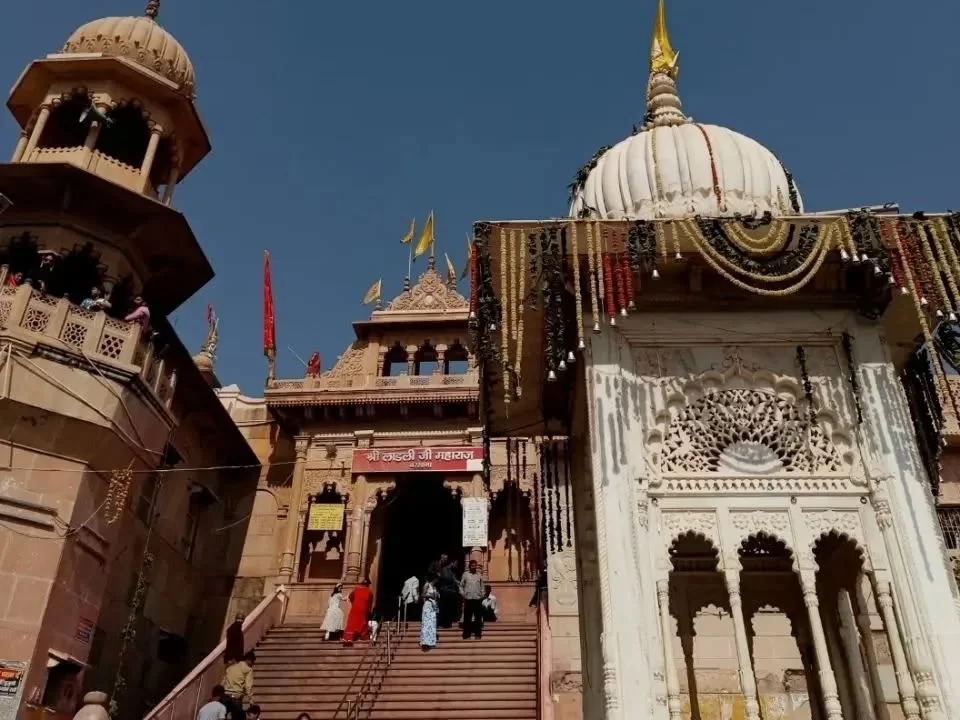
- Last-Mile Access: To reach the temple from the base of Bhanugarh Hill, visitors can walk up approximately 200 steps or hire a local palki (palanquin) service for seniors or those unable to climb.
- Accessibility: The hill climb may be challenging for seniors and wheelchair users. Early morning visits are recommended for a comfortable experience, and assistance is available on request.
What to Expect When You Visit Shri Radha Rani Temple
- Spiritual Ambience: The temple offers a deeply devotional atmosphere, with morning and evening aartis, bhajans, and chants creating a peaceful environment for meditation and reflection.
- Scenic Hilltop Location: Perched on Bhanugarh Hill, the temple provides panoramic views of Barsana village and surrounding hills, making the climb visually rewarding.
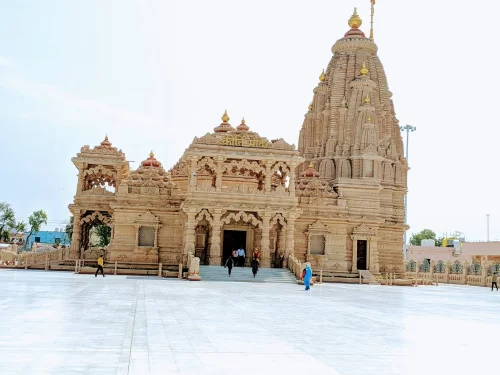
- Historic Architecture: Visitors can admire the traditional North Indian temple architecture, intricately carved sanctum, and decorative elements that highlight the cultural heritage of Barsana.
- Daily Rituals: The temple follows centuries-old practices, including Mangala Aarti at dawn and Sandhya Aarti in the evening, which visitors can witness and participate in.
- Festivals: During Radhashtami and Lathmar Holi, the temple and surrounding areas become vibrant with colorful celebrations, music, and devotional fervor.
- Family-Friendly: The temple is suitable for all ages, though the hill climb may require assistance for children and seniors. Palki services are available for those unable to climb.
- Photography Opportunities: Early morning and late evening visits offer the best lighting for photography, capturi
Important Visitor Information for Shri Radha Rani Temple
- Crowd & Weather Notes: The temple experiences moderate crowds on regular days, but during Radhashtami, Lathmar Holi, and other festivals, it can be extremely crowded. The best weather is during winter months (October to March). Summers (April to June) are hot and can make the hill climb challenging.
- Peak / Quiet Hours: Peak visiting hours are mid-morning to afternoon. Early mornings (around 5:00–7:00?AM) and evenings (5:00–8:00?PM) are quieter and ideal for darshan and photography.
- Dress Code: Visitors should dress modestly, covering shoulders and knees. Comfortable footwear is recommended for climbing the hill, and shoes must be removed before entering the sanctum.
- Safety Notes: The temple is generally safe and family-friendly. Supervise children during the hill climb, secure personal belongings, and follow staff instructions, especially during festivals when crowds are large.
Photography and Viewpoints at Shri Radha Rani Temple
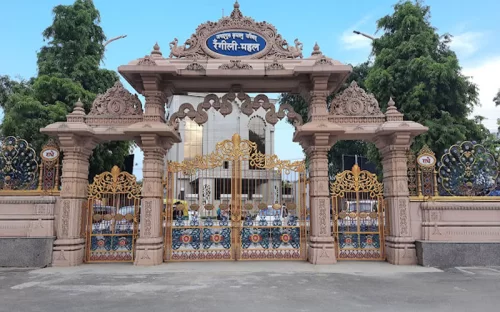
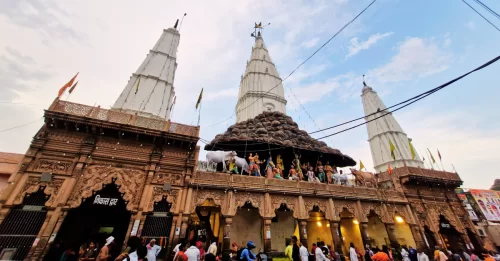
- Temple Architecture: Capture the stunning North Indian temple design with intricate carvings, colorful decorations, and the sanctum of Goddess Radha on Bhanugarh Hill.
- Scenic Hilltop Views: The temple’s elevated location offers panoramic views of Barsana village and surrounding hills, ideal for landscape and devotional photography.
- Festivals and Rituals: Radhashtami, Lathmar Holi, and other festivals provide vibrant opportunities to photograph devotees, traditional attire, music, and colorful decorations.
- Courtyards and Surroundings: Open temple courtyards, pathways, and nearby village lanes allow for candid shots of daily devotional activities and serene temple life.
- Photography Guidelines: Photography is allowed in open areas, but avoid taking photos inside the sanctum during aarti or prayers to respect the sanctity of the deity.
- Best Time for Photos: Early mornings and late evenings provide soft natural lighting and fewer crowds, perfect for capturing the temple’s architecture, rituals, and scenic surroundings.