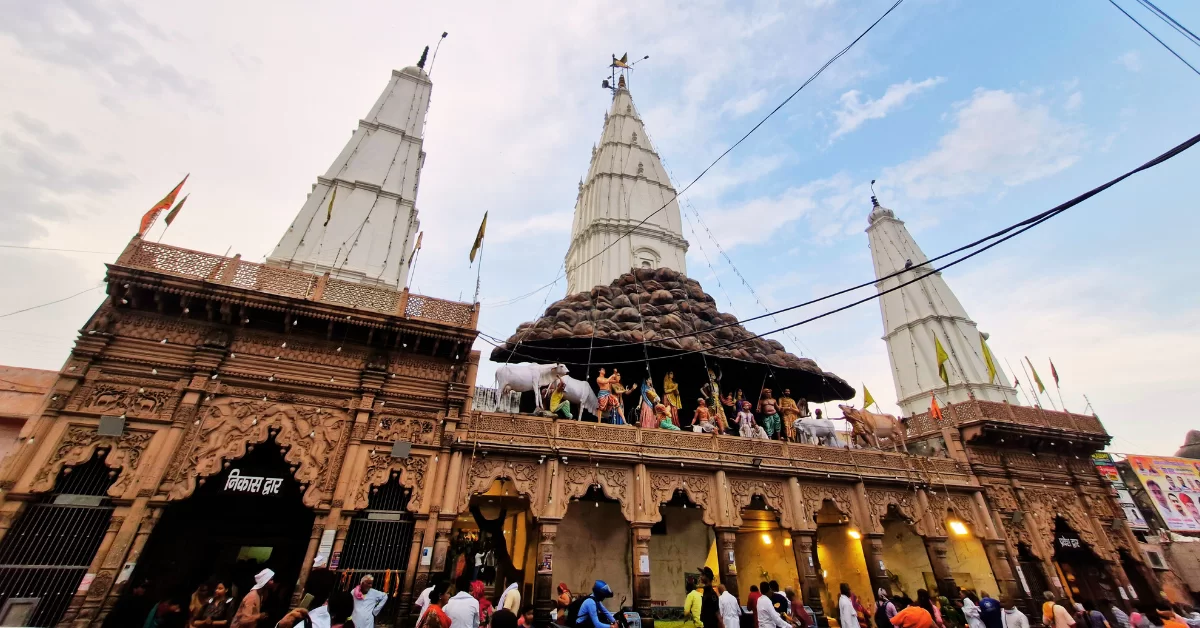
Govardhan Temple, Mathura District, Uttar Pradesh, India

Govardhan Mandir , Mathura
Visitors come to the temple as part of the Govardhan Parikrama route and for religious worship linked to Lord Krishna’s tradition of lifting Govardhan Hill. It is an important stop for pilgrims traveling between Mathura, Vrindavan, and nearby sacred sites in the region.

Quick Facts About Govardhan Mandir

Govardhan Temple, Mathura, Uttar Pradesh Quick Facts

Entry Fee No entry fee
Timings Generally open from early morning to evening; timings may vary during festivals and Parikrama days
Altitude (m) Approximately 180–190 m above sea level
Ideal Visit Duration 1–2 hours (longer if combined with Govardhan Parikrama)
Best Time of Day Early morning for Parikrama or evening for temple darshan
Crowd Level High during Govardhan Puja, Kartik month, and full moon Parikrama days; moderate otherwise
Distance from City Centre (km) Approximately 22–25 km from Mathura city centre
Walking Difficulty Moderate; increases significantly if doing full Parikrama (long-distance walk)
Parking Available Yes, parking available near main temple and Parikrama entry points
Last Mile Access Accessible by road up to temple area; walking required for Parikrama routes
Suitable for Kids Yes for temple visit; Parikrama only with supervision due to distance
Suitable for Seniors Yes for temple darshan; Parikrama may be difficult for elderly visitors
Wheelchair Friendly Partially accessible; temple area has limited accessibility, Parikrama routes are not wheelchair accessible

Why Visit Govardhan Temple, Mathura, Uttar Pradesh

Visitors come to Govardhan Temple near Mathura to take part in the sacred Govardhan Parikrama tradition and offer prayers at a site deeply connected to Krishna devotion. It is a key stop for pilgrims walking or visiting the Govardhan hill circuit in the Braj region.

The on-ground atmosphere is highly devotional, with continuous chanting, barefoot pilgrims on parikrama routes, and small shrines along the way. The surroundings include narrow paths, resting points, and active religious participation throughout the day.

What makes Govardhan Temple distinct is its integration into a living pilgrimage route rather than a single enclosed shrine. The experience of walking the sacred circuit alongside devotees and visiting multiple ritual points makes it different from standard temple visits in Uttar Pradesh.

History of Govardhan Temple, Mathura, Uttar Pradesh

Govardhan Temple is located in the Govardhan area of Mathura district, which is deeply associated with the Hindu tradition of Govardhan Parikrama. The region is regarded as sacred in Vaishnavism due to its connection with Lord Krishna.

According to Hindu belief, Govardhan Hill is linked to the legend of Lord Krishna lifting the hill to protect the people of Vrindavan from heavy rains sent by Indra. The temple area serves as a focal point for devotion connected to this tradition.

Today, Govardhan Temple remains an important pilgrimage site where devotees participate in rituals and parikrama, maintaining its religious significance within the Braj spiritual landscape.

Best Time to Visit Govardhan Temple, Mathura, Uttar Pradesh

Govardhan Temple is best visited during the cooler pilgrimage season when parikrama routes, temple visits, and nearby sacred sites in the Braj region can be comfortably explored without the strain of extreme heat or heavy monsoon conditions.
  • Ideal Months: October to March is the most suitable period for visiting, especially for performing Govardhan Parikrama and visiting nearby temples in Mathura and Vrindavan.
  • Weather Conditions: These months generally offer mild to cool daytime temperatures, making long walking routes, temple visits, and outdoor rituals more manageable and comfortable.
  • Periods to Avoid: April to June should be avoided due to intense heat in the region, while peak monsoon months may cause muddy paths along parikrama routes and reduce overall comfort for outdoor pilgrimage activities.

How to Reach Govardhan Temple, Mathura, Uttar Pradesh

  • By Air: The nearest airport is Indira Gandhi International Airport, Delhi, located approximately 160–170 km from Govardhan. Agra Airport, around 70–75 km away, is a closer alternative but has limited flight operations. From both airports, taxis and private cabs are available for onward travel to Govardhan.
  • By Train: Mathura Junction is the nearest major railway station, situated about 25–30 km from Govardhan Temple. It is well connected to Delhi, Agra, Jaipur, Lucknow, and other major cities. From Mathura, visitors can reach Govardhan via taxis, shared autos, and local buses.
  • By Road: Govardhan is well connected by road via Govardhan Road from Mathura and lies on a well-traveled pilgrimage route. Regular UPSRTC buses, private coaches, taxis, and shared vehicles operate frequently between Mathura and Govardhan. The temple and parikrama route area involve walking in crowded pilgrimage zones, and during festivals like Govardhan Puja and Kartik month, heavy footfall can lead to congestion, slower movement, and limited parking near key entry points.

What to Expect When You Visit Govardhan Temple, Mathura, Uttar Pradesh

  • Govardhan Temple is located in the Govardhan town near Mathura, within the Braj pilgrimage region, surrounded by narrow lanes, local markets, and continuous devotional movement linked to the Govardhan Parikrama route.
  • The environment is deeply religious, with pilgrims walking the parikrama path, stopping at temples, kunds, and sacred points along the Govardhan Hill circuit, creating steady foot traffic throughout the day.
  • Basic facilities such as small eateries, prasad shops, drinking water points, and simple lodging options are available in Govardhan town, but infrastructure remains modest compared to major urban centers.
  • Accessibility involves navigating crowded local roads, especially during weekends and religious festivals. Many visitors choose to walk or use shared transport for short distances due to congestion near key temple points.
  • Visitors typically participate in parikrama, darshan, and ritual offerings. The experience is more movement-oriented than stationary, with devotees spending several hours walking the sacred route.
  • Crowd levels increase significantly during full moon (Purnima), Annakut, Govardhan Puja, and other major Hindu festivals, often resulting in long queues and limited space at resting points along the route.
  • Visitors should expect basic infrastructure, uneven walking paths in some sections of the parikrama route, and a need for moderate physical endurance, especially during long circumambulation walks.

Important Visitor Information for Govardhan Temple, Mathura, Uttar Pradesh

  • Govardhan Temple and the surrounding parikrama route experience peak crowds during Govardhan Puja, Kartik month, and weekends, while weekday mornings are generally quieter for darshan and circumambulation.
  • Early morning hours are preferred for parikrama due to cooler temperatures and lighter footfall, whereas afternoons can become crowded and warmer, especially during pilgrimage seasons.
  • The region experiences very hot summers (April–June) and comfortable winters, with monsoon rains (July–August) making parikrama paths muddy and slower to navigate.
  • Modest and comfortable attire is recommended, as visitors often walk long distances during Govardhan Parikrama, sometimes barefoot as part of devotional practice.
  • Visitors should exercise caution on uneven rural paths, stone stretches, and wet sections during monsoon, where slipping risk increases significantly.
  • During major festivals, vehicle congestion and heavy foot traffic around Govardhan town can delay access points, requiring additional travel time and patience.

Photography and Viewpoints at Govardhan Temple, Mathura, Uttar Pradesh

  • The main temple approach and parikrama route offer the most authentic viewpoints, allowing compositions that include temple spires, pilgrim movement, and the surrounding Govardhan townscape.
  • Elevated sections along the Govardhan Parvat circumambulation path provide wider landscape perspectives, capturing the temple cluster along with the sacred hill terrain in a single frame.
  • Early morning light is most suitable for photography, with softer illumination over the temple structures and significantly lower pilgrim density along the parikrama route.
  • Evening aarti timings create strong devotional visuals at the temple courtyard, though low-light conditions and dense gatherings can limit clear architectural framing.
  • Photography near ritual areas and during ongoing ???? activities may be restricted, and visitors are expected to follow instructions from temple priests and local authorities.
  • Crowd intensity increases sharply during Govardhan Puja, Annakut, and Kartik month parikrama, often restricting access to the most open viewpoints along the route.
  • Movement around the temple complex is influenced by narrow lanes and continuous pilgrim flow, making timing essential for capturing unobstructed views of the shrine and surrounding ghats.

Near By Attraction

 Temple

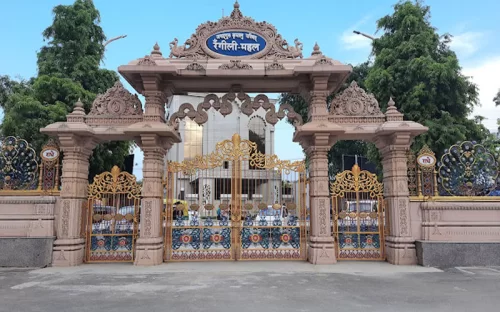
Rangeeli Mahal

Rangili Mahal is a historic palace-style structure located in Barsana, associated with the cultural and religious heritage of Radha Rani.
 Temple

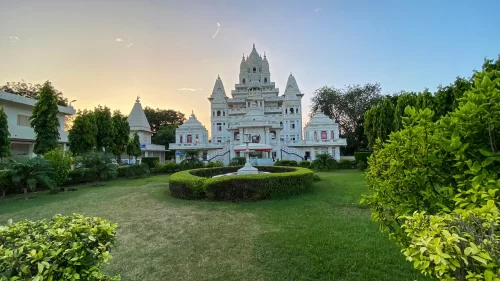
Shri Pagal Baba Mandir

Shri Pagal Baba Mandir is a Hindu temple in Vrindavan known for its white marble structure and multi-storey shrine complex.
 Temple

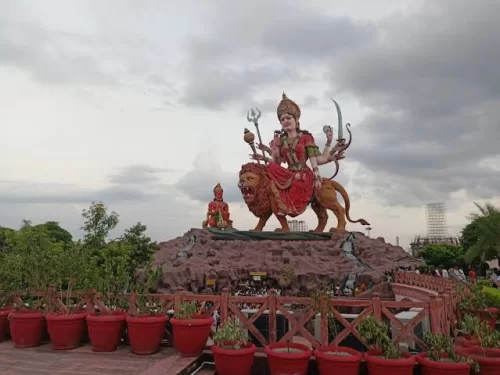
Mata Vaishno Devi Temple

Mata Vaishno Devi Temple is a Hindu temple in Vrindavan dedicated to Goddess Vaishno Devi and is known for its cave-style pilgrimage experience.

Frequently Asked Questions About Govardhan Mandir

Loved this place ? Let’s Plan Your Uttar Pradesh Trip

Get customized Uttar Pradesh tour planning designed around seasonal weather, travel distances between heritage regions, spiritual travel flow, and comfortable pacing. Whether you are visiting for historic monuments, temple circuits, river experiences, cul

⚡ Quick Response | 💰 Free consultation | 🕒 24×7 expert support

×

Plan Your Trip