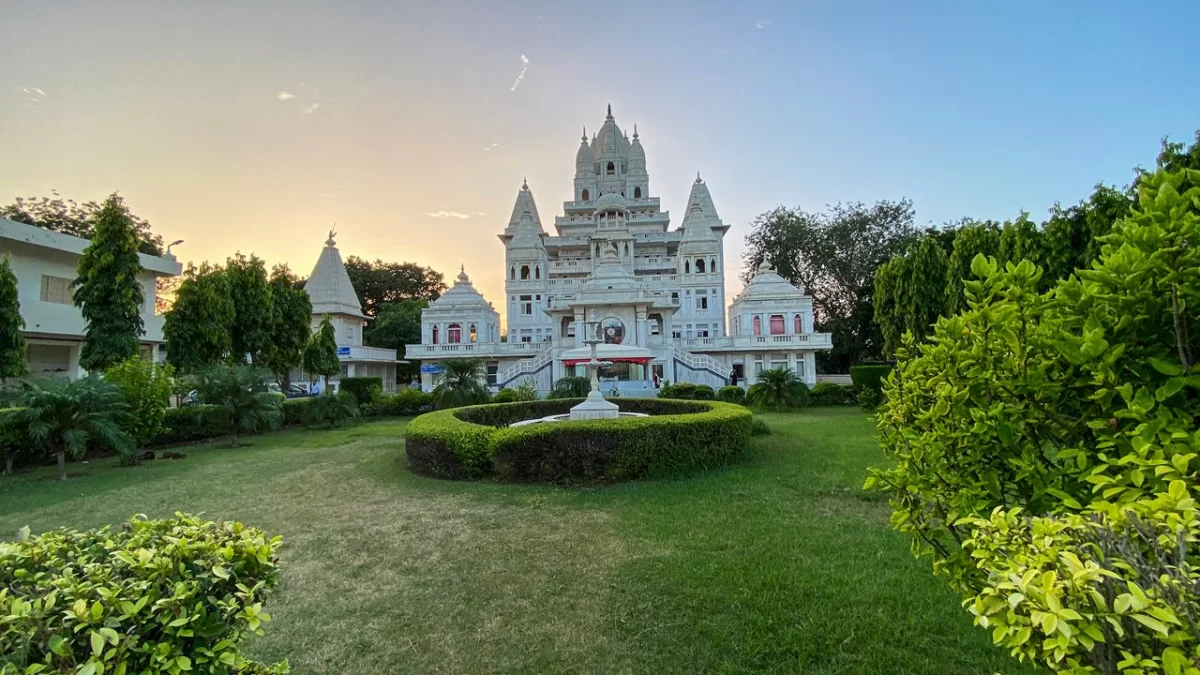
Shri Pagal Baba Mandir, Vrindavan, Uttar Pradesh, India

Shri Pagal Baba Mandir , Mathura
Visitors come to the temple for darshan and to observe its architectural design, which includes multiple floors dedicated to different deities. It is part of the Vrindavan pilgrimage circuit and is visited alongside other Krishna-related temples in the town.

Quick Facts About Shri Pagal Baba Mandir

Shri Pagal Baba Mandir, Vrindavan, Uttar Pradesh Quick Facts

Entry Fee No entry fee
Timings Generally open daily from 5:00 AM to 12:00 PM and 4:00 PM to 9:00 PM; timings may vary during festivals and special occasions
Altitude (m) Approximately 170 m above sea level
Ideal Visit Duration 30 minutes to 1 hour
Best Time of Day Morning or evening aarti time
Crowd Level Moderate; higher during weekends, Janmashtami, and major Vrindavan pilgrimage periods
Distance from City Centre (km) Approximately 2–3 km from Vrindavan town centre
Walking Difficulty Easy
Parking Available Yes, limited parking available near the temple complex
Last Mile Access Accessible by road followed by a short walk from the parking area to the temple entrance
Suitable for Kids Yes
Suitable for Seniors Yes
Wheelchair Friendly Partially accessible; some areas have steps and uneven flooring inside the temple complex

Why Visit Shri Pagal Baba Mandir, Vrindavan, Uttar Pradesh

Visitors come to Shri Pagal Baba Mandir in Vrindavan to experience its devotional temple setting dedicated to Lord Krishna, often included in local temple circuits for darshan and prayer. The site attracts pilgrims who are exploring Vrindavan’s active network of Krishna temples and seeking a quieter stop between larger shrines.

The on-ground atmosphere is devotional and steady, with visitors engaging in darshan, chanting, and short prayer sessions inside the temple complex. The surroundings remain relatively calm compared to the busiest parts of Vrindavan, allowing more time for focused worship and reflection.

What makes Shri Pagal Baba Mandir distinct is its blend of accessible temple design and consistent devotional activity within Vrindavan’s pilgrimage landscape. Its simpler, less crowded environment compared to major landmark temples makes it suitable for visitors looking for a quieter spiritual stop in the region.

History of Shri Pagal Baba Mandir, Vrindavan, Uttar Pradesh

Shri Pagal Baba Mandir in Vrindavan was established by the saint known as Pagal Baba, a devotee associated with the Bhakti movement tradition of Krishna worship in the region. The temple reflects his devotional life and teachings centered on Lord Krishna.

The temple is known for its association with continuous Krishna bhakti practices, including kirtan and daily worship, which have contributed to its recognition among local pilgrimage sites in Vrindavan.

Today, Shri Pagal Baba Mandir remains an active place of worship and a visited spiritual site in Vrindavan, reflecting the town’s enduring Vaishnav devotional heritage.

Best Time to Visit Shri Pagal Baba Mandir, Vrindavan, Uttar Pradesh

Shri Pagal Baba Mandir is best visited during the cooler months when Vrindavan’s temple circuit can be explored comfortably and visitors can spend more time attending darshan and walking through the multi-storey temple complex without heat-related discomfort.
  • Ideal Months: October to March is the most suitable period for visiting, especially for relaxed darshan and exploring nearby temples in Vrindavan.
  • Weather Conditions: This season generally offers mild to cool temperatures with comfortable conditions for climbing within the temple structure and moving between nearby religious sites.
  • Periods to Avoid: April to June should be avoided due to intense heat in the Braj region, which makes daytime temple visits tiring. During peak festival days such as Holi and Janmashtami, expect heavy crowds and longer waiting times.

How to Reach Shri Pagal Baba Mandir, Vrindavan, Uttar Pradesh

  • By Air: The nearest airport is Indira Gandhi International Airport, Delhi, located approximately 160–170 km from Vrindavan. Agra Airport, around 70 km away, is another option but has limited flight connectivity. Taxis and private cabs are available from both airports for onward travel.
  • By Train: Mathura Junction is the nearest major railway station, situated about 12–15 km from Shri Pagal Baba Mandir. It is well connected with major cities such as Delhi, Agra, Jaipur, Mumbai, and Kolkata. From Mathura, visitors can use taxis, auto-rickshaws, e-rickshaws, or local buses to reach Vrindavan.
  • By Road: Shri Pagal Baba Mandir is located in Vrindavan and is accessible via NH 19 and the Mathura–Vrindavan road corridor. Regular UPSRTC buses, private coaches, taxis, and self-drive vehicles operate frequently between Mathura and Vrindavan. The final approach includes narrow temple lanes where traffic movement may be slow, especially during weekends, festivals, and peak pilgrimage hours, with limited parking availability near the temple area.

What to Expect When You Visit Shri Pagal Baba Mandir, Vrindavan, Uttar Pradesh

  • Shri Pagal Baba Mandir is set within Vrindavan’s densely built pilgrimage landscape, surrounded by narrow lanes, residential pockets, and frequent temple-to-temple foot traffic typical of the town’s central areas.
  • The temple complex is known for its multi-storey structure and rooftop viewpoints offering views of Vrindavan’s surroundings, though access to upper levels may involve climbing stairs and can be restricted during peak crowd conditions.
  • Basic visitor facilities such as shoe storage, drinking water, and small shops selling prasad and ???? items are available nearby, while broader services like food outlets and transport connections are located outside the immediate complex.
  • Access is generally via congested local roads, and vehicles often cannot reach the temple entrance directly. Visitors usually walk short distances through busy streets with shared movement between pilgrims, vendors, and local traffic.
  • Inside the temple, movement can be slow during weekends, festivals, and evening aarti timings due to concentrated visitor flow in key viewing and prayer areas.
  • The temple attracts a mix of regular devotees and visitors exploring multiple Vrindavan temples in a single trip, resulting in steady footfall throughout the day rather than quiet, isolated visiting hours.
  • Visitors should expect modest infrastructure, stair-based movement in certain sections, and adherence to standard temple practices such as footwear removal, respectful behavior, and limited photography in specific areas.

Important Visitor Information for Shri Pagal Baba Mandir, Vrindavan, Uttar Pradesh

  • The temple experiences increased visitor flow during weekends, religious festivals, and Vrindavan pilgrimage seasons, while weekday mornings generally remain relatively calm for darshan.
  • Early morning hours offer a quieter devotional atmosphere, whereas evenings during aarti time see a rise in local devotees and visiting groups.
  • Vrindavan’s climate is hot in summer (April–June), making morning and late afternoon visits more comfortable, while winter months provide pleasant conditions for temple visits.
  • Modest and respectful attire is expected inside the temple premises, with visitors advised to follow traditional decorum during worship and aarti.
  • Footwear must be removed before entering temple areas, and visitors should move carefully through corridors that may become crowded during peak hours.
  • During festival days and special events, queues can extend within the temple complex, requiring patience and careful movement through narrow sections.

Photography and Viewpoints at Shri Pagal Baba Mandir, Vrindavan, Uttar Pradesh

  • The main temple façade and entrance gate offer the most complete frontal composition, capturing the multi-storey structure, decorative elements, and devotional signage characteristic of Shri Pagal Baba Mandir.
  • From the courtyard center, the temple can be framed symmetrically, especially effective for capturing the vertical elevation and layered balconies of the building in a single shot.
  • Early morning light provides softer illumination on the painted exterior and reduces harsh reflections on white and pastel surfaces, improving clarity of architectural details.
  • Late afternoon light highlights the upper floors and façade edges, while shadow patterns inside the courtyard add depth to wide-angle compositions of the temple complex.
  • Photography inside prayer halls and during active darshan is subject to temple permissions, and visitors are expected to avoid flash or intrusive filming during ongoing rituals.
  • Peak visitor movement occurs during weekends, Krishna Janmashtami, and major Vrindavan pilgrimage periods, which can limit clear access to central courtyard viewpoints.
  • Access within the temple is generally straightforward without steep elevation, but crowd clustering near the main entrance can restrict unobstructed framing during peak hours.

Near By Attraction

 Temple

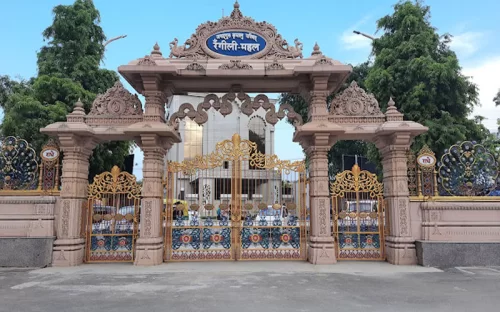
Rangeeli Mahal

Rangili Mahal is a historic palace-style structure located in Barsana, associated with the cultural and religious heritage of Radha Rani.
 Temple

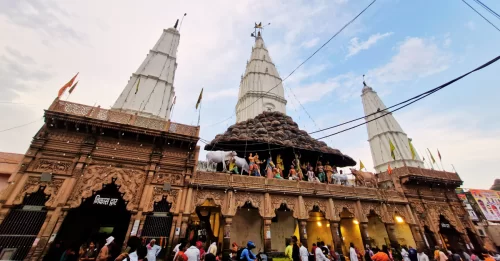
Govardhan Mandir

Govardhan Temple is a Hindu temple located near Govardhan Hill in the Braj region of Uttar Pradesh, India.
 Temple

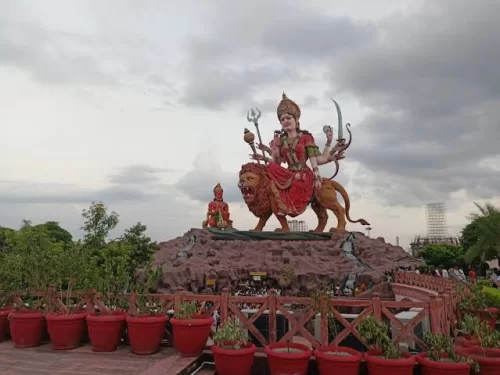
Mata Vaishno Devi Temple

Mata Vaishno Devi Temple is a Hindu temple in Vrindavan dedicated to Goddess Vaishno Devi and is known for its cave-style pilgrimage experience.

Frequently Asked Questions About Shri Pagal Baba Mandir

Loved this place ? Let’s Plan Your Uttar Pradesh Trip

Get customized Uttar Pradesh tour planning designed around seasonal weather, travel distances between heritage regions, spiritual travel flow, and comfortable pacing. Whether you are visiting for historic monuments, temple circuits, river experiences, cul

⚑ Quick Response | πŸ’° Free consultation | πŸ•’ 24Γ—7 expert support

×

Plan Your Trip