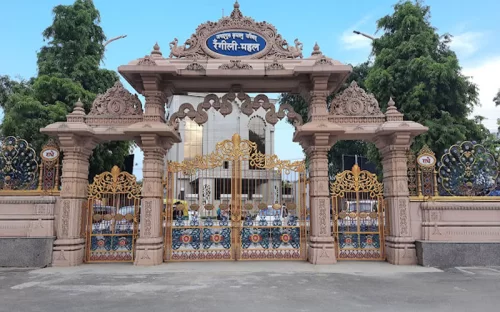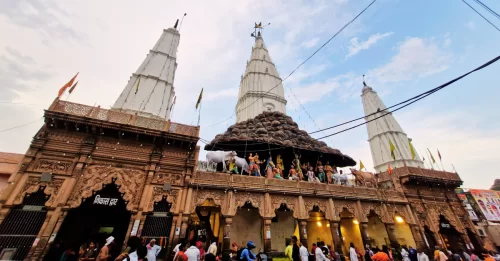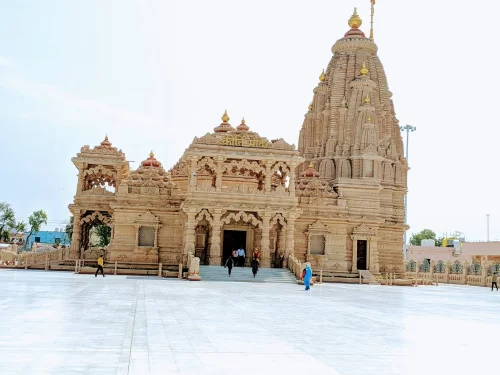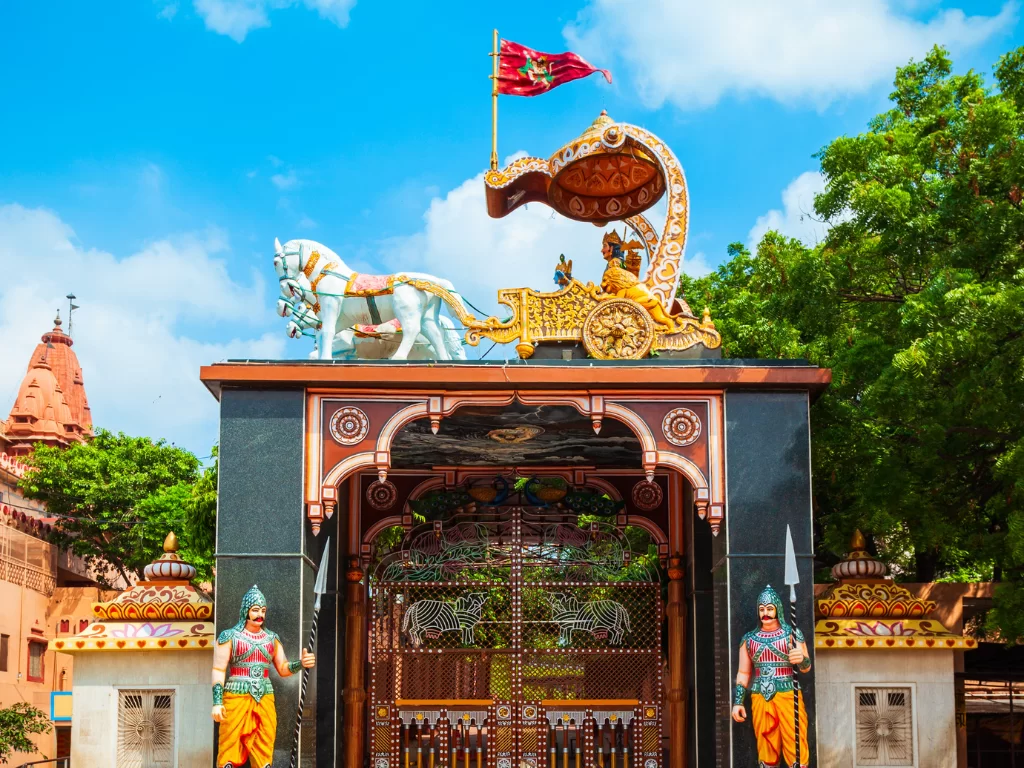
Quick Facts About Shri Krishna Janmasthan
| Entry Fee | Free |
| Timings | 05:00 - 21:30 |
| Altitude (m) | 170 |
| Ideal Visit Duration (hrs) | 2 |
| Best Time of Day | Morning |
| Crowd Level | High |
| Distance from City Centre (km) | 2 |
| Walking Difficulty | Moderate |
| Parking Available | Yes |
| Last Mile Access | Road |
| Suitable for Kids | Yes |
| Suitable for Seniors | Yes |
| Wheelchair Friendly | No |
Why Visit
Why Visit: Shri Krishna Janmasthan is the most sacred site in Mathura, offering devotees the rare opportunity to pray at the exact birthplace of Lord Krishna and experience deep spiritual connection.
Atmosphere: The complex carries a powerful devotional energy, filled with chanting, bells, incense, and continuous worship, especially intense during Janmashtami and daily aarti hours.
What Makes it Special: The prison cell marking Krishna’s birth, ancient sacred associations, and its role as the spiritual heart of Krishna Janmabhoomi make this site unmatched in religious importance.
History
Shri Krishna Janmasthan is believed to mark the exact prison cell where Lord Krishna was born to Devaki and Vasudeva during the reign of King Kansa. This sacred spot has been revered by devotees for centuries as the holiest location in Mathura.
Over time, temples were built and rebuilt around this site by various rulers and devotees. The present temple complex was developed in the 20th century, preserving the sanctum while creating a larger space for worship and pilgrimage.
The site holds supreme religious importance in Vaishnav tradition and remains the central focus of Krishna devotion, especially during the annual Janmashtami celebrations.
Best Time to Visit
The best time to visit Shri Krishna Janmasthan is between October and March when the weather in Mathura is pleasant for darshan and walking through the temple complex. Summers are extremely hot, while monsoon months bring humidity and larger crowds.
- October to March: Comfortable climate for temple visits and pilgrimage activities
- August–September: Janmashtami festival with grand celebrations and massive crowds
- March: Holi season brings vibrant devotional atmosphere
- Early mornings: Best for peaceful darshan with shorter queues
- Weekdays: Less crowded than weekends and festival dates
How to Reach
- By Air: Nearest airport is Agra Airport (~60 km); Delhi IGI Airport (~160 km) offers wider domestic and international connectivity.
- By Train: Mathura Junction (3 km) is the nearest major railway station, well connected to Delhi, Agra, Jaipur, and major cities.
- By Road: Mathura is connected via NH-19 and Yamuna Expressway; regular buses and taxis operate from Delhi and Agra.
- From Mathura Station: Auto-rickshaws and e-rickshaws reach the temple complex in 10–15 minutes.
- Local Transport: Walking access, cycle-rickshaws, and e-rickshaws are common due to city centre location.
What to Expect When You Visit
- Darshan at the exact birthplace of Lord Krishna inside the prison cell sanctum
- Deeply spiritual atmosphere with continuous chanting, bells, and devotional prayers
- Security screening and queue systems due to high daily pilgrim footfall
- Adjacent temples and shrines within the Janmasthan complex
- Special decorations, rituals, and celebrations during Janmashtami festival
- Strict footwear removal and mobile restrictions in certain areas
Important Visitor Information
- Crowd & Weather Notes: Very heavy crowds daily, especially during Janmashtami; summers are extremely hot, winters pleasant.
- Peak / Quiet Hours: Peak hours are 7:00–11:00 AM and 6:00–9:00 PM; early mornings are quieter.
- Dress Code: Modest clothing covering shoulders and knees is required; footwear must be removed before entry.
- Safety Notes: Follow strict security checks, avoid carrying valuables, and supervise children in crowded areas.
Photography and Viewpoint
- Photography is not allowed inside the main sanctum where Krishna’s birthplace is located
- Best viewpoints are the outer courtyard, temple entrance, and nearby surrounding areas
- Early morning or evening light provides the best conditions for capturing temple architecture
- Festival days offer vibrant visuals outside the sanctum with decorations, crowds, and processions
- Always respect devotees’ privacy and follow temple guidelines while taking photographs