Kusum Sarovar Govardhan – Sacred Reservoir & Heritage Site

Kusum Sarovar , Mathura
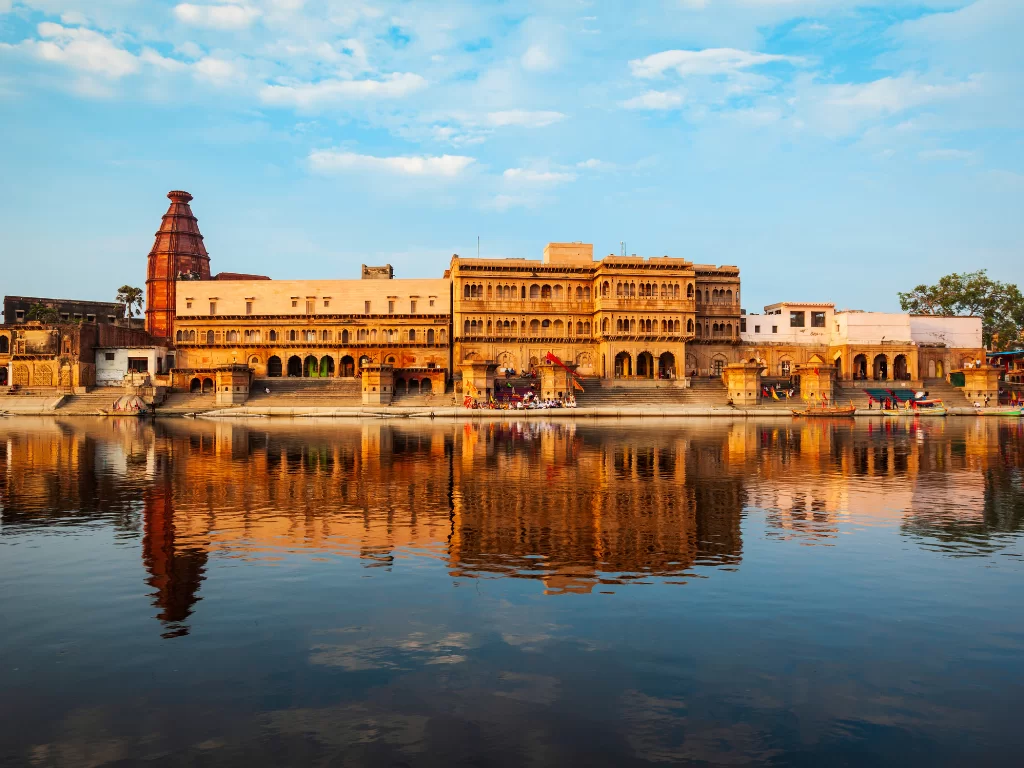
Kusum Sarovar is an ancient and spiritually revered sarovar (water reservoir) located on the holy Govardhan Hill in Mathura district, Uttar Pradesh. The site features a 450?foot long and 60?foot deep pond surrounded by intricately carved ghats, cenotaphs, chhatris and monumental sandstone structures built by historical rulers like King Jawahar Singh and Maharaja Suraj Mal. It is deeply connected with Krishna and Radha legends, where Radha is believed to have picked flowers (kusum) for Krishna, and pilgrims visit for reflection, scenic beauty, and spiritual ambience. The reservoir is often included on the Govardhan parikrama route and attracts devotees, history enthusiasts and photographers

Quick Facts About Kusum Sarovar

Entry Fee Free
Timings 06:00 - 18:00
Altitude (m) 175
Ideal Visit Duration (hrs) 1
Best Time of Day Morning
Crowd Level Moderate
Distance from City Centre (km) 22
Walking Difficulty Easy
Parking Available Yes
Last Mile Access Road
Suitable for Kids Yes
Suitable for Seniors Yes
Wheelchair Friendly No

Why Visit

Why Visit

Kusum Sarovar is a serene and historically significant site near Govardhan Hill, offering visitors a combination of spiritual ambiance, architectural beauty, and natural scenery. It is a perfect place for devotees, photographers, and travelers seeking peace and a glimpse into India’s rich heritage.

Atmosphere

The atmosphere at Kusum Sarovar is calm and contemplative. The tranquil water of the reservoir reflects the intricately carved sandstone ghats and cenotaphs, while gentle breezes and birdsong enhance the peaceful environment. Early mornings and late afternoons provide a particularly serene experience, with soft sunlight illuminating the historic monuments.

What Makes it Special

Kusum Sarovar stands out for its unique blend of natural beauty and historical architecture. The cenotaphs built by Maharaja Suraj Mal and his successors, the stepped ghats, and the serene reservoir create a visually stunning and spiritually uplifting environment. Its connection to the legends of Radha and Krishna adds cultural and religious significance, making it a must-visit destination on the Govardhan Parikrama route.

History

Kusum Sarovar is a historic water reservoir located near Govardhan Hill, Mathura district, and is renowned for its association with the legends of Radha and Krishna. The site features intricately carved sandstone ghats and cenotaphs built by Maharaja Suraj Mal of Bharatpur in the 18th century to honor his ancestors. The monuments and steps reflect the architectural style of that era and showcase the craftsmanship of the region.

The reservoir itself is believed to have been a favorite spot for Radha, who is said to have collected flowers (kusum) for Lord Krishna, giving the sarovar its name. Over time, Kusum Sarovar has become an important site for pilgrims performing Govardhan Parikrama and visiting Vrindavan and Mathura, providing both spiritual significance and scenic beauty.

Today, Kusum Sarovar serves as a tranquil heritage site where visitors can admire the historic cenotaphs, explore the stepped ghats, and enjoy reflections on the sacred waters, making it a prominent destination for history enthusiasts, pilgrims, and travelers.

Best Time to Visit

Kusum Sarovar is best visited during cooler months and times of day that allow you to enjoy the scenic reservoir, historic cenotaphs, and peaceful surroundings. While it is open throughout the year, certain periods provide a more comfortable and visually appealing experience.
  • October to March (Winter & Early Spring): Mild temperatures and clear skies make these months ideal for sightseeing, photography, and leisurely exploration of the ghats and cenotaphs.
  • Morning Hours: Visiting early in the morning (6:00 AM – 9:00 AM) offers serene reflections on the water, fewer visitors, and a peaceful atmosphere.
  • Late Afternoon: Late afternoon (4:00 PM – 6:00 PM) provides warm, soft lighting perfect for photography and enjoying the scenic beauty of the reservoir and monuments.
  • Festivals: Festivals like Radha Ashtami or Govardhan Puja bring vibrant crowds, special rituals, and devotional activities. These can be culturally enriching but may be crowded.
  • Summer & Monsoon Considerations: April to June can be hot, and July to September may experience rain or high humidity. If visiting in these months, early morning or late afternoon is recommended

How to Reach

  • By Road: Kusum Sarovar is about 3 km from Govardhan town and ~22–28 km from Mathura city center. It is well connected by local roads, and visitors can hire taxis, private cars, or auto-rickshaws to reach the site comfortably.
  • By Train: The nearest railway station is Mathura Junction, approximately 22–28 km away. From the station, taxis, auto-rickshaws, or local buses provide convenient access to Kusum Sarovar.
  • By Bus: State-run and private buses operate from Mathura to Govardhan. From Govardhan bus stops, auto-rickshaws or cycle rickshaws can take you directly to the sarovar.
  • By Air: The nearest airport is Agra Airport (AGR), around 55 km away. Visitors can hire taxis from the airport or take a combination of train and local transport to reach Kusum Sarovar. Delhi Airport (~170 km) is also an option for long-distance travelers.
  • Local Access: Within Govardhan, autos, cycle rickshaws, and taxis provide easy last-mile connectivity. Walking short distances within the site is manageable via flat ghats and pathways.

What to Expect When You Visit

  • Scenic Reservoir: Expect a peaceful and picturesque water body surrounded by historic ghats, sandstone cenotaphs, and beautifully landscaped areas perfect for reflection and photography.
  • Historic Architecture: The site features 18th-century cenotaphs built by Maharaja Suraj Mal, intricately carved steps, and decorative chhatris that showcase the region’s traditional craftsmanship.
  • Spiritual Connection: Kusum Sarovar is closely linked to Radha-Krishna legends, offering a spiritual ambiance for devotees and pilgrims, especially during Govardhan Parikrama and religious festivals.
  • Peaceful Environment: Early mornings and late afternoons provide a quiet, serene experience with fewer visitors, ideal for contemplation or enjoying the natural surroundings.
  • Photography Opportunities: The reflections of cenotaphs on the water, scenic views of Govardhan Hill, and the historic carvings make it an excellent location for photography, especially during sunrise and sunset.
  • Festive Activities: During Radha Ashtami or Govardhan Puja, visitors can witness vibrant decorations, devotional songs, and rituals, providing a culturally enriching experience.
  • Family-Friendly: Open spaces and calm walking areas make it suitable for families, children, and seniors, although caution is advised near water edges.

Important Visitor Information

  • Crowd & Weather Notes: Kusum Sarovar experiences low to moderate crowds on regular days, with higher footfall during festivals like Radha Ashtami and Govardhan Puja. The best visiting months are October to March, with mild temperatures and clear skies.
  • Peak / Quiet Hours: Peak hours are generally late afternoon (4:00 PM – 6:00 PM) and during major festivals. Early mornings (6:00 AM – 9:00 AM) offer a quieter, more serene experience for sightseeing and photography.
  • Dress Code: Modest and comfortable attire is recommended. Traditional Indian clothing or casual wear covering shoulders and knees is preferred. Comfortable footwear is advisable for walking along the ghats and steps.
  • Safety Notes: The site is generally safe for all visitors. Exercise caution near water edges and steps, especially with children or seniors. Keep personal belongings secure, follow instructions from local staff, and be mindful of uneven pathways and occasional wet surfaces.

Photography and Viewpoints

  • Scenic Reservoir Views: The calm waters of Kusum Sarovar reflect the beautifully carved cenotaphs and surrounding landscape, offering excellent opportunities for wide-angle and reflective photography.
  • Historic Architecture: Capture the intricate details of 18th-century cenotaphs, chhatris, and stepped ghats built by Maharaja Suraj Mal. Early morning light highlights carvings and architectural details vividly.
  • Sunrise and Sunset: The soft, warm light during sunrise or late afternoon enhances the natural and historical beauty of the site, providing perfect conditions for photography and scenic views.
  • Festive Decor: During festivals like Radha Ashtami or Govardhan Puja, the site is adorned with flowers, lamps, and decorations, adding vibrant colors and cultural depth to your photos.
  • Reflections & Water Photography: The still water of the reservoir creates mirror-like reflections of the cenotaphs and surrounding greenery, ideal for artistic and tranquil compositions.
  • Devotional Moments: Capture pilgrims engaging in rituals, prayers, or Govardhan Parikrama activities to add authentic cultural context to your photography.
  • Vantage Points: Elevated areas along the ghats and steps provide clear, unobstructed views for capturing the full layout of the sarovar and its architectural details.
  • Photography Tips: Use natural light for the best shots, avoid flash near devotees, and seek permission when photographing people

Near By Attraction

Shri Krishna Janmasthan closeup chariot gate Krishna Arjuna white horses ornate archway temple domes guards trees Mathura Uttar Pradesh, iconic Bhagavad Gita Mahabharata symbol sacred Krishna birthplace Janmabhoomi heritage attraction. Temple

Shri Krishna Janmasthan

Shri Krishna Janmasthan in Mathura marks the sacred birthplace of Lord Krishna and is one of Hinduism’s holiest pilgrimage sites

Shri Dwarkadhish Temple Kankroli Rajsamand Rajasthan pink haveli-style courtyard with ornate yellow pillars, carved arches, checkered black-white marble floor under metal roof, perfect Vaishnava heritage India tour package Temple

Shri Dwarkadhish Temple

Shri Dwarkadhish Temple in Mathura is one of the most revered temples dedicated to Lord Krishna.

Vishram Ghat temples Mathura reflected in Yamuna River at dusk under cloudy skies, featuring pink sandstone domes and serene water, perfect spiritual Mathura Vrindavan tour package. River Ghat

Vishram Ghat

Vishram Ghat in Mathura is the most important bathing and worship ghat on the banks of the Yamuna River.

Frequently Asked Questions About Kusum Sarovar

Kusum Sarovar is located near Govardhan in Uttar Pradesh, between Mathura and Deeg. It is a historic sandstone reservoir surrounded by cenotaphs and steps.
Kusum Sarovar is generally open from sunrise to sunset as it is an open heritage site. Visitors usually explore the area during daylight hours.
There is no entry fee to visit Kusum Sarovar. Visitors can access the site freely as it is maintained as a public monument.
Visitors can reach Kusum Sarovar by taxi, auto rickshaw, or private vehicle from Mathura in Uttar Pradesh. The nearest major railway station is Mathura Junction.
Limited parking is available near Kusum Sarovar along designated roadside areas. Visitors may need to walk a short distance to reach the main steps.
The best time to visit Kusum Sarovar is between October and March when the weather in Uttar Pradesh is cooler and comfortable for outdoor sightseeing.
Most visitors spend about 30 to 60 minutes at Kusum Sarovar. This allows enough time to explore the cenotaphs and enjoy views of the water reservoir.
Boating is generally not available at Kusum Sarovar. Visitors are advised to avoid entering the water due to safety and preservation reasons.
Kusum Sarovar is suitable for family visits due to its open layout and scenic setting. Families traveling in Uttar Pradesh often include it while visiting Govardhan.
Restroom and food facilities are limited at Kusum Sarovar. Eateries and basic amenities are available in nearby Govardhan and Mathura.

Loved this place ? Let’s Plan Your Uttar Pradesh Trip

Get customized Uttar Pradesh tour planning designed around seasonal weather, travel distances between heritage regions, spiritual travel flow, and comfortable pacing. Whether you are visiting for historic monuments, temple circuits, river experiences, cul

⚡ Quick Response | 💰 Free consultation | 🕒 24×7 expert support

×

Plan Your Trip