Quick Facts About Thanjavur Maratha Palace
Quick Facts About Thanjavur Maratha Palace
| Entry Fee | INR 50 for adults; INR 20 for children (Saraswathi Mahal Library separate fee may apply) |
|---|---|
| Timings | 9:00 AM – 5:00 PM |
| Altitude (m) | 88 |
| Ideal Visit Duration | 2–3 hours |
| Best Time of Day | Morning for fewer crowds and optimal lighting inside galleries |
| Crowd Level | Moderate; weekends and holidays are busier |
| Distance from City Centre (km) | 1 km from Thanjavur city center |
| Walking Difficulty | Low; mostly flat paths inside the palace complex |
| Parking Available | Yes, limited parking within the palace premises |
| Last Mile Access | Auto-rickshaws, taxis, and cycle-rickshaws from city center |
| Suitable for Kids | Yes |
| Suitable for Seniors | Yes, easy walking and resting spots available |
| Wheelchair Friendly | Partial; some areas have steps and uneven flooring |
Why Visit Thanjavur Maratha Palace
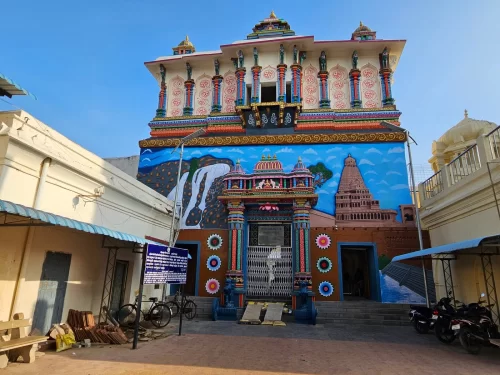
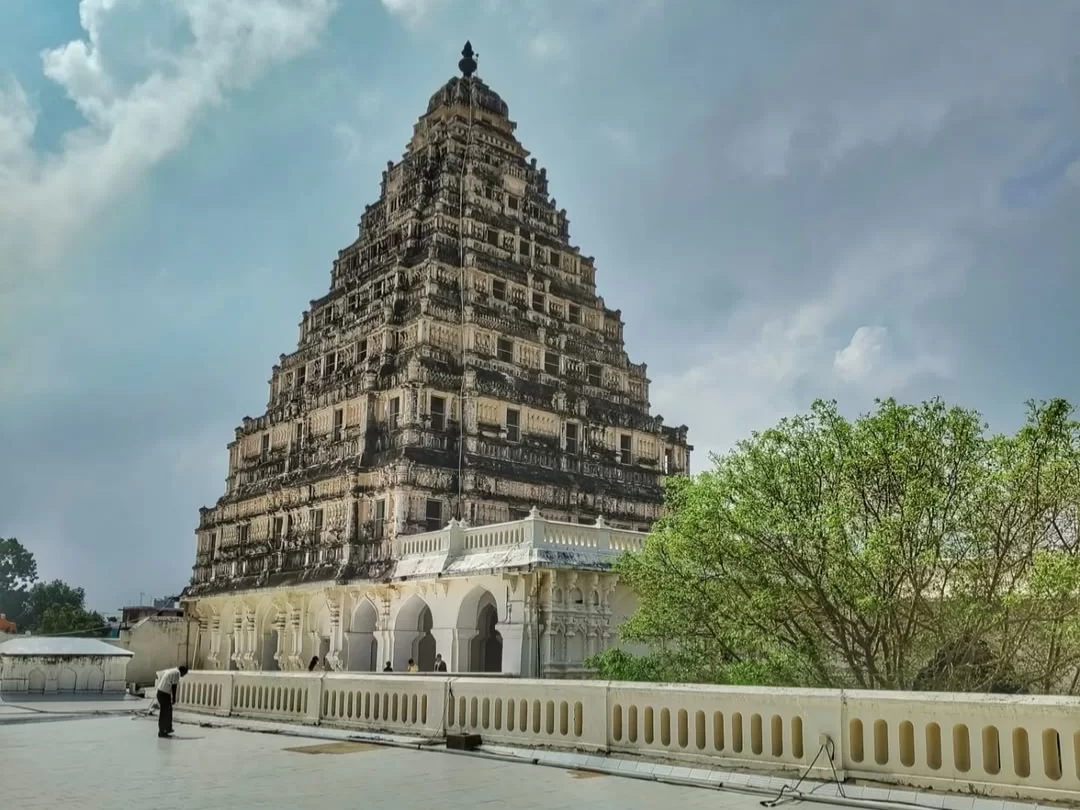
Visitors come to Thanjavur Maratha Palace to explore its grand halls, ornate architecture, and the Saraswathi Mahal Library, which houses a rich collection of ancient manuscripts and rare artifacts.
The atmosphere within the palace complex is serene and contemplative, with spacious courtyards and galleries that allow tourists to observe the intricate art and architectural details at their own pace.
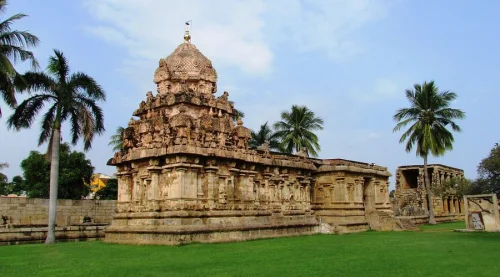
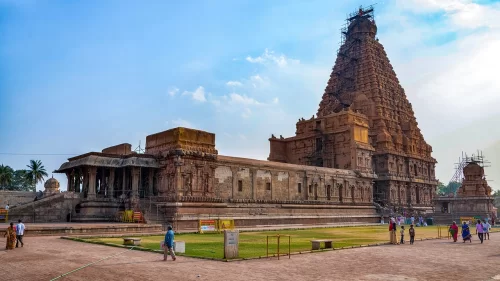
What makes this palace distinct is the combination of Maratha, Nayak, and Chola architectural influences, its collection of bronze sculptures, and the cultural significance of the library, offering a comprehensive experience of Thanjavur’s heritage.
History of Thanjavur Maratha Palace
Thanjavur Maratha Palace was constructed in the 16th century by the Maratha rulers of Thanjavur and served as the royal residence and administrative center.
The palace holds cultural significance for housing the Saraswathi Mahal Library, one of the oldest libraries in Asia, containing manuscripts, historical documents, and rare texts that reflect the region's rich literary and artistic heritage.
Best Time to Visit Thanjavur Maratha Palace
The palace is best visited during the cooler months when exploring the complex and the library is comfortable and suitable for photography.
- Ideal months: November to February
- Weather conditions: Mild temperatures, low humidity, and clear skies for walking through the palace grounds and courtyards
- Periods to avoid: April to June due to high temperatures, and October during occasional heavy rains which may limit outdoor exploration
How to Reach Thanjavur Maratha Palace
- Nearest airport: Tiruchirappalli International Airport, approximately 60 km from Thanjavur, with taxis and rental cars available for onward travel.
- Nearest railway station: Thanjavur Junction, located about 2 km from the palace, with frequent local transport options to reach the site.
- Road access: Well-connected via NH83 and local roads; auto-rickshaws, taxis, and private vehicles provide convenient last-mile access from the city center.
What to Expect When You Visit Thanjavur Maratha Palace
- The palace complex includes spacious courtyards, grand halls, and the Saraswathi Mahal Library, providing a mix of indoor and outdoor exploration areas.
- Facilities include seating areas, interpretive signage, and restrooms; guided tours are available for deeper understanding of the art and manuscripts.
- Movement is mostly on flat surfaces; some areas have steps and narrow corridors, requiring careful walking, especially for seniors and children.
- Visitors typically take time to observe architectural details, artworks, and manuscripts; the site can be busier during weekends and holidays.
Important Visitor Information for Thanjavur Maratha Palace
- Crowd and weather notes: Moderate crowds on weekdays; weekends and local holidays are busier. Hot months (April–June) can make visiting uncomfortable.
- Peak and quiet visiting hours: Peak hours are 10:00 AM – 4:00 PM; mornings are quieter for photography and exploring galleries.
- Dress code: Comfortable clothing and footwear recommended; modest attire is preferred within indoor galleries.
- Safety notes: Supervise children in areas with steps or narrow corridors; handle manuscripts and artifacts only under staff guidance if allowed.
Photography and Viewpoints at Thanjavur Maratha Palace
- Best viewpoints include the palace courtyards and the steps leading to Durbar Hall, offering full views of the architectural layout and sculptures.
- Morning light provides softer illumination for capturing interior carvings and exterior façades, while late afternoon highlights textures and shadows.
- Photography is allowed in most areas, but handling of manuscripts or artifacts is prohibited without staff supervision.
- Weekdays provide quieter conditions; weekends and public holidays may have more visitors affecting unobstructed shots.