Quick Facts About Pancha Rathas
Quick Facts About Pancha Rathas
| Entry Fee | INR 50 per person (ASI ticket) |
|---|---|
| Timings | 6:00 AM – 6:00 PM |
| Altitude (m) | 15 |
| Ideal Visit Duration | 30–45 minutes |
| Best Time of Day | Morning for fewer crowds and softer light for photography |
| Crowd Level | Moderate, higher during weekends and holidays |
| Distance from City Centre (km) | 58 km from Chennai city center |
| Walking Difficulty | Low, mostly flat pathways around the monuments |
| Parking Available | Yes, near the monument entrance |
| Last Mile Access | Auto-rickshaws, taxis, and guided tours from Mahabalipuram town |
| Suitable for Kids | Yes |
| Suitable for Seniors | Yes, easy walking paths with seating areas |
| Wheelchair Friendly | Partial accessibility; flat main pathways but uneven surfaces near rathas |
Why Visit Pancha Rathas
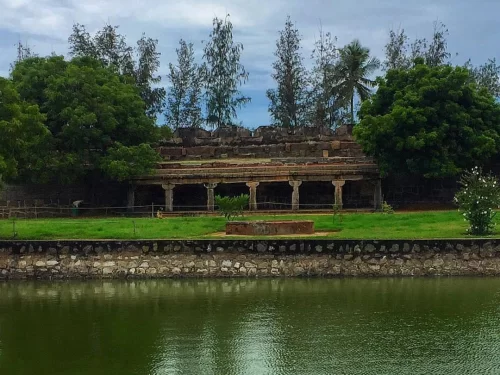
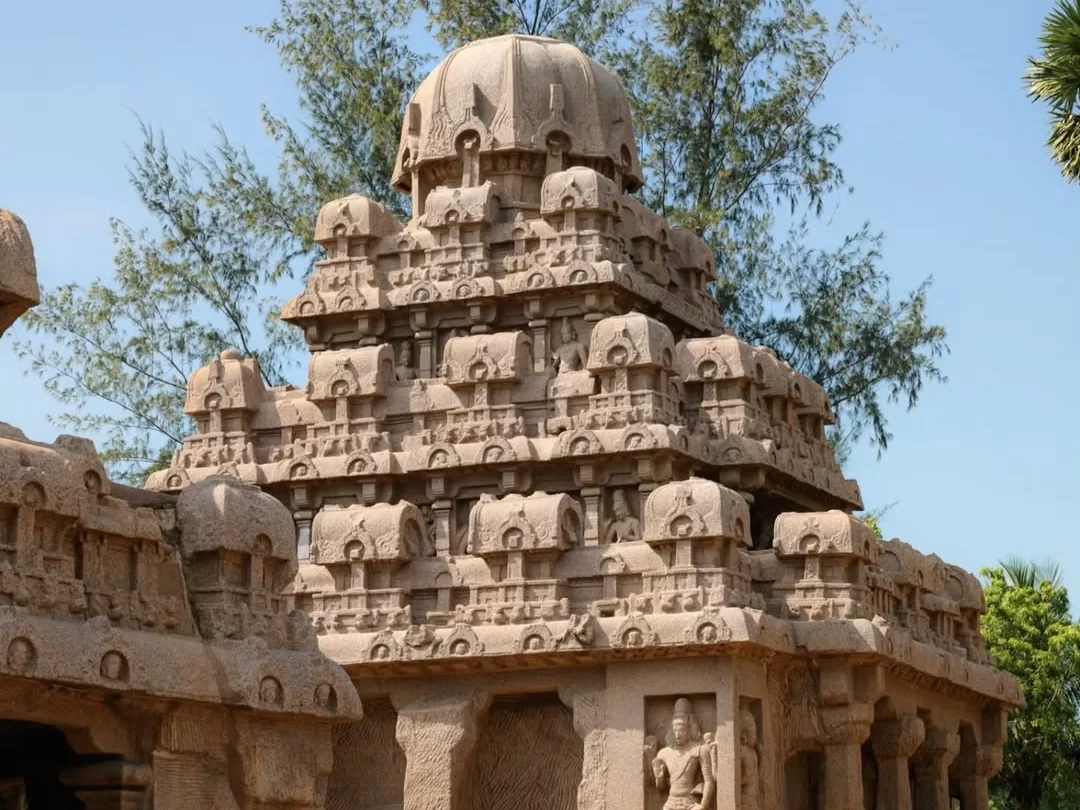
Visitors come to Pancha Rathas to explore the five monolithic rock-cut temples, each carved from a single stone, showcasing Pallava-era architectural techniques and intricate carvings.
The atmosphere is calm and reflective, with visitors walking among the rathas, observing detailed sculptures, and appreciating the alignment and design of each structure.
What makes Pancha Rathas distinct is the variety of temple shapes and sizes, their individual deity representations, and the cohesive layout that demonstrates advanced craftsmanship within a single hillock.
History of Pancha Rathas
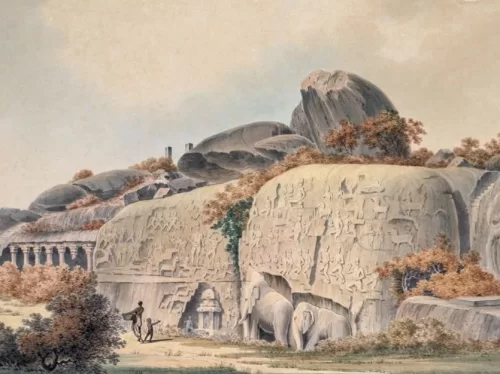
Pancha Rathas were carved in the 7th century during the Pallava dynasty and represent one of the earliest examples of monolithic rock-cut architecture in South India.
The rathas hold cultural and religious significance, each dedicated to a specific deity and reflecting Pallava-era artistic and architectural principles that influenced later Dravidian temple design.
Best Time to Visit Pancha Rathas
The site is best visited during the cooler months when walking around the monuments is comfortable and visibility for photography is optimal.
- Ideal months: November to February
- Weather conditions: Mild temperatures, low humidity, clear skies for exploring and photographing the rock-cut temples
- Periods to avoid: April to June due to high heat, and October during monsoon showers which may make pathways slippery
How to Reach Pancha Rathas
- Nearest airport: Chennai International Airport, approximately 60 km from Mahabalipuram, with taxis and rental cars available for the onward journey.
- Nearest railway station: Chengalpattu Railway Station, about 25 km from Mahabalipuram, with taxis and local buses connecting to the site.
- Road access: Accessible via East Coast Road (ECR); private vehicles, taxis, and buses from Chennai and nearby towns provide direct access to Mahabalipuram monuments.
What to Expect When You Visit Pancha Rathas
- The site consists of five monolithic temples carved from single rocks, set within a flat rocky hillock offering clear views of each ratha.
- Facilities include seating areas, interpretive signage, and nearby restrooms; food options are available in Mahabalipuram town.
- Movement is easy on mostly flat pathways, but caution is needed near uneven rock surfaces and steps.
- Visitors typically walk slowly to observe carvings and take photographs; weekends and holidays are busier, while weekdays are quieter.
Important Visitor Information for Pancha Rathas
- Crowd and weather notes: Moderate crowds on weekdays; higher footfall during weekends and holidays. Hot weather from April to June can make visiting uncomfortable.
- Peak and quiet visiting hours: Peak hours are 10:00 AM – 4:00 PM; early morning provides a quieter experience and better lighting for photography.
- Dress code: Comfortable clothing and footwear recommended for walking on uneven surfaces.
- Safety notes: Stay on marked pathways; avoid climbing on the rathas; supervise children near edges and uneven rocks.
Photography and Viewpoints at Pancha Rathas
- Best viewpoints are from the main pathway and slightly elevated areas around the hillock, allowing full views of all five rathas in a single frame.
- Early morning or late afternoon provides the best natural lighting, highlighting the textures and carvings of the monolithic temples.
- Photography is allowed throughout the site, but climbing on the rathas is strictly prohibited.
- Crowds during weekends and holidays can block clear shots; visiting on weekdays ensures quieter conditions for photography.