Quick Facts About Kailasanathar Temple
Quick Facts About Kailasanathar Temple
| Entry Fee | Free |
|---|---|
| Timings | 6:00 AM – 12:00 PM, 4:00 PM – 8:00 PM |
| Altitude (m) | 75 |
| Ideal Visit Duration | 1–2 hours |
| Best Time of Day | Morning for cooler temperatures and better lighting for photography |
| Crowd Level | Moderate, higher on weekends and festival days |
| Distance from City Centre (km) | 1 km from Kanchipuram city center |
| Walking Difficulty | Low, mostly flat stone pathways |
| Parking Available | Yes, limited space near the temple |
| Last Mile Access | Accessible by auto-rickshaw, taxi, and local buses |
| Suitable for Kids | Yes |
| Suitable for Seniors | Yes, with caution on stone pathways |
| Wheelchair Friendly | Partial accessibility; some steps inside the temple |
Why Visit Kailasanathar Temple
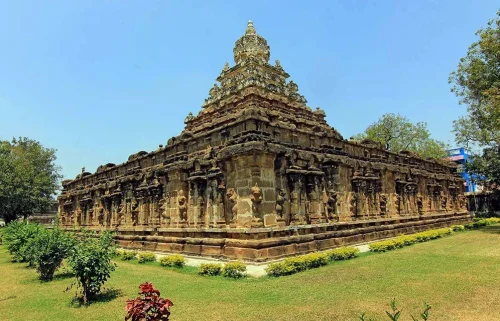
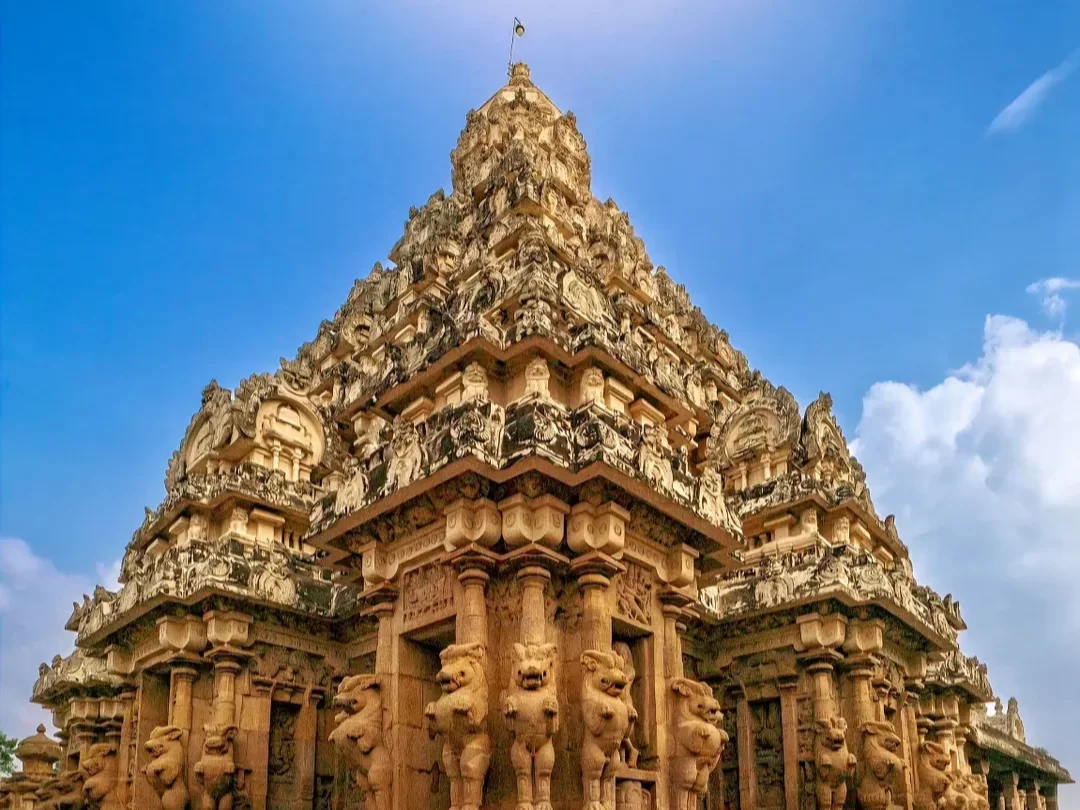
Visitors come to Kailasanathar Temple to observe its early Dravidian architectural style, detailed stone carvings, and the layout reflecting Pallava dynasty craftsmanship.
The atmosphere is calm and contemplative, with minimal crowds, allowing visitors to walk through the temple complex quietly and study the intricate sculptures at their own pace.
What makes this temple distinct is its combination of historical significance, sandstone construction, and sculptural details that provide a clear example of early South Indian temple architecture.
History of Kailasanathar Temple
Kailasanathar Temple was built in the early 8th century by the Pallava dynasty and is one of the oldest surviving examples of Dravidian temple architecture in South India.
The temple holds cultural and religious significance as a major Shaivite center, with daily rituals and traditional festivals that continue to be observed by devotees.
Best Time to Visit Kailasanathar Temple
The temple is best visited during the cooler months when temperatures are comfortable for exploring the complex and viewing the architectural details.
- Ideal months: November to February
- Weather conditions: Mild temperatures, low humidity, clear skies for walking and photography
- Periods to avoid: June to September due to heavy monsoon rains, which can make access and outdoor exploration challenging
How to Reach Kailasanathar Temple
- Nearest airport: Chennai International Airport, approximately 75 km from Kanchipuram, with taxis and buses available to reach the temple.
- Nearest railway station: Kanchipuram Railway Station, about 2 km from the temple, with auto-rickshaws and taxis providing last-mile connectivity.
- Road access: Well-connected via NH48 and local roads; taxis, auto-rickshaws, and private vehicles can reach the temple easily, though parking may be limited during peak tourist hours.
What to Expect When You Visit Kailasanathar Temple
- The temple complex features sandstone structures, carved pillars, and open courtyards, creating a serene and historically rich environment.
- Facilities include basic restrooms and drinking water points; seating is limited and there are small shops near the entrance for offerings.
- Movement is mostly on flat stone pathways, though some areas have steps; partial wheelchair accessibility is available but can be affected by narrow passages.
- Visitors typically maintain a quiet and respectful demeanor; crowds are moderate, with higher footfall during weekends and festival days.
Important Visitor Information for Kailasanathar Temple
- Crowd and weather notes: Moderate crowds on weekdays; higher visitor levels during weekends and local festivals; hot and humid conditions from March to May.
- Peak and quiet visiting hours: Peak hours are 6:00 AM – 8:00 AM and 4:30 PM – 6:30 PM; quieter times are mid-morning and early afternoon.
- Dress code: Modest attire recommended; footwear must be removed before entering sanctum areas.
- Safety notes: Watch for uneven stone pathways and steps; secure personal belongings, especially during busy periods.
Photography and Viewpoints at Kailasanathar Temple
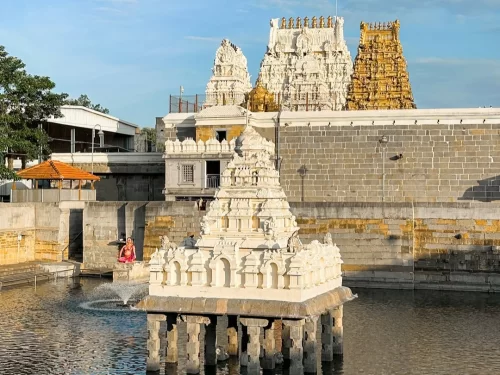
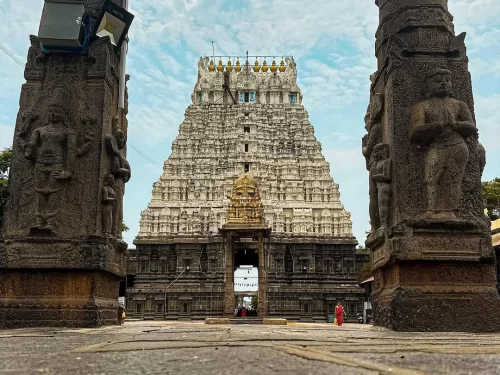
- Best viewpoints are from the temple’s outer courtyards and entrance, capturing the intricately carved sandstone walls and gopurams.
- Early morning and late afternoon provide softer natural lighting, highlighting the details of the sculptures and architectural features.
- Photography inside the sanctum is restricted; visitors may photograph only exterior areas and public courtyards.
- Crowds during weekends and festival days can limit unobstructed shots; mid-morning visits are ideal for clearer photography.