Quick Facts About Kamakshi Amman Temple
Quick Facts About Kamakshi Amman Temple
| Entry Fee | Free |
|---|---|
| Timings | 5:30 AM – 12:00 PM, 4:00 PM – 8:30 PM |
| Altitude (m) | 87 |
| Ideal Visit Duration | 1–1.5 hours |
| Best Time of Day | Morning for rituals and evening for aarti |
| Crowd Level | High during festivals and weekends, moderate on weekdays |
| Distance from City Centre (km) | 0.5 km from Kanchipuram town center |
| Walking Difficulty | Low, mostly flat pathways |
| Parking Available | Yes, limited space near the temple |
| Last Mile Access | Auto-rickshaws, taxis, and local buses |
| Suitable for Kids | Yes |
| Suitable for Seniors | Yes, but some areas have steps |
| Wheelchair Friendly | Partial accessibility; some steps inside the temple |
Why Visit Kamakshi Amman Temple
Visitors come to Kamakshi Amman Temple to experience the spiritual ambiance and observe rituals dedicated to Goddess Kamakshi, a central figure in Vaishnavite and Shaivite traditions.
The atmosphere is devotional and serene, with the chanting of priests, ringing of temple bells, and the flow of devotees creating an immersive and reverent environment.
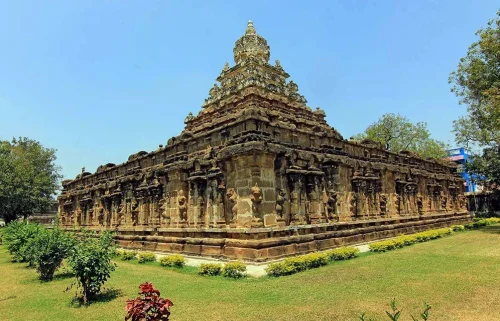
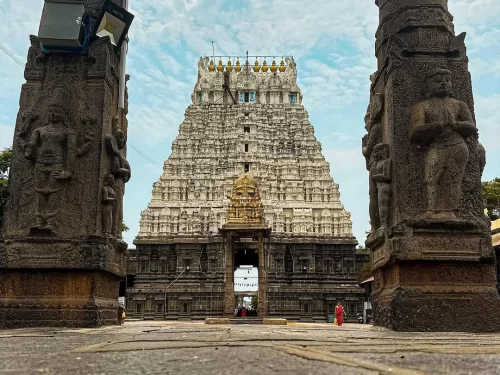
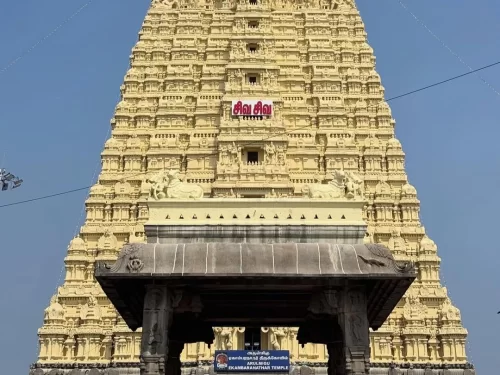
What makes this temple distinct is its architectural elegance, including sculpted gopurams, detailed stone carvings, and the continuation of traditional worship practices in a living religious site.
History of Kamakshi Amman Temple
Kamakshi Amman Temple in Kanchipuram was constructed during the Pallava period and later expanded under the Vijayanagara rulers, showcasing classic Dravidian temple architecture.
The temple holds significant cultural and religious importance as a major Shakti center, with ongoing rituals and festivals that attract devotees and scholars of South Indian temple traditions.
Best Time to Visit Kamakshi Amman Temple
The temple is best visited during the cooler months when temperatures are comfortable for exploring the complex and observing rituals.
- Ideal months: November to February
- Weather conditions: Mild temperatures, low humidity, and clear skies for walking and photography
- Periods to avoid: June to September due to heavy monsoon rains, which can make travel and outdoor visits challenging
How to Reach Kamakshi Amman Temple
- Nearest airport: Chennai International Airport, approximately 75 km from Kanchipuram, with taxis and buses available for the onward journey.
- Nearest railway station: Kanchipuram Railway Station, about 1 km from the temple, with auto-rickshaws and taxis for last-mile connectivity.
- Road access: Well-connected via NH48 and local roads; taxis, auto-rickshaws, and private vehicles can reach the temple easily, though parking may be limited during festivals and peak hours.
What to Expect When You Visit Kamakshi Amman Temple
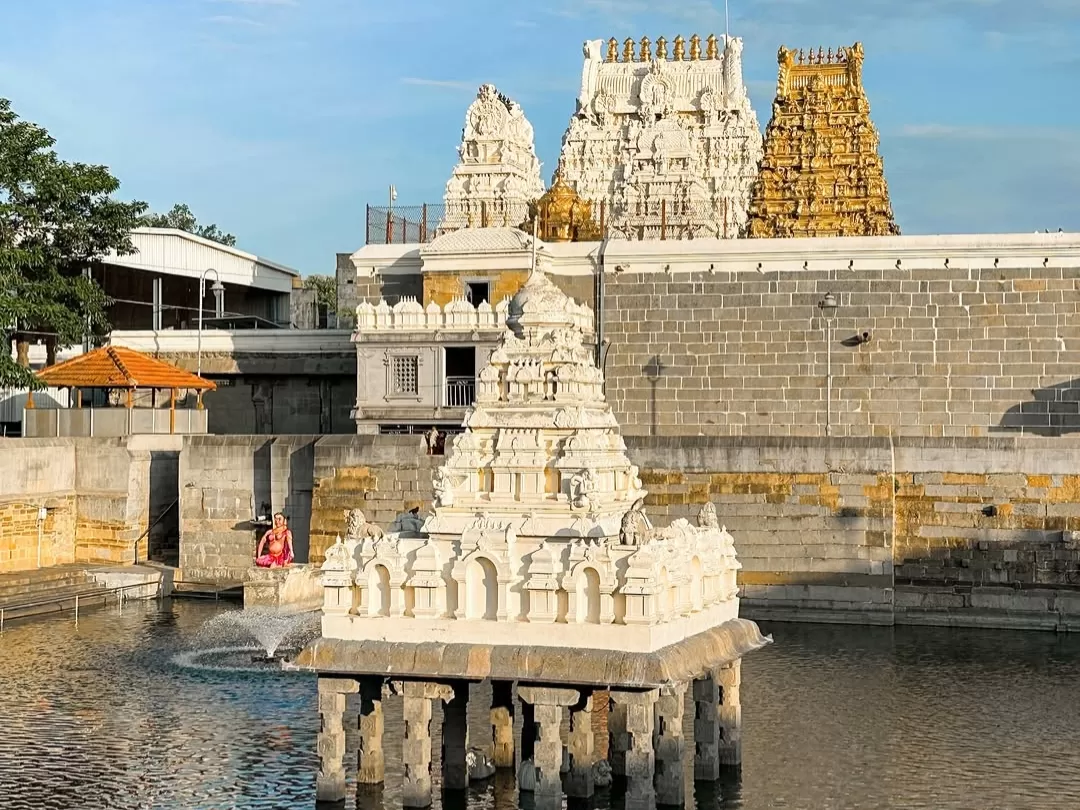
- The temple complex features spacious courtyards, tall gopurams, and intricately carved shrines, creating a devotional and culturally rich environment.
- Facilities include basic restrooms, drinking water points, and limited seating areas; small shops near the entrance offer religious items and offerings.
- Movement is mostly on flat pathways, with some steps; partial wheelchair accessibility is available but can be affected by crowds and narrow passages.
- Visitors maintain a respectful and quiet demeanor, with higher foot traffic during festivals and aartis, requiring patience while navigating the complex.
Important Visitor Information for Kamakshi Amman Temple
- Crowd and weather notes: Moderate crowds on weekdays; higher visitor levels during weekends and festival days. Hot and humid conditions from March to May.
- Peak and quiet visiting hours: Peak hours are 6:00 AM – 8:00 AM and 5:00 PM – 7:00 PM; quieter periods are mid-morning and early afternoon.
- Dress code: Modest attire is required; footwear must be removed before entering sanctum areas.
- Safety notes: Watch for uneven stone pathways and steps; secure personal belongings, particularly during busy periods.
Photography and Viewpoints at Kamakshi Amman Temple
- Best viewpoints are from the temple’s outer courtyards and main entrance, showcasing the tall gopurams and intricately carved shrines.
- Early morning and late afternoon provide soft natural light, enhancing the visibility of architectural and sculptural details.
- Photography inside the sanctum is restricted; visitors can photograph only exterior areas and public courtyards.
- Crowds during festivals and peak hours may limit unobstructed shots; mid-morning or early afternoon visits allow clearer photography.