Quick Facts About Singhshore Bridge
| Entry Fee | Free |
| Timings | 06:00 - 18:00 |
| Altitude (m) | 100 |
| Ideal Visit Duration (hrs) | 1 |
| Best Time of Day | Morning |
| Crowd Level | Moderate |
| Distance from Pelling (km) | 5 |
| Walking Difficulty | Easy |
| Parking Available | Yes |
| Last Mile Access | Walk |
| Suitable for Kids | Yes |
| Suitable for Seniors | Yes |
| Wheelchair Friendly | No |
Why Visit Singhshore Bridge
Why Visit: Singhshore Bridge is a must-visit destination in Sikkim for travelers seeking a combination of natural beauty and thrilling adventure. As one of the highest suspension bridges in the region, it offers a unique experience of walking above a deep gorge, surrounded by lush green hills and the flowing Rangeet River. It is ideal for photography, sightseeing, and short adventure experiences.
Atmosphere: The bridge provides an exhilarating yet serene atmosphere. The sound of the river below, the fresh mountain air, and the panoramic views of forests and distant hills create a feeling of openness and freedom. Visitors often feel both excitement from the height and a sense of peace from the surrounding natural beauty.
What Makes it Special: Singhshore Bridge is special due to its unique structure, spanning one of Sikkim’s deepest gorges, making it an engineering marvel amidst the Himalayas. The scenic views of the river, valleys, and hills, combined with the thrill of walking on a suspension bridge, make it an unforgettable experience. It also offers excellent photo opportunities, especially during clear mornings and sunset hours.
History and Significance of Singhshore Bridge
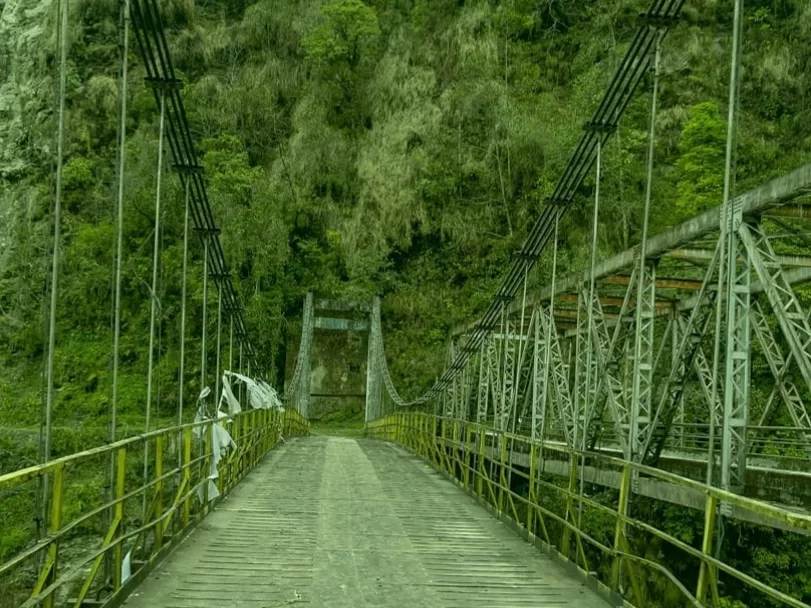
Singhshore Bridge is a modern suspension bridge built to connect remote villages in West Sikkim and improve local accessibility. While it does not have ancient historical or religious significance, it has become a prominent landmark due to its impressive height and engineering design. The bridge spans a deep gorge over the Rangeet River, offering practical connectivity as well as a unique tourist attraction.
Over time, Singhshore Bridge has gained popularity among travelers, photographers, and adventure enthusiasts, making it an important part of Sikkim’s tourism circuit. Its significance today lies in providing a thrilling experience and scenic views of the surrounding Himalayan landscape rather than historical or cultural heritage.
Best Time to Visit Singhshore Bridge
Singhshore Bridge can be visited throughout the year, but certain months offer the best weather, clearer skies, and a more enjoyable experience. Planning your visit according to the season helps maximize scenic views and adventure enjoyment.
- Spring (March to May): This is the most popular time to visit. The weather is pleasant with temperatures ranging from 10°C to 20°C, and the surrounding hills are lush and green. Ideal for photography and sightseeing.
- Summer (June to August): Summer brings heavy greenery and occasional rainfall. The bridge and surrounding paths may be slippery during monsoon, so visitors should take caution. The natural beauty during this period is enhanced by misty clouds and flowing rivers.
- Autumn (September to November): Another excellent period to visit. Clear skies, cool weather, and panoramic views of the mountains make it perfect for photography and adventure activities. The moderate crowd during this time ensures a relaxed visit.
- Winter (December to February): Winters are cold with temperatures dropping to 0°C–10°C. Morning mist can create a mystical view of the bridge and surrounding gorge, though caution is advised due to icy conditions.
For most visitors, March to May and September to November are considered the best months for a comfortable and scenic visit to Singhshore Bridge.
How to Reach Singhshore Bridge
- By Air: The nearest airport is Pakyong Airport, approximately 120 km from Singhshore Bridge. From the airport, travelers can hire a taxi or self-drive via NH10 and local roads to reach the bridge, which typically takes around 4–5 hours.
- By Train: The closest major railway station is New Jalpaiguri (NJP)
- By Road: Singhshore Bridge is well-connected by motorable roads. Visitors can reach it via private car, taxi, or shared cabs from Pelling (5 km), Gangtok (120 km), or Yuksom (40 km). Roads are mostly paved but may be narrow and winding in sections, especially near hilly stretches.
- Local Transport: From the nearest parking area, a short walk leads to the bridge approach. Walking paths are gentle and easy to navigate, suitable for most visitors.
- Tips for Travelers: Roads in Sikkim can be affected by rain or landslides during the monsoon season (June–August). Hiring a local driver familiar with mountain routes is recommended for safety and convenience.
What to Expect When You Visit Singhshore Bridge
- Thrilling Experience: Walking across one of the highest suspension bridges in Sikkim offers an exhilarating sense of adventure and excitement, especially as you look down at the deep gorge and flowing Rangeet River below.
- Scenic Views: Expect panoramic views of the surrounding hills, forests, and the river valley. The bridge provides excellent opportunities for landscape and nature photography.
- Short Walking Trails: A short walk from the parking area leads to the bridge. The paths are easy to navigate, allowing visitors to enjoy a light walk amidst scenic surroundings.
- Peaceful Atmosphere: Despite being an adventure spot, the bridge and surrounding area are relatively quiet, offering a calm and refreshing environment away from crowded tourist spots.
- Photography Opportunities: Expect plenty of opportunities for capturing dramatic shots of the bridge, gorge, river, and surrounding Himalayan landscape. Early morning and late afternoon provide the best lighting conditions.
- Nature and Wildlife: The surrounding forests are home to local flora and occasional wildlife, adding to the natural charm and beauty of the area.
- Safety Considerations: The bridge sways slightly with wind and movement, so visitors should hold onto handrails and supervise children for safety.
Photography and Viewpoint at Singhshore Bridge
- Panoramic Views: The bridge offers breathtaking panoramic views of the surrounding mountains, valleys, and the deep gorge beneath. Photographers can capture expansive landscape shots from multiple angles along the bridge.
- Suspension Bridge Shots: The structure itself is an impressive subject. Capture the swaying suspension bridge from the approach path, side angles, or from the far end to showcase its engineering amidst the natural landscape.
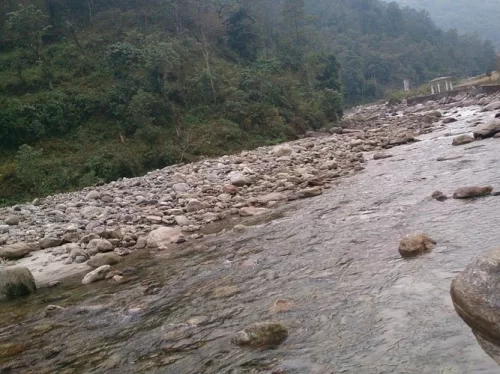
- River and Gorge Photography: The flowing Rangeet River below and the surrounding gorge provide dramatic shots, especially during early morning when mist rises from the valley, adding a mystical effect.
- Golden Hour and Sunrise: Early mornings and late afternoons provide the best lighting for photography. The golden hour highlights the bridge and surrounding hills, creating vibrant and warm tones in your images.
- Flora and Wildlife: The forests around the bridge are home to native plants and occasional birds or small wildlife, giving opportunities for close-up nature photography along the trails.
- Drone Photography (Where Allowed): For travelers with drones, aerial shots of the bridge spanning the gorge can be particularly spectacular, showing both the height and scenic surroundings. Always ensure local permissions are followed.
- Tips for Photographers: Carry a tripod for steady shots, especially during low-light conditions. Capture the bridge from different perspectives—side, end, and from the river viewpoint below if accessible—for a variety of compositions.