Darap Village Sikkim – Serene Eco-Village Experience

Darap Village , Pelling
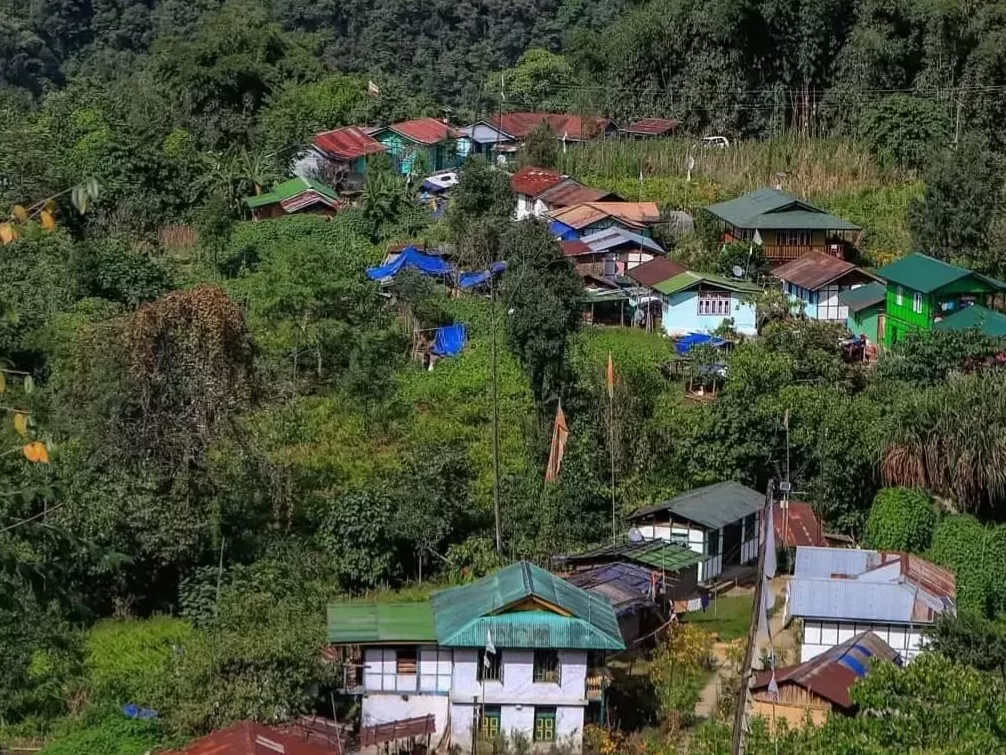
Darap is a charming village located near Pelling in West Sikkim, offering travelers a peaceful escape amid terraced fields, orchards, and forested hills. The village is known for its warm local hospitality, traditional Sikkimese houses, and cultural experiences. Visitors can explore nearby monasteries, enjoy nature walks, and witness local handicrafts and cuisine. Darap is an ideal destination for those seeking eco-tourism, cultural immersion, and scenic tranquility away from crowded towns.

Quick Facts About Darap Village

Entry Fee Free
Timings 00:00 - 23:59
Altitude (m) 1800
Ideal Visit Duration (hrs) 4
Best Time of Day Morning
Crowd Level Moderate
Distance from Pelling (km) 8
Walking Difficulty Easy
Parking Available Yes
Last Mile Access Walk
Suitable for Kids Yes
Suitable for Seniors Yes
Wheelchair Friendly No

Why Visit Darap Village

Why Visit: Darap Village is a hidden gem in West Sikkim that offers travelers a peaceful retreat amidst terraced fields, orchards, and traditional Himalayan homes. It is ideal for those seeking eco-tourism experiences, cultural immersion, and a break from crowded tourist spots. The village also provides opportunities to interact with local communities, learn about their customs, and enjoy homemade Sikkimese cuisine.

Atmosphere: The village exudes a calm and serene atmosphere, surrounded by lush green hills and misty mountain landscapes. Walking through narrow lanes and observing the day-to-day life of the villagers gives a sense of authenticity and connection to Sikkim’s traditional rural lifestyle.

What Makes it Special: Darap is special for its blend of natural beauty and cultural heritage. Unlike heavily commercialized tourist areas, it retains its authentic charm with minimal crowding. Visitors can enjoy scenic photography, leisurely walks, and even stay in local homestays for an immersive experience. Seasonal blossoms, terraced fields, and views of nearby monasteries further enhance its appeal as a tranquil destination.

History and Cultural Significance of Darap Village

Darap Village is one of the traditional villages in West Sikkim, primarily inhabited by the Bhutia and Lepcha communities. The village reflects the local Sikkimese way of life, preserving traditional houses, terraced farming techniques, and indigenous practices. While it does not have a notable historical event or monument, the cultural heritage of the village lies in its daily life, handicrafts, and festivals.

The villagers celebrate local festivals such as Losar and Pang Lhabsol, giving visitors an insight into Sikkimese customs and rituals. Darap is also known for its eco-tourism initiatives, where visitors can experience sustainable living practices and interact with locals to learn about their culture, food, and handicrafts. The authenticity and preservation of rural traditions make Darap Village a culturally significant destination in Sikkim.

Best Time to Visit Darap Village

Darap Village can be visited throughout the year, but certain months offer the best weather, scenic beauty, and cultural experiences. Planning your visit according to the season ensures a comfortable and memorable trip.

  • Spring (March to May): This is one of the best times to visit Darap. The weather is pleasant, ranging from 10°C to 20°C, and the village and surrounding hills are lush green. Flowers bloom across terraced fields, making it ideal for nature walks and photography.
  • Summer (June to August): Summer brings rich greenery and occasional rainfall. The village looks vibrant, but visitors should be cautious of slippery paths during monsoon showers. Early mornings are perfect for photography before the clouds gather.
  • Autumn (September to November): Another ideal period for visiting. Clear skies, moderate temperatures, and scenic landscapes make this season perfect for exploring the village, taking walks, and capturing panoramic views.
  • Winter (December to February): Winters are cold, with temperatures ranging from 0°C to 10°C. The village is quieter, and morning mist adds a magical charm to the surroundings. Light jackets and warm clothing are recommended.

For most travelers, March to May and September to November are considered the best months to experience Darap Village at its scenic and cultural best.
How to Reach Darap Village

  • By Air: The nearest airport is Pakyong Airport, about 120 km from Darap Village. From the airport, travelers can hire a taxi or self-drive via NH10 and local roads to reach Pelling and then proceed to Darap. The journey takes approximately 4–5 hours depending on road conditions.
  • By Train: The closest major railway station is New Jalpaiguri (NJP)
  • By Road: Darap Village is well-connected by roads from nearby towns. Visitors can reach it via private car, taxi, or shared cabs from Pelling (8 km), Yuksom (35 km), or Gangtok (120 km). The roads are mostly paved, though some hilly stretches may be narrow and winding.
  • Local Transport: Once in the village, most attractions and viewpoints are accessible by foot. Walking paths are easy to navigate, making it suitable for casual strolls and light treks.
  • Tips for Travelers: Road conditions in Sikkim can be affected by rain or landslides during the monsoon (June–August). It is recommended to hire local drivers familiar with mountain routes for safety and convenience. Carry warm clothing in winter due to low temperatures at higher altitudes.

What to Expect When You Visit Darap Village

  • Scenic Beauty: Expect panoramic views of terraced fields, orchards, and forested hills. The village offers a peaceful environment with misty mornings and vibrant greenery during spring and summer.
  • Cultural Experience: Visitors can interact with local Bhutia and Lepcha communities, observe traditional Sikkimese houses, and witness rural life, including farming and handicraft activities.
  • Eco-Tourism Activities: Darap promotes eco-tourism, offering nature walks, short treks, and homestay experiences. Visitors can enjoy sustainable practices and learn about local agriculture and lifestyle.
  • Peaceful Atmosphere: The village is relatively quiet with low crowd levels, providing a calm and relaxing experience away from busy tourist hubs.
  • Photography Opportunities: Expect excellent photo opportunities with scenic landscapes, traditional houses, terraced fields, and seasonal blossoms. Early morning light enhances the beauty of the surroundings.
  • Local Cuisine: Visitors staying in homestays can experience authentic Sikkimese meals made with locally sourced ingredients, adding to the cultural immersion.
  • Short Walking Trails: The village has easy walking paths suitable for families, seniors, and children. Paths are gentle, allowing leisurely exploration without strenuous effort.

Important Visitor Information for Darap Village

  • Crowd & Weather Notes: Darap Village is generally quiet with low to moderate crowds. Peak tourist season is during spring (March–May) and autumn (September–November). Summers (June–August) bring occasional rainfall, making paths slightly slippery, while winters (December–February) are cold with occasional mist and frost in the mornings.
  • Peak / Quiet Hours: Early mornings (6:00 AM – 9:00 AM) and late afternoons (3:00 PM – 6:00 PM) are the quietest times for a peaceful walk and photography. Midday sees moderate activity from homestay visitors and local farmers.
  • Dress Code: There is no formal dress code, but modest, comfortable clothing is recommended. Warm clothes are advised in winter months, while raincoats or umbrellas are useful during monsoon. Comfortable walking shoes are recommended for village paths and terraced fields.
  • Safety Notes: Darap Village is safe for tourists, but caution is advised on uneven village paths, especially near terraced fields and during rainy or misty conditions. Supervise children during walks, and follow local guidance for trekking or accessing forested areas.

Photography and Viewpoints at Darap Village

  • Terraced Fields: Capture the lush, green terraced fields that surround the village. Early morning or late afternoon light enhances the vibrant colors and adds depth to your landscape shots.
  • Traditional Village Houses: Darap is known for its traditional Bhutia and Lepcha houses made with wood and stone. Photograph the unique architecture combined with scenic mountain backdrops.
  • Mountain and Forest Views: The village offers panoramic views of forested hills and distant mountains. Elevated viewpoints provide sweeping vistas ideal for wide-angle landscape photography.
  • Misty Mornings: Morning mist adds a mystical quality to photos, especially around the village lanes and fields. This is perfect for atmospheric shots and serene landscapes.
  • Local Culture: Capture authentic village life, local farmers working in the fields, traditional festivals, and handicraft activities. These shots highlight the cultural essence of Darap.
  • Sunrise and Sunset: Early mornings and late afternoons offer the best natural light for photography. The golden hour illuminates the terraced fields and mountains with warm tones.
  • Tips for Photographers: Use a tripod for low-light and misty conditions, explore multiple viewpoints along village lanes, and respect local privacy when photographing residents. Wide-angle lenses work well for capturing the full scenic beauty.

Near By Attraction

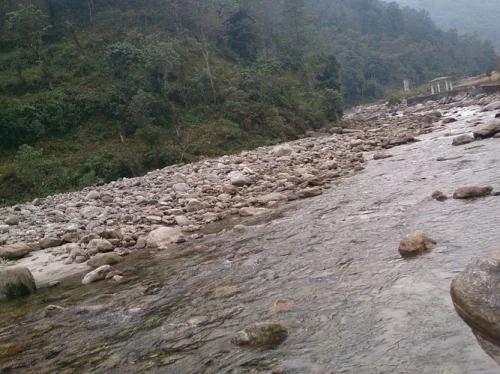
Sewaro Rock Garden Sikkim riverside park with rocky riverbed and scenic forest surroundings Tourist Attraction

Sewaro Rock Garden

Sewaro Rock Garden is a beautiful natural garden in Sikkim featuring unique rock formations, flowing streams, and lush greenery, perfect for nature lovers and photography enthusiasts.
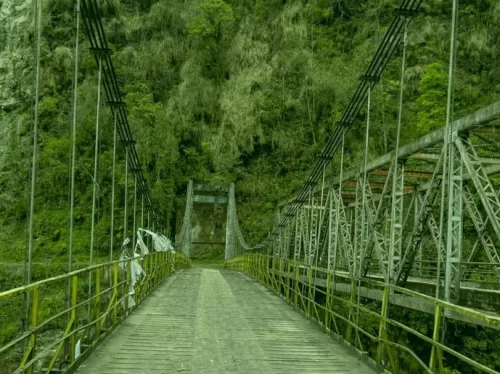
Singhshore Bridge West Sikkim scenic suspension bridge over lush Himalayan valley and river gorge Bridge

Singhshore Bridge

Singhshore Bridge is a picturesque suspension bridge in Sikkim offering panoramic views of the surrounding mountains and rivers.

Khecheopalri Lake Sikkim sacred Buddhist lake surrounded by lush forest and serene Himalayan landscape Lake

Khecheopalri Lake

Khecheopalri Lake, also known as “Wish-Fulfilling Lake,” is a serene and sacred natural spot in Sikkim, surrounded by lush forests and spiritual significance.

Frequently Asked Questions About Darap Village

The best time to visit Darap Village is from March to June and from October to December when the weather in West Sikkim remains pleasant. Clear skies during these months offer better views of the surrounding hills.
Darap Village is located near Pelling in West Sikkim and is known for its traditional Limboo culture and rural setting. It is situated a few kilometers away from the main tourist hubs.
Darap Village can be reached by a short drive of about 15 to 20 minutes from Pelling in West Sikkim. Local taxis and private vehicles are the most convenient travel options.
There is no major entry fee to visit Darap Village as it is a living rural settlement. Visitors can explore the area respectfully without purchasing tickets.
Around half a day to one full day is sufficient to explore Darap Village and experience its peaceful environment. Travelers often combine the visit with nearby attractions in West Sikkim.
Darap Village is suitable for family trips as the terrain is mostly gentle and the atmosphere is calm. Basic supervision is recommended for children in open village areas.
Darap Village offers homestay style accommodations that provide a local cultural experience. Facilities are simple but comfortable for short stays in West Sikkim.
Local food options in Darap Village mainly include traditional Sikkimese dishes prepared by homestay hosts. Meals are usually home cooked and based on seasonal ingredients.
Visitors to Darap Village can experience traditional Limboo cultural performances and village life activities depending on availability. Cultural programs are often arranged on request.
Visitors should carry comfortable clothing, light woolens, and basic personal essentials while visiting Darap Village. Weather in West Sikkim can become cooler in the evenings.

Loved this place ? Let’s Plan Your Sikkim Trip

Get customized Sikkim tour planning based on season, altitude comfort, travel permits, and realistic road travel time. Whether you are visiting for scenic landscapes, monastery circuits, mountain views, or peaceful hill stays, our experts design practical

⚡ Quick Response | 💰 Free consultation | 🕒 24×7 expert support

×

Plan Your Trip