Quick Facts About Sanghak Choeling Monastery
| Entry Fee | Free |
| Timings | 08:00 - 17:00 |
| Altitude (m) | 2150 |
| Ideal Visit Duration (hrs) | 2 |
| Best Time of Day | Morning |
| Crowd Level | Moderate |
| Distance from Pelling (km) | 8 |
| Walking Difficulty | Moderate |
| Parking Available | Yes |
| Last Mile Access | Walk |
| Suitable for Kids | Yes |
| Suitable for Seniors | No |
| Wheelchair Friendly | No |
Why Visit Sanghak Choeling Monastery
Sanghak Choeling Monastery is a must-visit destination for travelers seeking spiritual enrichment and cultural insight in Sikkim. It is one of the oldest monasteries in the region, offering a serene environment that is perfect for meditation, reflection, and understanding Tibetan Buddhist practices.
The atmosphere at the monastery is tranquil and meditative, enhanced by the chanting of monks, fluttering prayer flags, and the peaceful surrounding forest. Visitors can experience the calm of monastic life and witness traditional rituals that have been preserved for centuries.
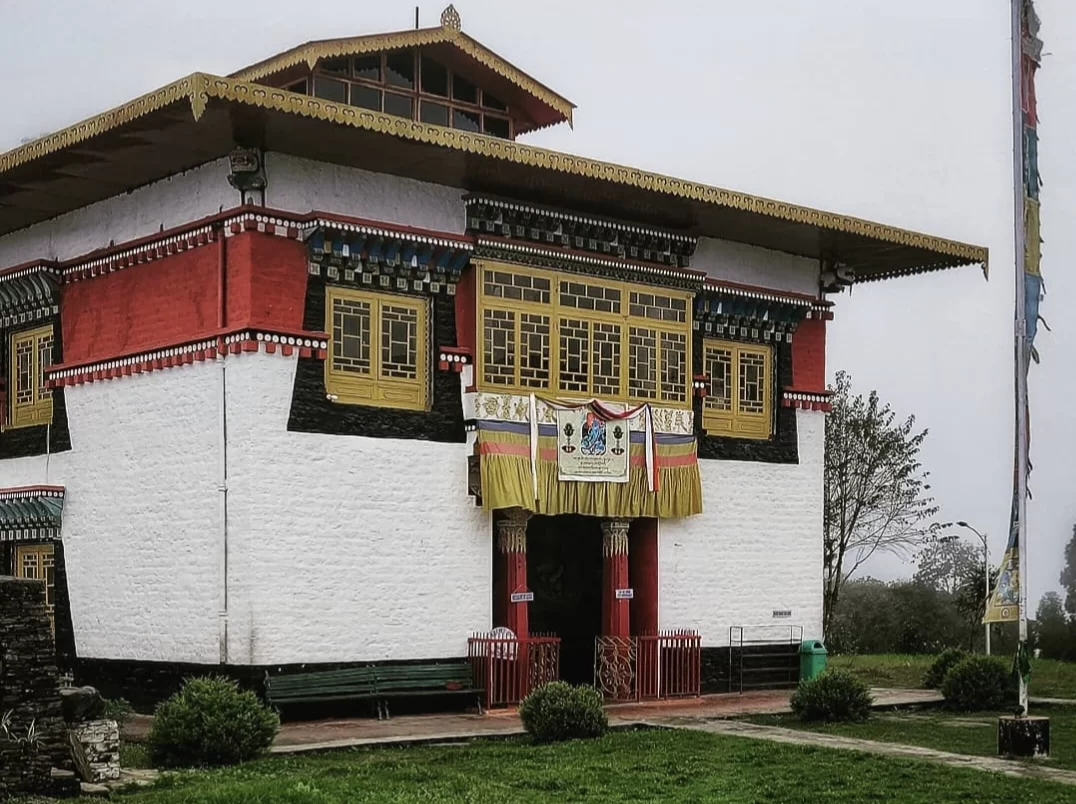
What makes Sanghak Choeling Monastery special is its rich history, beautiful Tibetan-style architecture, and panoramic views of the Kanchenjunga range. The monastery provides an immersive experience where spirituality, history, and natural beauty come together, making it a unique and memorable destination in Sikkim.
History & Cultural Significance
Sanghak Choeling Monastery was established in the early 18th century and is one of the oldest monasteries of the Nyingma sect in Sikkim. Founded to preserve Buddhist teachings and rituals, it has been a center for spiritual learning and meditation for centuries.
The monastery is culturally significant as it maintains traditional Tibetan Buddhist practices, including daily prayers, rituals, and festivals. Its architecture, adorned with intricate murals, prayer halls, and vibrant prayer flags, reflects the rich heritage and spiritual traditions of Sikkimese Buddhism.
Over the years, Sanghak Choeling has remained a vital hub for local monks and devotees, preserving centuries-old practices and offering visitors a chance to connect with Sikkim’s religious and cultural legacy amidst tranquil natural surroundings.
Best Time to Visit Sanghak Choeling Monastery
The most favorable time to visit Sanghak Choeling Monastery is during the spring (March to May) and autumn (September to November) months. During these periods, the weather is pleasant, skies are clear, and the views of the surrounding Kanchenjunga range are at their best.
Winter (December to February) can be cold but offers a quieter and more peaceful experience. Monsoon season (June to August) brings heavy rainfall, making the uphill paths slippery and visibility limited.
- March–May: Pleasant temperatures, vibrant surroundings, and ideal conditions for photography and trekking to the monastery.
- September–November: Cool weather with clear skies, perfect for sightseeing and enjoying panoramic Himalayan views.
- December–February: Cold and serene; fewer visitors make it ideal for meditation and quiet exploration, but warm clothing is required.
- June–August: Heavy rains during the monsoon; trails can be slippery and access may be challenging.
Visiting early in the morning is recommended to enjoy the monastery in a tranquil setting and capture stunning photographs of the surrounding hills and mountains.
How to Reach Sanghak Choeling Monastery
- From Pelling Town: Sanghak Choeling Monastery is approximately 8 km from Pelling. Visitors can hire a taxi or take a shared jeep to the base, followed by a short uphill walk through forested trails to the monastery.
- By Road: Pelling is well-connected by road to major towns in Sikkim and West Bengal. Private taxis and state-run buses provide convenient access to the monastery area.
- From Gangtok: Gangtok, the state capital, is around 120 km away. Visitors can travel by taxi or bus to Pelling, then proceed to the monastery via local transport.
- By Air: Pakyong Airport, about 110 km from Pelling, is the nearest airport. Bagdogra Airport (West Bengal), roughly 150 km away, is another option, followed by a taxi or shared jeep to Pelling.
- By Train: The nearest railway station is New Jalpaiguri (NJP), around 150 km away. From NJP, visitors can hire taxis or take buses to Pelling and then to the monastery.
- Last Mile Access: From the parking area, a 10–15 minute uphill walk along stone steps and forest paths is required to reach the main monastery complex.
What to Expect When You Visit Sanghak Choeling Monastery
- Spiritual Atmosphere: Experience a serene environment with chanting monks, prayer rituals, and meditation sessions that create a calming and reflective ambiance.
- Architectural Beauty: The monastery features traditional Tibetan-style architecture, colorful murals, prayer halls, and statues of Buddhist deities that showcase centuries-old craftsmanship.
- Scenic Surroundings: Nestled in lush forests and rolling hills, the monastery offers panoramic views of the Kanchenjunga range, providing a perfect blend of spirituality and natural beauty.
- Moderate Trek: Visitors should expect a short uphill walk along stone paths, offering both mild physical activity and rewarding vistas upon reaching the monastery.
- Cultural Insight: Observe traditional Buddhist practices, interact with monks, and learn about the Nyingma sect’s teachings and local customs.
- Photography Opportunities: Capture the vibrant prayer flags, ancient architecture, and surrounding Himalayan landscape, especially during morning or late afternoon light.
Important Visitor Information
- Crowd & Weather Notes: Sanghak Choeling Monastery experiences low to moderate crowds, with weekends and festival days being slightly busier. Spring and autumn provide pleasant weather and clear skies, while monsoon brings heavy rainfall. Winter is cold but quieter.
- Peak / Quiet Hours: Early morning (8:00 AM – 10:00 AM) is the best time to visit for peaceful exploration, meditation, and photography. Midday may see more local visitors.
- Dress Code: Modest clothing is recommended when visiting the monastery. Comfortable walking shoes are essential due to uphill stone paths and uneven terrain.
- Safety Notes: Exercise caution on steep and uneven trails. Stay on designated paths, supervise children, and carry water for the uphill walk. Avoid touching sacred artifacts and maintain silence inside prayer halls.
Photography and Viewpoint
- Panoramic Himalayan Views: Sanghak Choeling Monastery offers stunning vistas of the Kanchenjunga range and surrounding hills, perfect for landscape photography.
- Monastery Architecture: Capture vibrant prayer flags, intricate murals, traditional Tibetan-style buildings, and serene courtyards that reflect centuries-old craftsmanship.
- Morning and Evening Light: Early morning and late afternoon provide soft, natural lighting, ideal for both wide-angle and close-up shots of the monastery and surrounding landscape.
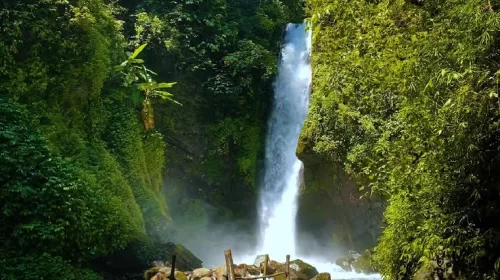
- Forest Surroundings: The lush greenery and forested paths leading to the monastery offer opportunities for nature photography along the approach trail.
- Cultural Moments: During rituals and festivals, visitors can photograph monks performing traditional ceremonies, adding depth and color to the visual experience.
- Viewpoints Along Trails: Multiple vantage points along the uphill walk allow visitors to frame the monastery against panoramic backdrops of hills, valleys, and distant mountains.