Quick Facts About Rimbi Waterfalls
| Entry Fee | Free |
| Timings | 08:00 - 17:00 |
| Altitude (m) | 1950 |
| Ideal Visit Duration (hrs) | 2 |
| Best Time of Day | Morning |
| Crowd Level | Moderate |
| Distance from Pelling (km) | 15 |
| Walking Difficulty | Moderate |
| Parking Available | Yes |
| Last Mile Access | Trek |
| Suitable for Kids | Yes |
| Suitable for Seniors | No |
| Wheelchair Friendly | No |
Why Visit Rimbi Waterfalls
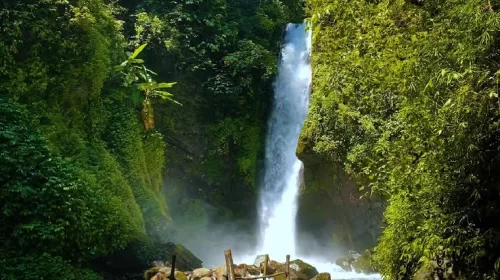
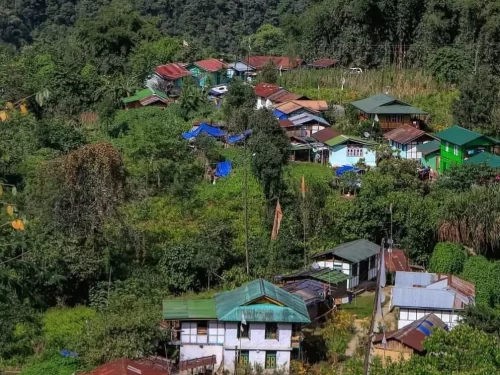
Rimbi Waterfalls is a captivating natural attraction that offers visitors a serene escape amidst the lush hills of Sikkim. It is a perfect destination for nature lovers, photographers, and those seeking a peaceful retreat away from crowded tourist spots.
The atmosphere at Rimbi Waterfalls is tranquil and refreshing, with the sound of cascading water, cool mist, and the surrounding greenery creating a soothing experience. The gentle trails leading to the falls add to the sense of adventure and exploration.
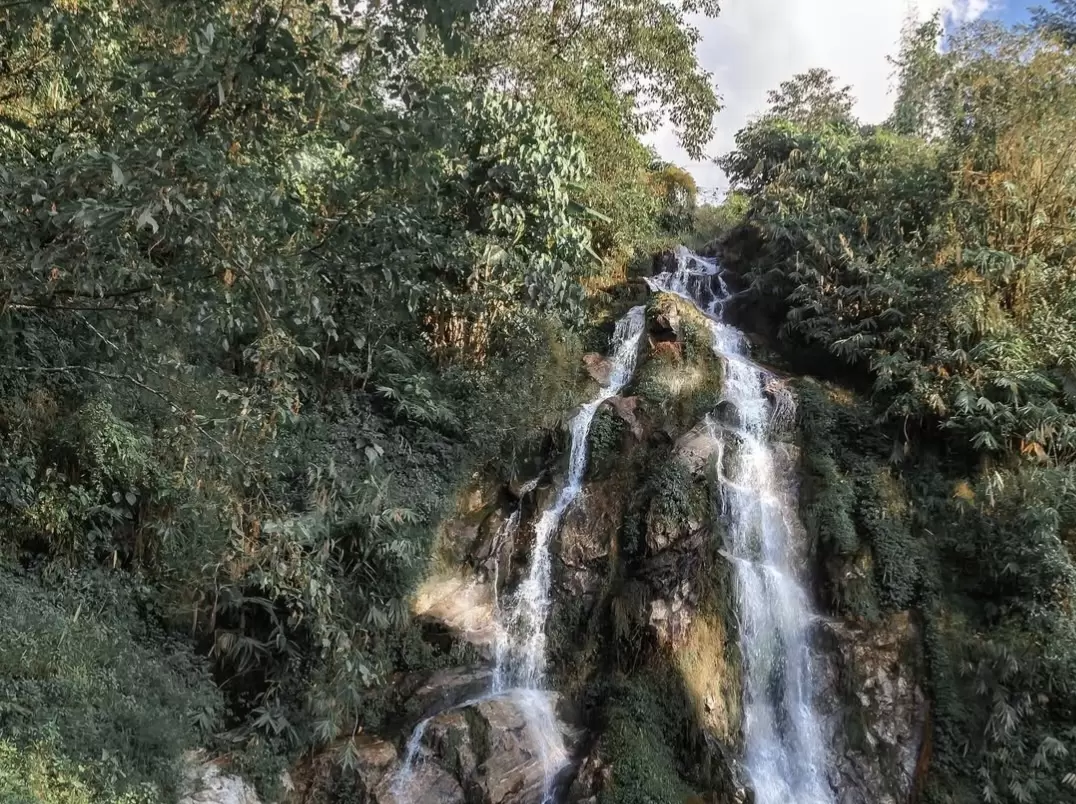
What makes Rimbi Waterfalls special is its combination of natural beauty, accessibility, and the scenic backdrop of forested hills and distant mountains. Visitors can enjoy a short trek, explore nearby streams, and capture stunning photographs, making it an ideal spot for relaxation, eco-tourism, and family outings.
About Rimbi Waterfalls
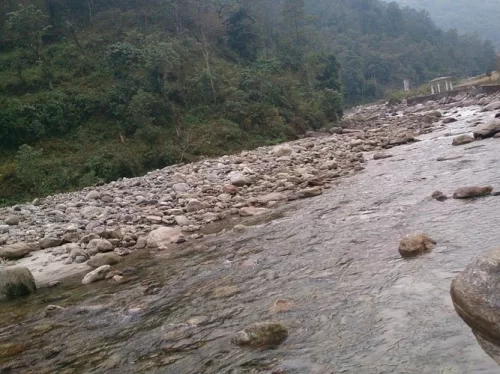
Rimbi Waterfalls is a natural formation created by streams flowing through the forested hills near Pelling in Sikkim. It does not have a specific historical or religious significance but is important as a local natural landmark and ecological site.
The waterfall contributes to the region’s biodiversity, supporting nearby flora and fauna, and provides a natural retreat for tourists and locals alike. Its pristine environment reflects Sikkim’s commitment to preserving natural beauty and promoting eco-tourism.
Visitors can experience the peaceful surroundings, enjoy the fresh mountain air, and learn about the local ecosystem while exploring the area around the falls.
Best Time to Visit Rimbi Waterfalls
The best time to visit Rimbi Waterfalls is during spring (March to May) and autumn (September to November) when the weather is pleasant, and the surrounding hills are lush and green. These months offer ideal conditions for trekking, photography, and enjoying the waterfall’s natural beauty.
Winter months (December to February) are cooler and quieter, providing a peaceful experience, though mornings can be chilly. The monsoon season (June to August) brings heavy rainfall, which can make the trails slippery and difficult to navigate.
- March–May: Pleasant temperatures, clear skies, and vibrant greenery make it ideal for outdoor activities and photography.
- September–November: Autumn season with crisp weather and excellent visibility of the hills and distant mountains.
- December–February: Winter is colder but quieter; suitable for visitors seeking tranquility, though warm clothing is required.
- June–August: Monsoon brings heavy rainfall; trails can be slippery and caution is advised during treks.
Visiting early in the morning is recommended for a calm experience and to enjoy the waterfall in soft natural light.
How to Reach Rimbi Waterfalls
- From Pelling Town: Rimbi Waterfalls is located about 15 km from Pelling. Visitors can hire a taxi or take a shared jeep to the trailhead, followed by a short trek through forested paths to reach the falls.
- By Road: Pelling is well-connected to major towns in Sikkim and West Bengal. State-run buses and private taxis can be used to reach Pelling, then onward to the waterfall.
- From Gangtok: Gangtok is approximately 120 km from Pelling. Visitors can travel by taxi or bus to Pelling, and then continue to Rimbi Waterfalls via local transport.
- By Air: Pakyong Airport, around 110 km from Pelling, is the nearest airport. Bagdogra Airport in West Bengal, about 150 km away, is another option, followed by a taxi or shared jeep to Pelling and the waterfall.
- By Train: The nearest railway station is New Jalpaiguri (NJP), roughly 150 km away. From NJP, taxis or buses can be taken to Pelling, and then local transport to the waterfall.
- Last Mile Access: From the parking area, a 10–15 minute trek along uneven, forested paths leads to the waterfall. Comfortable shoes are recommended.
What to Expect When You Visit Rimbi Waterfalls
- Scenic Beauty: Visitors can enjoy the sight of cascading water surrounded by lush greenery and forested hills, providing a tranquil escape from busy town life.
- Moderate Trek: A short trek through forest paths and uneven terrain is required to reach the waterfall, offering light adventure and nature exploration.
- Photography Opportunities: The waterfall, along with surrounding hills and trees, provides excellent spots for photography, especially in morning or late afternoon light.
- Peaceful Atmosphere: The area is quiet and less crowded, making it ideal for meditation, relaxation, and enjoying the natural sounds of water and wildlife.
- Nature Observation: Visitors can see local flora and fauna along the trek, including birds, butterflies, and forest vegetation.
- Family-Friendly Visit: Suitable for families and small groups, though supervision is advised for children due to uneven paths and slippery areas near the falls.
Important Visitor Information
- Crowd & Weather Notes: Rimbi Waterfalls generally experiences low to moderate crowds. Weekends and local holidays may attract more visitors. Spring and autumn offer pleasant weather, while monsoon brings heavy rainfall and winter is cool but quieter.
- Peak / Quiet Hours: Early morning (8:00 AM – 10:00 AM) and late afternoon are the best times to visit for a peaceful experience, optimal lighting for photography, and minimal crowd interference.
- Dress Code: Comfortable and casual clothing is recommended, along with sturdy walking shoes suitable for trekking on forested and rocky paths.
- Safety Notes: Visitors should be cautious on slippery rocks and uneven trails, supervise children, and stay on designated paths. Avoid venturing too close to the edge of the waterfall or climbing wet rocks.
Photography and Viewpoint
- Waterfall Shots: Capture the cascading water from multiple angles, including close-up shots of the flow and wide shots showing the waterfall amidst lush greenery.
- Panoramic Views: The surrounding hills and forests provide scenic backdrops for landscape photography, perfect for wide-angle shots and nature compositions.
- Best Light: Early morning and late afternoon offer soft, natural lighting, ideal for highlighting the waterfall, foliage, and surrounding terrain in golden hues.
- Nature Photography: The trek to the waterfall passes through forested areas with birds, butterflies, and seasonal flowers, giving ample opportunities for wildlife and macro photography.
- Seasonal Highlights: During monsoon, the waterfall is at its fullest, creating dramatic photographic effects, while spring and autumn provide vibrant greenery and clear views of distant hills.
- Trail Vantage Points: Multiple viewpoints along the approach trail allow for unique framing of the waterfall and surrounding landscapes, enhancing depth and perspective in photos.