Rabdentse Ruins – Ancient Capital of Sikkim with Historic Charm

Rabdentse Ruins , Pelling
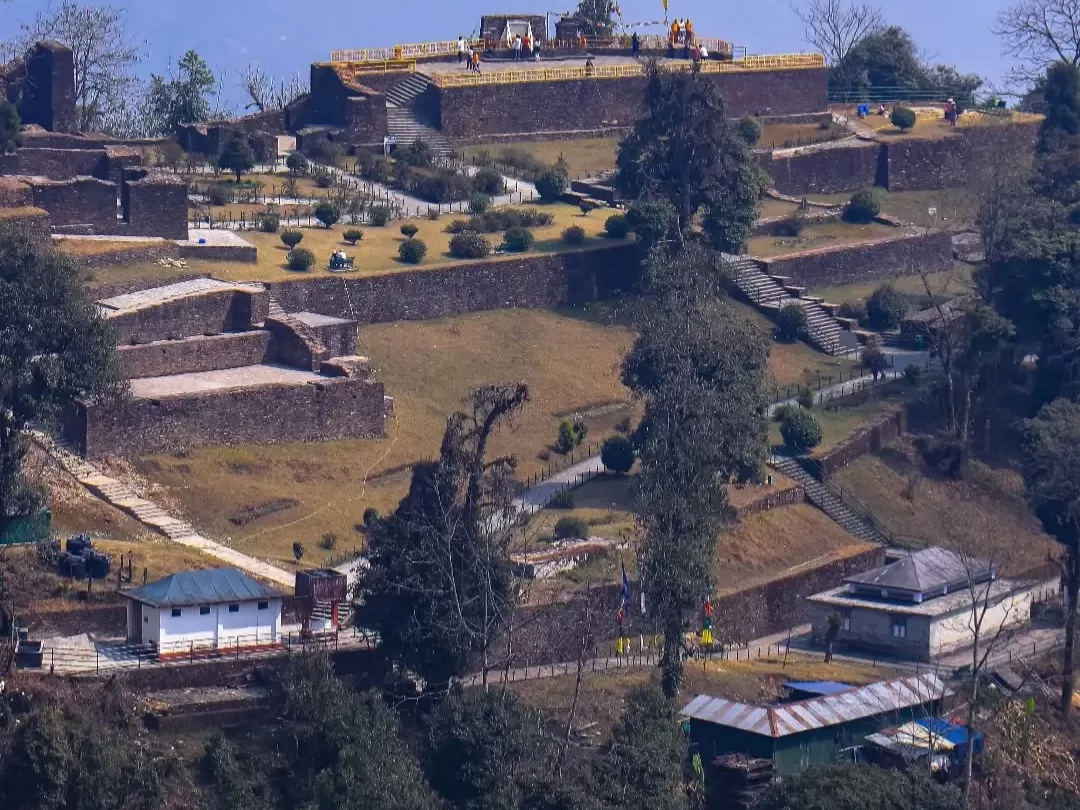
Located near Pelling in Sikkim, Rabdentse Ruins was the second capital of the former Kingdom of Sikkim, established in the 17th century. Although largely in ruins today, the site retains remnants of palace walls, stone structures, and temples that reflect Sikkim’s historical and architectural heritage. Visitors can explore the site while enjoying spectacular views of the surrounding hills and the majestic Kanchenjunga range. The ruins are also significant for their cultural and historical context, providing insights into the political and social life of Sikkim’s early kings.

Quick Facts About Rabdentse Ruins

Entry Fee 20
Timings 08:00 - 16:30
Altitude (m) 2200
Ideal Visit Duration (hrs) 2
Best Time of Day Morning
Crowd Level Moderate
Distance from Pelling (km) 10
Walking Difficulty Moderate
Parking Available Yes
Last Mile Access Trek
Suitable for Kids Yes
Suitable for Seniors No
Wheelchair Friendly No

Why Visit Rabdentse Ruins

Rabdentse Ruins is a fascinating destination for history enthusiasts, culture lovers, and travelers seeking panoramic Himalayan views. As the former capital of Sikkim, it offers a unique glimpse into the kingdom’s royal past and architectural heritage.

The atmosphere at Rabdentse is serene and reflective, with the ruins surrounded by lush green hills and scenic trails. Visitors can enjoy peaceful walks along stone pathways, absorb the historical ambiance, and capture the dramatic backdrop of the Kanchenjunga range.

What makes Rabdentse Ruins special is the blend of history, culture, and nature. Despite being in ruins, the remnants of palace walls, watchtowers, and temples convey the grandeur of Sikkim’s former rulers. Combined with breathtaking views and tranquil surroundings, it provides a memorable experience for both cultural exploration and nature photography.

History & Cultural Significance

Rabdentse Ruins served as the second capital of the former Kingdom of Sikkim, established in the 17th century by the Chogyal (king) of Sikkim. It remained the political and administrative center until it was abandoned in the late 18th century following invasions and internal conflicts.

The site contains remnants of royal palace walls, stone foundations, and temples that highlight the architectural style of Sikkim’s medieval period. It offers insight into the lifestyle, governance, and social structure of the Sikkimese monarchy.

Rabdentse holds cultural significance as a historical landmark, reflecting the heritage and legacy of Sikkim’s early rulers. The ruins are surrounded by natural beauty, providing visitors with both a historical perspective and panoramic views of the Kanchenjunga range.

Best Time to Visit Rabdentse Ruins

The ideal time to visit Rabdentse Ruins is during the spring (March to May) and autumn (September to November) seasons when the weather is pleasant and visibility of the Kanchenjunga range is excellent. These months provide clear skies, comfortable temperatures, and perfect conditions for exploring the ruins and surrounding hills.

Winter (December to February) is cold but less crowded, offering a tranquil experience for visitors. Monsoon (June to August) brings heavy rainfall, making trails slippery and views often obscured by mist.

  • March–May: Pleasant weather, clear mountain views, and ideal for photography and hiking around the ruins.
  • September–November: Cool temperatures, crisp air, and excellent visibility of Kanchenjunga and surrounding valleys.
  • December–February: Cold and quieter; perfect for those seeking a peaceful visit but requires warm clothing.
  • June–August: Monsoon season with heavy rainfall; trails can be slippery, and visibility may be limited.

Early morning visits are recommended for the best light for photography and to enjoy the ruins without crowds.
How to Reach Rabdentse Ruins

  • From Pelling Town: Rabdentse Ruins is approximately 10 km from Pelling. Visitors can hire a taxi or take a shared jeep to the trailhead, followed by a short uphill walk to the ruins.
  • By Road: Well-connected roads link Pelling with other towns in Sikkim, including Gangtok. Private taxis and buses are commonly used by tourists.
  • From Gangtok: Gangtok, the state capital, is around 120 km away. Visitors can hire a taxi or take a bus to Pelling, then proceed to Rabdentse Ruins.
  • By Air: The nearest airport is Pakyong Airport (approximately 110 km from Pelling). Bagdogra Airport (West Bengal) is about 150 km away, followed by a taxi or shared jeep to Pelling.
  • By Train: The nearest railway station is New Jalpaiguri (NJP), roughly 150 km from Pelling. From NJP, taxis or buses can be taken to Pelling and then onward to the ruins.
  • Last Mile Access: From the parking area, visitors must walk uphill along a short but moderately steep trail to reach the ruins.

What to Expect When You Visit Rabdentse Ruins

  • Historical Exploration: Explore the remnants of the former Sikkimese royal capital, including palace walls, stone foundations, and ancient temples that reflect the kingdom’s medieval architecture.
  • Scenic Views: The ruins are perched on a hillside, offering panoramic views of the surrounding valleys, hills, and the majestic Kanchenjunga range.
  • Tranquil Ambiance: With fewer crowds compared to other attractions, the site provides a peaceful environment for reflection, photography, and leisurely walks.
  • Moderate Trekking: Visitors should expect a short uphill walk along stone paths to reach the ruins, making it moderately challenging for some, but rewarding with the views.
  • Cultural Insight: Learn about the history of Sikkim’s early rulers, their governance, and the kingdom’s heritage through the preserved structures and surrounding landscape.
  • Photography Opportunities: Ideal for capturing historic architecture against the backdrop of lush hills and snow-capped mountains.

Important Visitor Information

  • Crowd & Weather Notes: Rabdentse Ruins sees moderate crowds, especially during weekends and local festival days. Spring and autumn offer clear skies and pleasant weather, while monsoon brings heavy rainfall, and winter is cold but quieter.
  • Peak / Quiet Hours: Early morning (8:00 AM – 10:00 AM) is the best time to visit for fewer crowds, peaceful exploration, and ideal photography conditions. Midday can be slightly busier.
  • Dress Code: Comfortable clothing suitable for walking and trekking is recommended. Modest attire is appreciated at historic and cultural sites. Sturdy shoes are essential for uneven stone paths.
  • Safety Notes: Visitors should be cautious on uneven and uphill paths. Avoid venturing beyond marked areas, stay hydrated, and supervise children during the uphill walk to the ruins.

Photography and Viewpoint

  • Panoramic Mountain Views: Rabdentse Ruins offers sweeping vistas of the Kanchenjunga range and surrounding Himalayan hills, making it an ideal spot for landscape photography.
  • Historic Architecture Shots: Capture the ancient stone foundations, palace walls, and remnants of temples that reflect the grandeur of Sikkim’s medieval capital.
  • Sunrise and Sunset Opportunities: Morning light enhances the ruins and mountains for photography, while sunset provides dramatic colors and shadows over the hillside landscape.
  • Nature Photography: Lush greenery, rhododendron blooms, and misty valleys surrounding the ruins offer excellent close-up and wide-angle photography options.
  • Trail Viewpoints: Several vantage points along the uphill trail to the ruins provide unique angles for capturing the ruins against the backdrop of the hills and distant peaks.
  • Festival Photography: During local festivals, vibrant rituals, traditional attire, and cultural ceremonies present rare and colorful photography opportunities.

Near By Attraction

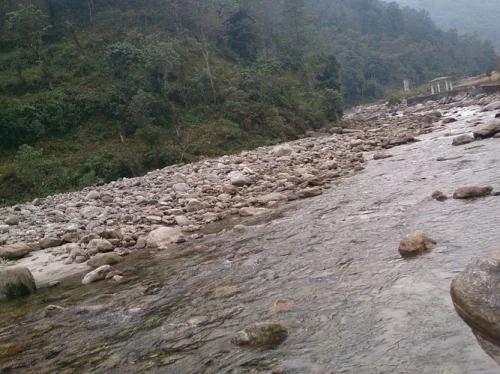
Sewaro Rock Garden Sikkim riverside park with rocky riverbed and scenic forest surroundings Tourist Attraction

Sewaro Rock Garden

Sewaro Rock Garden is a beautiful natural garden in Sikkim featuring unique rock formations, flowing streams, and lush greenery, perfect for nature lovers and photography enthusiasts.
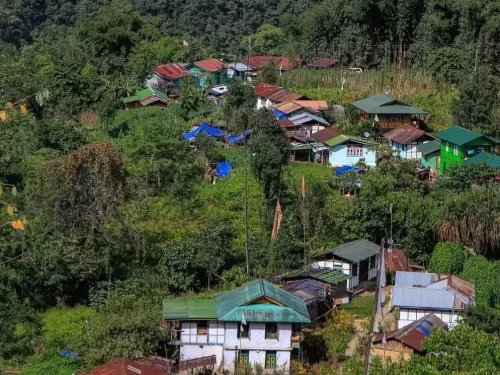
Darap Village Sikkim traditional Himalayan village with scenic hillside homes and lush green surroundings Tourist Attraction

Darap Village

Darap is a picturesque eco-village in West Sikkim known for its lush greenery, traditional culture, and tranquil Himalayan ambiance.

Singhshore Bridge West Sikkim scenic suspension bridge over lush Himalayan valley and river gorge Bridge

Singhshore Bridge

Singhshore Bridge is a picturesque suspension bridge in Sikkim offering panoramic views of the surrounding mountains and rivers.

Frequently Asked Questions About Rabdentse Ruins

Rabdentse Ruins is located near Pelling in West Sikkim, close to the Pemayangtse Monastery area.
Visitors can reach Rabdentse Ruins by road from Pelling in Sikkim followed by a short forest walk of about 15 to 20 minutes.
A nominal entry fee is usually charged at Rabdentse Ruins as it is maintained by the Archaeological Survey authorities in Sikkim.
Rabdentse Ruins is generally open from morning around 10 am until evening around 5 pm, though timings may vary slightly.
The best time to visit Rabdentse Ruins is between March and June and September to November when the weather in Pelling, Sikkim is clear.
A moderate and well marked walking trail through a forested path is required to explore Rabdentse Ruins from the entrance gate.
Most travelers spend about 1 to 2 hours at Rabdentse Ruins exploring the historical remains and enjoying mountain views.
Visitors can see remnants of the old Sikkimese capital, stone structures, and clear views of the Kanchenjunga range from Rabdentse Ruins.
Food stalls are not available inside Rabdentse Ruins and restroom facilities may be limited, so visitors should plan accordingly from Pelling town.
Rabdentse Ruins is suitable for family visits, though comfortable footwear is recommended due to the forest walking trail.

Loved this place ? Let’s Plan Your Sikkim Trip

Get customized Sikkim tour planning based on season, altitude comfort, travel permits, and realistic road travel time. Whether you are visiting for scenic landscapes, monastery circuits, mountain views, or peaceful hill stays, our experts design practical

⚡ Quick Response | 💰 Free consultation | 🕒 24×7 expert support

×

Plan Your Trip