Quick Facts About Pemayangtse Monastery
| Entry Fee | Free |
| Timings | 08:00 - 17:00 |
| Altitude (m) | 2146 |
| Ideal Visit Duration (hrs) | 2 |
| Best Time of Day | Morning |
| Crowd Level | Moderate |
| Distance from Pelling (km) | 8 |
| Walking Difficulty | Moderate |
| Parking Available | Yes |
| Last Mile Access | Walk |
| Suitable for Kids | Yes |
| Suitable for Seniors | Yes |
| Wheelchair Friendly | No |
Why Visit Pemayangtse Monastery
Pemayangtse Monastery is a must-visit destination for anyone interested in Sikkim’s rich Buddhist heritage and spiritual culture. As one of the oldest and most revered monasteries in the region, it offers a serene and contemplative environment that attracts both pilgrims and tourists alike.
The atmosphere at the monastery is peaceful and meditative, enhanced by chanting monks, traditional rituals, and the calm of the surrounding hills. Visitors can experience the tranquil ambiance, watch prayer ceremonies, and immerse themselves in the spiritual rhythm of monastic life.
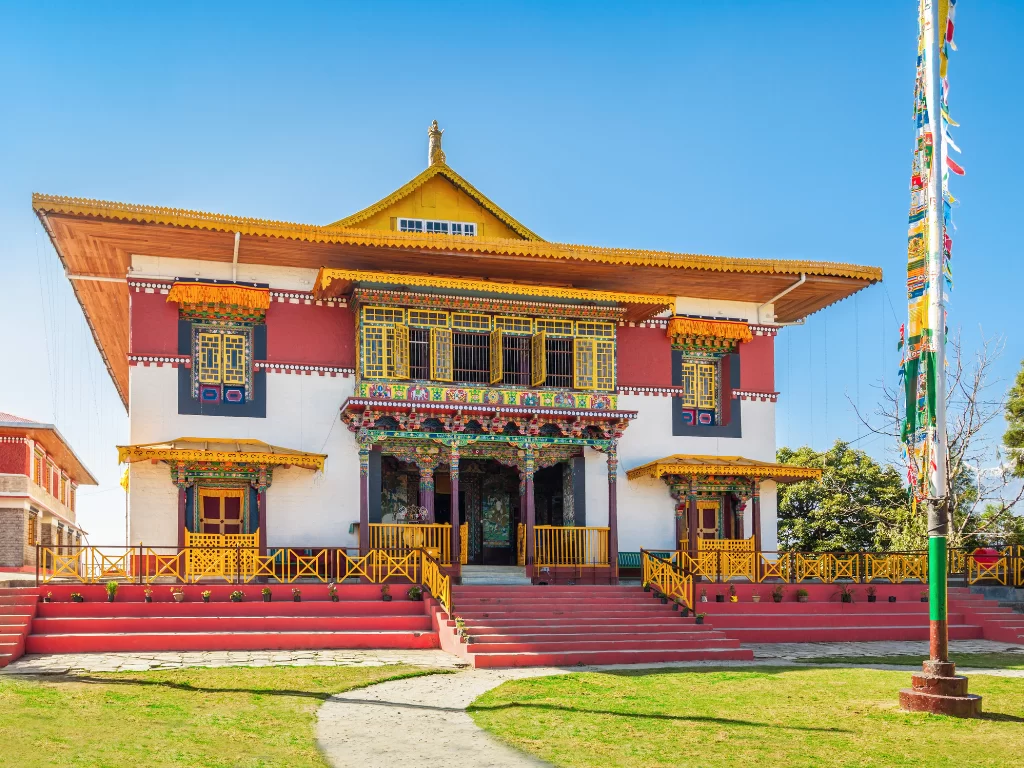
What makes Pemayangtse Monastery special is its architectural beauty, featuring Tibetan-style murals, statues of Buddhist deities, and intricately decorated prayer halls. Combined with panoramic views of the Kanchenjunga range, it provides a unique blend of cultural richness and natural splendor that is difficult to find elsewhere.
History & Cultural Significance
Pemayangtse Monastery was founded in 1705 and is one of the oldest and most important monasteries of the Nyingma sect in Sikkim. Its establishment was supported by the third Chogyal (king) of Sikkim, and it has since been a central hub for religious activities and Buddhist teachings in the region.
The monastery is renowned for its traditional Tibetan-style architecture, intricate murals, and statues of Buddhist deities. It plays a key role in local festivals, particularly the Pang Lhabsol festival, which honors the guardian deity of Sikkim and showcases vibrant cultural rituals, dances, and ceremonies.
The spiritual and cultural significance of Pemayangtse Monastery makes it not just a religious site but also an important center for preserving Sikkim’s rich Buddhist heritage and architectural traditions.
Best Time to Visit Pemayangtse Monastery
The best time to visit Pemayangtse Monastery is during the spring (March to May) and autumn (September to November) months when the weather is clear, and the views of the Kanchenjunga range are at their best. These seasons offer comfortable temperatures and ideal conditions for sightseeing and photography.
Winter months (December to February) are cold but less crowded, offering a serene experience. Monsoon season (June to August) brings heavy rainfall, making travel and walking within the monastery complex slippery and less advisable.
- March–May: Pleasant weather, clear skies, and vibrant surroundings; ideal for photography and sightseeing.
- September–November: Cool temperatures, excellent visibility of mountains, and participation in local festivals.
- December–February: Cold weather, fewer visitors, perfect for quiet and contemplative visits.
- June–August: Monsoon season; heavy rainfall can affect accessibility and visibility of scenic views.
Early morning visits are recommended for the clearest views of the monastery and surrounding landscapes, as well as to experience peaceful prayer sessions.
How to Reach Pemayangtse Monastery
- From Pelling Town: Pemayangtse Monastery is located about 8 km from Pelling town and can be reached by taxi or private vehicle in approximately 20–30 minutes.
- By Road: Well-maintained roads connect major towns in Sikkim to Pelling. Private taxis and shared jeeps are the most common modes of transport for tourists.
- From Gangtok: Gangtok, the state capital, is approximately 120 km away. Visitors can hire a taxi or take a bus to Pelling, followed by a short drive to the monastery.
- By Air: The nearest airport is Pakyong Airport (around 110 km from Pelling). Alternatively, Bagdogra Airport in West Bengal (around 150 km) can be used, followed by a taxi ride to Pelling and onward to the monastery.
- By Train: The closest railway station is New Jalpaiguri (NJP), approximately 150 km from Pelling. From NJP, taxis or buses can be taken to reach Pelling and then the monastery.
- Last Mile Access: From the parking area, visitors need to walk a short uphill path with steps to reach the main monastery complex.
What to Expect When You Visit Pemayangtse Monastery
- Spiritual Ambiance: Visitors can experience a serene and peaceful environment with chanting monks, prayer rituals, and meditation sessions creating a calming atmosphere.
- Architectural Beauty: The monastery showcases traditional Tibetan-style architecture, intricate murals, and beautifully adorned prayer halls and statues of Buddhist deities.
- Cultural Experience: Observe local religious practices, attend festivals like Pang Lhabsol, and interact with monks to learn about Sikkim’s Buddhist heritage.
- Scenic Surroundings: The monastery is set amidst lush green hills with panoramic views of the Kanchenjunga range, perfect for photography and nature appreciation.
- Family-Friendly Visit: Easy access from Pelling and moderate walking paths make it suitable for families and older visitors, though care is needed on steps.
- Short Visit Duration: The main monastery complex can be explored comfortably in 1–2 hours, making it a convenient stop on a Pelling sightseeing itinerary.
Important Visitor Information
- Crowd & Weather Notes: Pemayangtse Monastery sees moderate crowds, especially during weekends and festival seasons. Spring and autumn offer clear skies, while monsoon brings rain and mist. Winter is cold but less crowded.
- Peak / Quiet Hours: Early morning (8:00 AM – 10:00 AM) and late afternoon are the best times to visit for fewer crowds and a peaceful atmosphere. Midday may see more tourists.
- Dress Code: Modest clothing is recommended when entering the monastery. Comfortable walking shoes are advised due to steps and sloped paths.
- Safety Notes: Be cautious on uneven paths and steps. Respect local customs, do not touch religious artifacts, and avoid loud behavior within the monastery complex.
Photography and Viewpoint
- Panoramic Mountain Views: The monastery offers stunning views of the Kanchenjunga range and surrounding Himalayan hills, making it a perfect spot for landscape photography.
- Architectural Details: Capture the intricate murals, colorful prayer flags, and traditional Tibetan-style architecture that adorn the monastery complex.
- Festivals and Rituals: During events like Pang Lhabsol, photographers can capture vibrant cultural performances, masked dances, and ceremonial rituals.
- Early Morning Shots: Visiting in the morning provides soft lighting and clear skies, ideal for photographing both the monastery and surrounding mountains.
- Nature and Surroundings: The lush green hills, rhododendron blooms, and quiet courtyards provide excellent opportunities for close-up and nature photography.
- Viewpoint Access: Easily accessible from the parking area with short walks; multiple terraces and open courtyards offer diverse angles for capturing the monastery and scenic vistas.