+91 9910402252
admin@chalbanjare.com


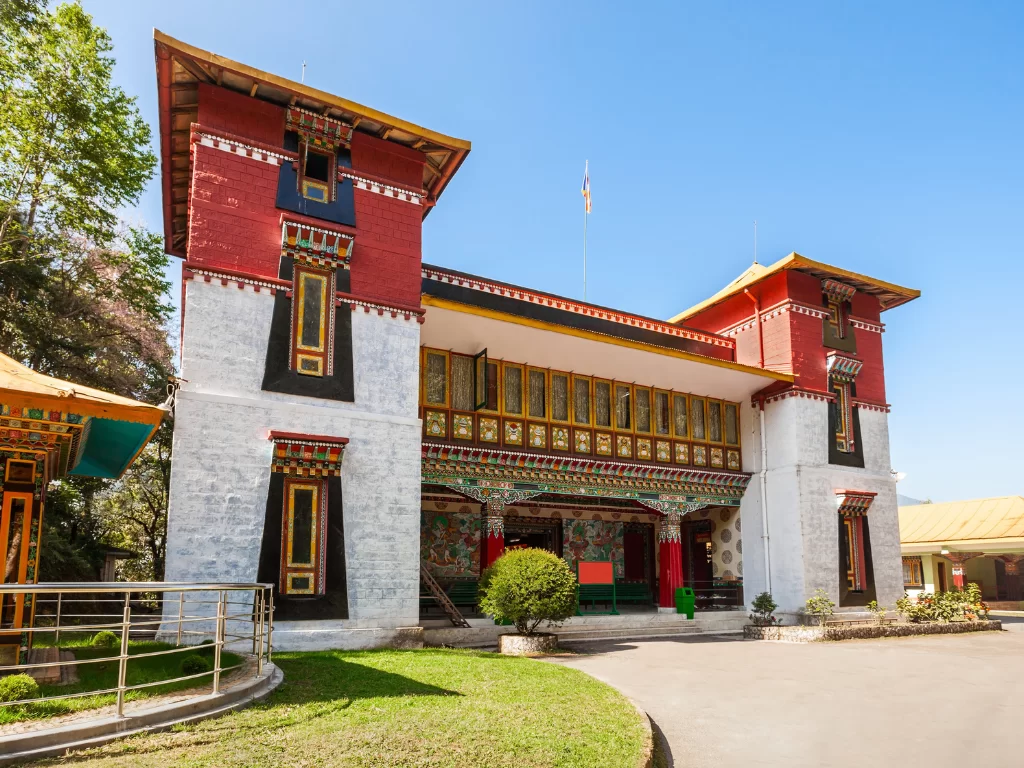
| Entry Fee | 20 |
| Timings | 09:30 - 16:30 |
| Altitude (m) | 1650 |
| Ideal Visit Duration (hrs) | 2 |
| Best Time of Day | Morning |
| Crowd Level | Moderate |
| Distance from Gangtok (km) | 2 |
| Walking Difficulty | Easy |
| Parking Available | Yes |
| Last Mile Access | Walk |
| Suitable for Kids | Yes |
| Suitable for Seniors | Yes |
| Wheelchair Friendly | No |
Namgyal Institute of Tibetology is a must-visit destination for travelers interested in Tibetan culture, Buddhist philosophy, and Himalayan heritage. The institute offers a serene and scholarly atmosphere, surrounded by landscaped gardens and traditional architecture that provide a peaceful environment for learning and reflection.
What makes the institute special is its rich collection of rare Tibetan manuscripts, thangkas, statues, and artifacts that showcase centuries of Buddhist art and culture. Visitors can explore the unique blend of religious, historical, and artistic significance while gaining insights into the traditions of Sikkim and Tibet. Its reputation as a leading research center also adds an educational and spiritual dimension to the visit, making it an enriching experience for students, historians, and tourists alike.
Namgyal Institute of Tibetology was established in 1957 in Gangtok, Sikkim, under the guidance of the 14th Dalai Lama and the Sikkimese government. It was created as a center for advanced research in Tibetan language, culture, and Buddhist philosophy. Over the decades, the institute has grown into one of the most important repositories of Tibetan manuscripts, thangkas, and artifacts in India.
The institute plays a vital role in preserving Tibetan heritage, including rare religious texts, ancient scriptures, and traditional artworks. Its museum and library serve as a hub for scholars, researchers, and students, offering insights into Tibetan Buddhism, Himalayan art, and the historical connections between Sikkim and Tibet. The combination of educational purpose and preservation of ancient knowledge makes the institute a unique destination for cultural and academic exploration.
The best time to visit Namgyal Institute of Tibetology is during the spring and autumn months (March to June and September to November) when the weather in Gangtok is pleasant, skies are clear, and temperatures are comfortable. These months are ideal for exploring the institute, its museum, and gardens while enjoying the scenic Himalayan surroundings.
Winters (December to February) are colder but offer a quieter experience with fewer tourists. Monsoon season (July to August) brings heavy rainfall, which can make walking around the institute and nearby areas less comfortable, so extra care is recommended during this time.
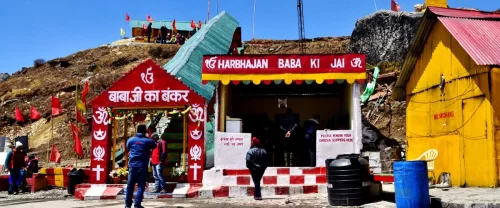 Temple
Baba Harbhajan Singh Temple is a memorial shrine located on the Gangtok–Nathula road in East Sikkim.
 Lake
Lake
Tsomgo Lake is a high-altitude glacial lake located on the road between Gangtok and Nathula in East Sikkim.
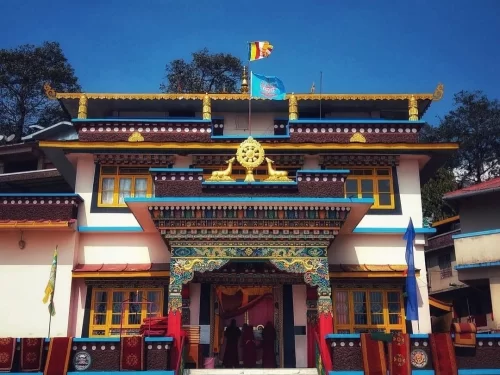 Monastery
Gonjang Monastery is a Tibetan Buddhist monastery located on the outskirts of Gangtok in Sikkim.
Get customized Sikkim tour planning based on season, altitude comfort, travel permits, and realistic road travel time. Whether you are visiting for scenic landscapes, monastery circuits, mountain views, or peaceful hill stays, our experts design practical
⚡ Quick Response | 💰 Free consultation | 🕒 24×7 expert support

