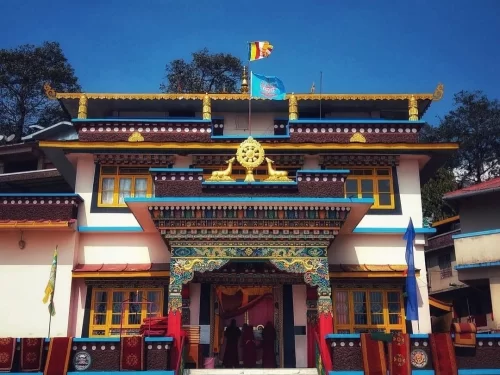
Nathu La Pass – Gateway to India-China Border

Nathu La , Gangtok
Nathu La Pass, located at an altitude of 4,310 meters in the Eastern Himalayas, is one of the few official border trading points between India and China. The pass holds strategic and historical importance, having been a vital route along the ancient Silk Road. Today, it attracts tourists for its stunning landscapes, snow-capped mountains, and panoramic views of the Chumbi Valley. Visitors can witness military outposts, historical markers, and occasionally, the border trading activities. Due to its high-altitude location, the pass is open only during specific months of the year and requires permits for civilian access. Nathu La is ideal for adventure seekers, photography enthusiasts, and history buffs.

Quick Facts About Nathu La

Entry Fee 500
Timings 08:00 - 15:00
Altitude (m) 4310
Ideal Visit Duration (hrs) 4
Best Time of Day Morning
Crowd Level Moderate
Distance from Gangtok (km) 54
Walking Difficulty Moderate
Parking Available No
Last Mile Access Trek
Suitable for Kids Yes
Suitable for Seniors Yes
Wheelchair Friendly No

Why Visit Nathu La Pass

Why Visit: Nathu La Pass is a must-visit for travelers seeking spectacular Himalayan landscapes and a glimpse into the historical and strategic significance of the India-China border. It offers a unique combination of natural beauty, adventure, and cultural insights.

Atmosphere: The pass exudes a crisp, invigorating mountain atmosphere, with panoramic views of snow-capped peaks, valleys, and the Chumbi Valley in Tibet. The presence of military outposts and the occasional sight of trade activity adds an element of intrigue and significance.

What Makes it Special: Nathu La Pass is one of the few open border trading points between India and China, making it historically and politically significant. Its high-altitude vistas, opportunity for photography, and experience of standing at a strategic Himalayan pass make it a unique and memorable destination for tourists.

History of Nathu La Pass

Nathu La Pass has been a significant trade route connecting India and Tibet for centuries, forming part of the ancient Silk Road. It played a crucial role in facilitating commerce, cultural exchange, and movement of goods such as salt, wool, and spices between the regions.

In modern times, Nathu La gained strategic importance during the 1962 Sino-Indian War and continues to serve as a vital military and trade checkpoint between India and China. The pass was reopened for limited trade in 2006, allowing controlled exchange of goods and promoting bilateral cooperation. Its historical and geopolitical relevance makes it not only a scenic destination but also a place of significant historical interest.

Best Time to Visit Nathu La Pass

The best time to visit Nathu La Pass is during the months when the pass is open and the weather is clear, allowing safe travel and stunning panoramic views of the Himalayas. Due to its high altitude, winter months are generally closed because of heavy snowfall and road closures.
  • April to June (Spring – Early Summer): Pleasant weather with clear skies, making it ideal for sightseeing, photography, and enjoying the surrounding landscapes.
  • September to November (Autumn): Post-monsoon period with crisp air and unobstructed views of the mountains. Moderate tourist traffic ensures a comfortable visit.
  • July to August (Monsoon): Risk of landslides and slippery roads; not recommended for casual travelers.
  • December to March (Winter): Pass is closed due to heavy snow and harsh weather conditions.
  • Best Time of Day: Early morning visits (08:00 AM – 11:00 AM) are ideal for clear visibility, minimal clouds, and fewer crowds.

How to Reach Nathu La Pass

  • By Air: The nearest airport is Pakyong Airport, approximately 35 km from Gangtok. From the airport, hire a taxi or cab to reach Gangtok, and then proceed to Nathu La Pass by road via NH10.
  • By Train: New Jalpaiguri (NJP) Railway Station is the closest major railhead, around 125 km from Gangtok. From NJP, taxis or shared cabs can take visitors to Gangtok, followed by a 54 km drive to Nathu La Pass.
  • By Road: Nathu La Pass is accessible via NH10 from Gangtok. Private taxis, tour operators, or shared cabs can cover the 54 km journey, which takes approximately 2–3 hours. Roads are well-maintained but can be narrow in some stretches.
  • Last Mile Access: A short walk from the vehicle drop-off point to the pass itself. Due to altitude, visitors should take it slow and stay hydrated.
  • Permits: Indian citizens need an Inner Line Permit (ILP), while foreign nationals require a Protected Area Permit (PAP) to visit Nathu La Pass.

What to Expect When You Visit Nathu La Pass

  • Breathtaking Views: Expect panoramic views of the snow-capped Himalayas, the Chumbi Valley in Tibet, and lush valleys on the Indian side, perfect for photography and sightseeing.
  • High-Altitude Experience: The pass sits at 4,310 meters, so visitors should be prepared for thin air, cooler temperatures, and potential altitude-related fatigue.
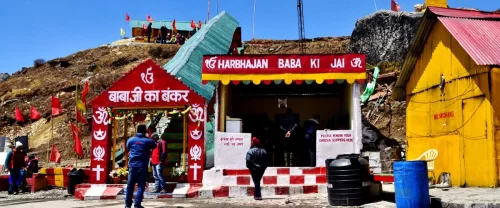
  • Military Presence: The pass has active Indian and Chinese military checkpoints, giving a glimpse into the strategic importance of this high-altitude border region.
  • Border Trading Insights: On designated days, small trade activities between India and China can be observed, highlighting the historic and contemporary significance of Nathu La.
  • Limited Facilities: Basic amenities are available near the pass, but visitors should carry water, snacks, and warm clothing for comfort during the visit.
  • Photography Opportunities: From scenic landscapes to military posts, the pass offers multiple opportunities for capturing stunning high-altitude vistas.

Important Visitor Information for Nathu La Pass

  • Crowd & Weather Notes: Nathu La Pass sees moderate tourist traffic, especially on weekends and public holidays. Clear weather during April–June and September–November provides optimal visibility. Monsoon and winter months are either risky or closed due to snow and landslides.
  • Peak / Quiet Hours: Early morning (08:00 AM – 11:00 AM) is the best time to visit for fewer crowds, clear views, and pleasant conditions. Afternoons may be busier, particularly during guided tours.
  • Dress Code: Warm layered clothing is recommended, even in summer, due to high-altitude chill. Comfortable walking shoes are essential for navigating uneven terrain.
  • Safety Notes: Visitors should be cautious of altitude-related effects, avoid overexertion, and follow instructions from military and tour personnel. Carry water, snacks, and necessary medications. Photography is allowed but follow security guidelines at checkpoints.

Photography and Viewpoint at Nathu La Pass

  • Panoramic Himalayan Views: The pass offers breathtaking vistas of snow-capped peaks, valleys, and the Chumbi Valley in Tibet, ideal for landscape photography.
  • Military Checkpoints: Capture unique photos of Indian and Chinese military outposts and the strategic importance of this high-altitude border region. Ensure you follow security rules while photographing.
  • Scenic Landscapes: Rolling hills, mountain passes, and winding roads provide multiple viewpoints for wide-angle and close-up shots of the surrounding natural beauty.
  • Seasonal Photography: Spring and autumn provide clear skies, vibrant colors, and optimal lighting, while snow-covered winter landscapes offer dramatic, high-contrast photos (pass closed in deep winter).
  • Tips for Best Shots: Early morning visits reduce cloud cover and haze, ensuring crisp photographs. Use layers to protect equipment from cold and carry a tripod for steady landscape shots.

Near By Attraction

Saramsa Garden Gangtok Sikkim scenic botanical park with lush greenery and Himalayan sunset views Botanical Garden

Saramsa Garden

Saramsa Garden is a lush botanical park in Gangtok, known for its vibrant flowers, serene pathways, and recreational spaces for families and nature lovers.

Black Cat Museum Tezpur Assam Indian Army exhibition showcasing military history and artifacts Museum

Black Cat Museum

The Black Cat Museum in Gangtok showcases Sikkim’s intelligence and espionage history, offering a unique insight into covert operations and security services.

Tsuklakhang Royal Chapel Gangtok Sikkim Buddhist temple complex with traditional Tibetan architecture and monastery grounds Monastery

Tsuklakhang Royal Chapel

Tsuklakhang Royal Chapel in Gangtok is the main monastery of the Sikkimese royal family, known for its intricate architecture, vibrant murals, and religious significance.

Frequently Asked Questions About Nathu La

Nathu La is located about 55 kilometers from Gangtok in Sikkim at an altitude of around 14,140 feet near the Indo China border.
Visitors can reach Nathu La by hiring a registered taxi from Gangtok in Sikkim as private vehicles are not allowed beyond certain checkpoints.
A special permit is required to visit Nathu La and it must be arranged through authorized travel agents in Gangtok at least one day in advance.
The best time to visit Nathu La is between May and October when roads from Gangtok in Sikkim are generally accessible and weather conditions are manageable.
Nathu La is usually open to visitors from Wednesday to Sunday during daytime hours, subject to weather and security conditions in Sikkim.
Most travelers spend about 1 to 2 hours at Nathu La due to high altitude and cold weather conditions near Gangtok.
Visitors should carry warm clothing, gloves, caps, and valid identification documents when traveling to Nathu La from Gangtok in Sikkim.
Photography is allowed in designated areas at Nathu La, but taking pictures of military installations is strictly prohibited.
Basic restroom facilities are available at Nathu La, but food options are limited so visitors should carry light snacks from Gangtok.
Nathu La can be suitable for family visits, though elderly travelers and those with breathing issues should consult a doctor due to the high altitude.

Loved this place ? Let’s Plan Your Sikkim Trip

Get customized Sikkim tour planning based on season, altitude comfort, travel permits, and realistic road travel time. Whether you are visiting for scenic landscapes, monastery circuits, mountain views, or peaceful hill stays, our experts design practical

⚡ Quick Response | 💰 Free consultation | 🕒 24×7 expert support

×

Plan Your Trip