+91 9910402252
admin@chalbanjare.com


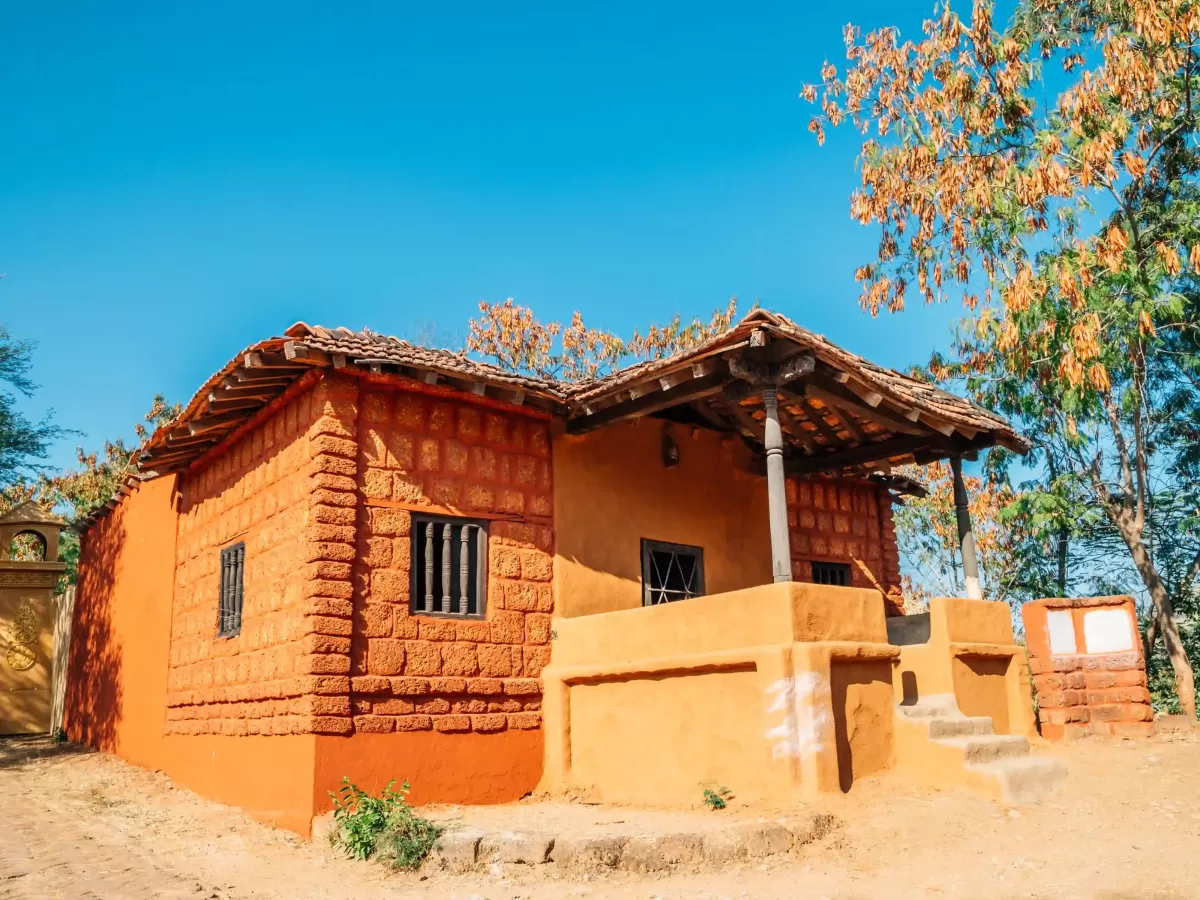
| Entry Fee | Indian visitor about 30 rupees per person, foreign visitor about 50 rupees per person, children below age five usually free |
|---|---|
| Timings | Open daily from 11 00 AM to 7 00 PM, timings may extend during fairs and festivals |
| Altitude (m) | Located at approximately 598 meters above sea level near Fateh Sagar Lake in Udaipur |
| Ideal Visit Duration | Two to three hours to explore rural huts craft stalls cultural exhibits and live performances |
| Best Time of Day | Late afternoon to evening for cultural shows pleasant weather and relaxed exploration |
| Crowd Level | Moderate crowds on regular days and high crowds during Shilpgram Festival and weekends |
| Distance from City Centre (km) | About three kilometers from central Udaipur city near Fateh Sagar Lake area |
| Walking Difficulty | Low to moderate walking difficulty with open pathways across a large outdoor area |
| Parking Available | Yes parking available near the main entrance and surrounding designated parking areas |
| Last Mile Access | Auto rickshaw taxi and local transport available to reach Shilpgram from city areas |
| Suitable for Kids | Yes suitable for children with open spaces crafts animals and cultural activities |
| Suitable for Seniors | Yes generally suitable for seniors though walking across the large area may take time |
| Wheelchair Friendly | Partially wheelchair accessible with wide paths but uneven ground in some sections |
Atmosphere at Shilpgram is vibrant, cultural, and immersive, offering visitors a lively environment that reflects the traditional lifestyle of rural Rajasthan and neighboring states. The open-air setting, earthy architecture, and frequent cultural activities create an authentic village-like experience that feels both engaging and welcoming.
What makes Shilpgram special is its role as a living craft village that showcases rural arts, crafts, and traditions. Visitors can explore traditional huts, watch artisans at work, shop for handcrafted items, and enjoy folk dance and music performances. The annual Shilpgram Festival adds to its charm, bringing together craftsmen and performers from across India for a colorful cultural celebration.
Beyond its visual and cultural appeal, Shilpgram holds educational and cultural significance as a platform for preserving and promoting traditional crafts and folk heritage. It appeals to art lovers, families, students, and travelers seeking a hands-on cultural experience. The visit leaves visitors with a deeper appreciation of India’s diverse rural traditions and craftsmanship.
Shilpgram, located on the outskirts of Udaipur near the Aravalli hills, was established in 1989 as a rural arts and crafts complex aimed at preserving and promoting traditional Indian handicrafts. The initiative was developed by the West Zone Cultural Centre to provide artisans from Rajasthan, Gujarat, Maharashtra, and Goa a platform to showcase their skills and cultural heritage.
Historically, Shilpgram was designed as a living museum, replicating traditional village settings with authentic huts, courtyards, and workspaces that reflect regional architectural styles. This concept allowed visitors to experience rural life, craft-making processes, and folk traditions in an interactive and educational environment.
Today, Shilpgram is internationally recognized for its annual Shilpgram Festival, which attracts artisans, performers, and tourists from across the globe. It stands as a significant cultural landmark, preserving India’s diverse folk traditions while supporting sustainable livelihoods for rural craftsmen.
Visiting Shilpgram in Udaipur is most enjoyable when the weather is pleasant, allowing visitors to explore the rural arts and crafts complex, open-air museums, and cultural spaces comfortably.
The months from October to March are ideal for visiting, as Udaipur experiences cool and comfortable weather during this period. This season is perfect for walking through the craft villages, interacting with artisans, shopping for handicrafts, and attending cultural performances without heat-related discomfort.
Summer months from April to June can be warm during the day. Early morning or late afternoon visits are recommended to avoid heat while exploring the open-air exhibits and enjoying scheduled performances.
Monsoon season from July to September refreshes the surroundings with greenery and a pleasant atmosphere. While humidity increases and occasional rainfall may affect outdoor movement, fewer crowds make this a peaceful time to visit for those who enjoy a quieter experience.
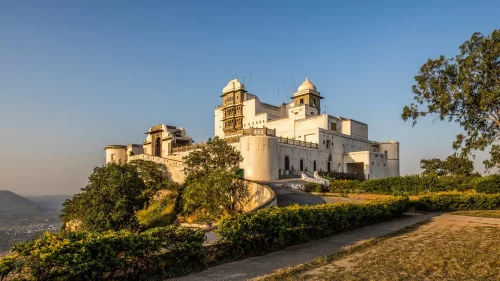 Palace
Monsoon Palace, also known as Sajjangarh Palace, is a historic hilltop palace located near Udaipur, Rajasthan, India.
 Temple
Shrinathji Temple is a Hindu temple dedicated to Lord Krishna, located in Nathdwara, Rajasthan, India.
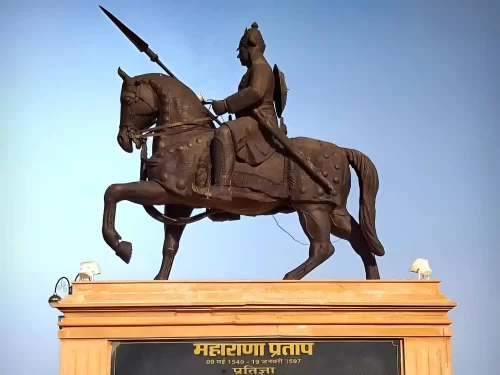 Mountain
Maharana Pratap Smarak is a historical memorial and park situated atop Moti Magri hill, dedicated to the 16th-century Rajput ruler Maharana Pratap.
Get customized Rajasthan tour planning designed around desert climate comfort, long-distance road travel flow, heritage exploration time, and realistic pacing between regions. Whether you are visiting for fort architecture, palace heritage, cultural exper
⚡ Quick Response | 💰 Free consultation | 🕒 24×7 expert support

