Quick Facts About Monsoon Palace
Monsoon Palace (Sajjangarh Palace), Rajasthan Quick Facts
| Entry Fee | Entry fee applicable; separate rates for Indian and foreign visitors as per Rajasthan Forest Department regulations |
| Timings | Generally open daily from 9:00 AM to 6:00 PM |
| Altitude (m) | Approximately 944 m above sea level |
| Ideal Visit Duration | 1.5–3 hours |
| Best Time of Day | Late afternoon for panoramic views and sunset |
| Crowd Level | Moderate to high; busiest during weekends, holidays, and sunset hours |
| Distance from City Centre (km) | Approximately 8 km from Udaipur city centre |
| Walking Difficulty | Easy to moderate; includes walking on slopes, ramps, and palace stairways |
| Parking Available | Yes, parking available near the palace entrance area |
| Last Mile Access | Accessible by motorable hill road followed by a short walk to viewing areas |
| Suitable for Kids | Yes |
| Suitable for Seniors | Yes, though some walking on inclined surfaces is required |
| Wheelchair Friendly | Partially accessible; some viewing areas and heritage sections require stairs |
Why Visit Monsoon Palace, Rajasthan
Visitors come to Monsoon Palace in Udaipur for its elevated location on the Bansdara hills, offering wide views of the city's lakes, surrounding countryside, and the Aravalli Range. It is a popular stop for travelers seeking panoramic scenery beyond Udaipur’s palace complexes and waterfront attractions.
The on-ground atmosphere is open and scenic, with visitors gathering at viewing points to watch changing light conditions across the landscape. The hilltop setting provides a cooler and quieter environment compared to the busier areas around Lake Pichola.
What makes Monsoon Palace distinct is its commanding vantage point above Udaipur, allowing visitors to observe both the urban layout and the natural terrain of southern Rajasthan from a single location. The combination of hilltop architecture and expansive views creates a perspective not found elsewhere in the city.
History of Monsoon Palace, Rajasthan
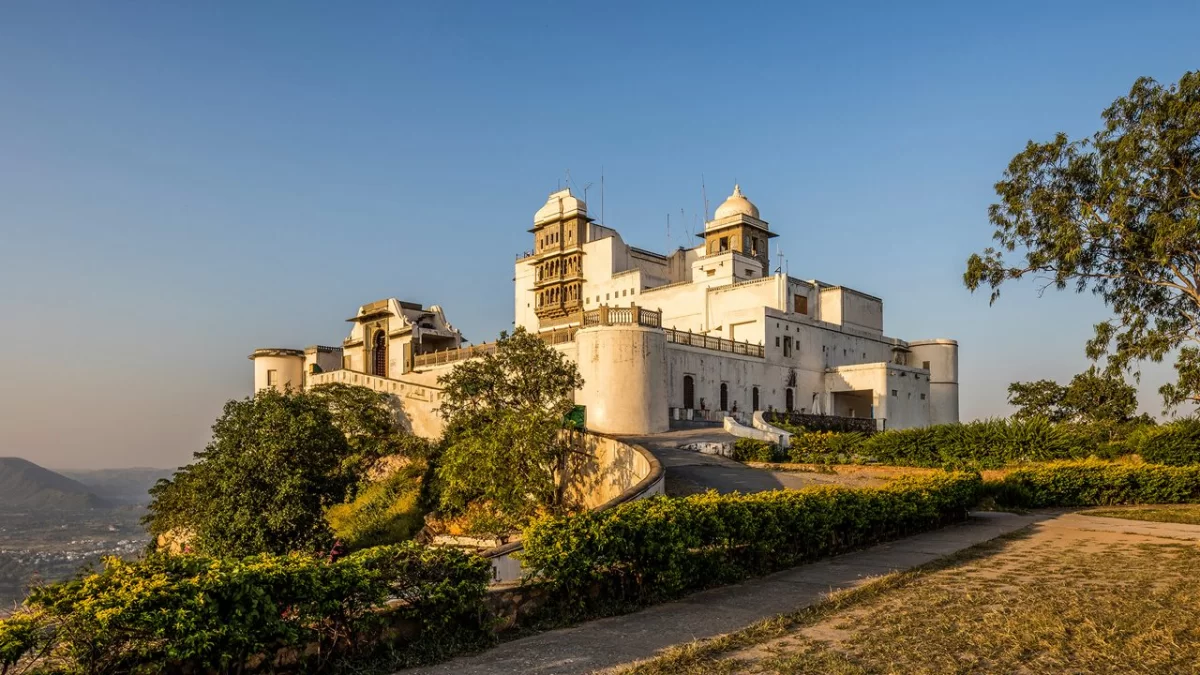
Monsoon Palace, also known as Sajjangarh Palace, was built in 1884 by Maharana Sajjan Singh of Mewar on a hilltop overlooking Udaipur. The palace was intended to serve as a monsoon retreat and an astronomical observation center for tracking weather patterns.
Following the death of Maharana Sajjan Singh, the structure was completed and used by the Mewar royal family as a seasonal residence and hunting lodge. Its elevated location provided extensive views of the surrounding countryside and nearby lakes.
Today, Monsoon Palace stands as an important landmark of Udaipur's royal heritage, reflecting the architectural legacy of the Mewar dynasty and the late 19th-century vision behind its construction.
Best Time to Visit Monsoon Palace, Rajasthan
Monsoon Palace (Sajjangarh Palace) in Udaipur is best visited during the cooler and post-monsoon months when visibility from the hilltop is at its best and visitors can comfortably enjoy panoramic views of the city's lakes, hills, and surrounding countryside.
- Ideal Months: September to March is the most suitable period for visiting Monsoon Palace.
- Weather Conditions: Post-monsoon months bring greener landscapes and clearer views, while winter offers pleasant temperatures and excellent conditions for sightseeing, photography, and sunset viewing from the palace.
- Periods to Avoid: April to June can be quite hot during the day, making uphill visits less comfortable. Heavy monsoon showers between July and August may occasionally affect road access and visibility from the viewpoint.
How to Reach Monsoon Palace, Rajasthan
- By Air: The nearest airport is Maharana Pratap Airport, Udaipur, located approximately 30 km from Monsoon Palace (Sajjangarh Palace). The airport is well connected to major Indian cities. Taxis and app-based cab services are available for direct travel to the palace area.
- By Train: Udaipur City Railway Station, about 8–10 km away, is the nearest railhead with regular train services from Jaipur, Delhi, Ahmedabad, Mumbai, and other major destinations. Local taxis, auto-rickshaws, and private cabs provide convenient onward transport.
- By Road: Monsoon Palace is situated atop the Bansdara Hills within the Sajjangarh Wildlife Sanctuary on the western outskirts of Udaipur. Visitors can reach the base through well-maintained city roads, followed by a steep winding hill road leading to the palace. Private vehicles, taxis, and local tour operators regularly serve the route. Entry timings and vehicle access may be regulated by forest and tourism authorities, while heavy monsoon rains can occasionally affect road conditions and visibility.
What to Expect When You Visit Monsoon Palace (Sajjangarh Palace), Rajasthan
- Monsoon Palace is situated atop the Bansdara Hills on the western edge of Udaipur, offering elevated views of the Aravalli Range, Fateh Sagar Lake, surrounding forests, and the city below.
- The palace environment is characterized by open hilltop terrain, strong winds, and expansive viewpoints. Weather conditions can change quickly, especially during the monsoon season when clouds and mist frequently surround the structure.
- Visitor facilities are limited compared to urban attractions, with basic amenities such as parking, ticketing, restrooms, and refreshment options available near the entrance area. Most dining and accommodation facilities are located in Udaipur city.
- Access is via a winding uphill road through the Sajjangarh Wildlife Sanctuary area. Private vehicles and authorized transport are commonly used, and visitors should expect some walking on slopes, steps, and uneven surfaces within the palace grounds.
- The site attracts photographers, sightseers, and visitors interested in panoramic views, resulting in increased footfall during sunset hours, weekends, and peak tourist seasons.
- Movement inside the palace involves navigating historic corridors, staircases, terraces, and viewing areas. Certain sections may have restricted access for safety or conservation reasons.
- The hilltop location offers little protection from sun, wind, or rain, so weather conditions can significantly influence the experience, particularly during summer afternoons and the monsoon months.
Important Visitor Information for Monsoon Palace (Sajjangarh Palace), Rajasthan
- Monsoon Palace experiences peak visitor traffic during sunset hours, weekends, and the winter tourism season, when large numbers of visitors arrive to enjoy panoramic views over Udaipur and its lakes.
- Early mornings are generally quieter, while late afternoons become increasingly crowded as visitors gather for sunset photography and viewpoints around the palace.
- The hilltop location experiences cooler temperatures than central Udaipur, with monsoon months often bringing mist, rain, and reduced visibility despite creating lush surroundings.
- No formal dress code applies, though comfortable clothing and sturdy footwear are recommended due to sloping pathways, staircases, and outdoor viewing areas.
- Visitors should exercise caution near viewpoints, parapets, and stairways, particularly during monsoon conditions when stone surfaces may become wet and slippery.
- The winding hill road leading to the palace can experience traffic congestion during peak visiting hours, especially near sunset and during holiday periods.
Photography and Viewpoints at Monsoon Palace (Sajjangarh Palace), Rajasthan
- The palace's hilltop location provides some of the best panoramic viewpoints in Udaipur, offering sweeping views of Fateh Sagar Lake, Lake Pichola, the city skyline, and the surrounding Aravalli Hills.
- Western terraces and open viewing areas are particularly popular for photographing sunsets, where the palace foreground can be combined with distant hills and changing sky colors.
- Early morning offers clearer atmospheric conditions and better long-distance visibility, while the monsoon season often creates dramatic cloud formations around the palace.
- Exterior viewpoints along the approach road and palace terraces provide excellent opportunities to photograph the white marble structure against the surrounding forested slopes of Sajjangarh Wildlife Sanctuary.
- Photography is generally permitted in public areas of the palace complex, although visitors should comply with any site-specific regulations and restricted-access zones.
- Sunset hours attract the highest number of visitors, and popular terrace viewpoints can become crowded, affecting access to unobstructed photography positions.
- Access to elevated viewpoints involves walking through the palace grounds, with multiple vantage points available across different levels of the structure.