Shrinathji Temple – Major Krishna Pilgrimage Temple in Nathdwara

Shrinathji Temple , Udaipur
Tourists visit Shrinathji Temple for its religious significance within the Pushtimarg tradition and to participate in its daily darshan ceremonies. The temple houses the revered idol of Shrinathji and attracts pilgrims from across India throughout the year.

Quick Facts About Shrinathji Temple

Shrinathji Temple, Nathdwara, Rajasthan Quick Facts

Entry Fee No entry fee for darshan
Timings Darshan is conducted in multiple daily sessions; timings vary throughout the day and by season according to the temple schedule
Altitude (m) Approximately 584 m above sea level
Ideal Visit Duration 1–3 hours, depending on darshan timings and crowd levels
Best Time of Day Morning darshan sessions generally offer a more organized visitor experience
Crowd Level High; very high during weekends, festivals, and major Vaishnav religious occasions
Distance from City Centre (km) Approximately 0 km (located in the heart of Nathdwara town)
Walking Difficulty Easy to moderate; standing in queues may be required during peak periods
Parking Available Yes, public parking facilities are available in Nathdwara near the temple area
Last Mile Access Accessible by road followed by a short walk through pedestrian lanes leading to the temple
Suitable for Kids Yes
Suitable for Seniors Yes, though peak-time crowds may make movement slower
Wheelchair Friendly Partially accessible; accessibility may vary depending on crowd conditions and entry route

Why Visit Shrinathji Temple, Nathdwara, Rajasthan

Visitors come to Shrinathji Temple in Nathdwara to worship Lord Krishna in the form of Shrinathji, one of the most revered deities in the Pushtimarg tradition. The temple attracts pilgrims from across India and is the spiritual center of the town.

The on-ground atmosphere is vibrant and devotional, with multiple daily darshan sessions, temple music, and a continuous flow of devotees. The surrounding streets are closely linked to temple activities, creating an immersive religious environment throughout the day.

What makes Shrinathji Temple distinct is its unique style of worship, where the deity is treated as a living divine presence through carefully timed rituals, attire changes, and offerings. Visitors experience an active tradition that shapes both the temple and the cultural identity of Nathdwara.

History of Shrinathji Temple, Nathdwara, Rajasthan

Shrinathji Temple in Nathdwara is one of the most important centers of the Pushtimarg tradition founded by Vallabhacharya. The temple is dedicated to Shrinathji, a form of Lord Krishna represented as a seven-year-old deity lifting Govardhan Hill.

The idol of Shrinathji was originally worshipped at Govardhan near Mathura. In the 17th century, it was moved to Mewar to protect it during a period of political instability. According to tradition, the transporting chariot halted at the present site in Nathdwara, where the temple was subsequently established.

Over the centuries, the temple became a major pilgrimage destination and played a significant role in shaping the religious, artistic, and cultural identity of Nathdwara. It remains one of the most revered Krishna temples in India.

Best Time to Visit Shrinathji Temple, Nathdwara, Rajasthan

Shrinathji Temple can be visited throughout the year, but the most comfortable experience comes during the cooler months when walking through Nathdwara's temple lanes and attending multiple daily darshan sessions is more convenient.
  • Ideal Months: October to March is the most favorable period for visiting Shrinathji Temple and exploring Nathdwara's religious and cultural attractions.
  • Weather Conditions: These months typically offer pleasant daytime temperatures and cooler mornings and evenings, making queueing for darshan and moving around the temple precinct more comfortable.
  • Periods to Avoid: April to June can be extremely hot, particularly during afternoon hours, which may affect visitor comfort. The monsoon season from July to September is generally manageable but can bring occasional heavy rainfall and crowded festival periods.

How to Reach Shrinathji Temple, Nathdwara, Rajasthan

  • By Air: The nearest airport is Maharana Pratap Airport, Udaipur, located approximately 50 km from Nathdwara. The airport offers regular flights from major Indian cities. Taxis and private cabs are readily available for the onward journey to the temple town.
  • By Train: Mavli Junction, about 35 km away, is the nearest railway station, while Udaipur City Railway Station, around 45 km away, provides broader connectivity with major destinations across India. Local taxis, buses, and private vehicles are available from both stations to Nathdwara.
  • By Road: Shrinathji Temple is situated in the heart of Nathdwara town on National Highway 48, making it easily accessible from Udaipur, Rajsamand, Ahmedabad, and Jaipur. Rajasthan State Road Transport and private buses operate regular services to Nathdwara. The temple area is located within narrow town lanes, and visitors may need to walk a short distance from designated parking zones. Heavy crowds during festivals, weekends, and major darshan timings can significantly affect local traffic and access.

What to Expect When You Visit Shrinathji Temple, Nathdwara, Rajasthan

  • Shrinathji Temple is located in the heart of Nathdwara town and is surrounded by narrow streets, traditional markets, religious establishments, and a constant flow of pilgrims throughout the year.
  • The temple complex functions as an active center of worship dedicated to Lord Krishna and follows a structured daily darshan schedule. Visitor access is organized around specific viewing times, and entry may not be available continuously throughout the day.
  • Facilities in the surrounding area include hotels, guesthouses, restaurants, shops selling religious items, cloakrooms, parking areas, and medical services. However, the immediate temple approach can become congested during peak pilgrimage periods.
  • Movement around the temple often involves walking through crowded lanes and queue systems. Visitors should be prepared for standing periods during darshan and navigating dense pedestrian traffic, especially on weekends and festival days.
  • The site attracts large numbers of devotees from across India, resulting in significant crowd levels during major religious celebrations such as Janmashtami, Annakut, and other Vaishnav festivals.
  • Photography is generally restricted within temple areas, and visitors are expected to follow dress norms, security procedures, and temple regulations while attending darshan.
  • The atmosphere is devotional and highly active, with chants, rituals, and scheduled religious ceremonies shaping the overall visitor experience throughout the day.

Important Visitor Information for Shrinathji Temple, Nathdwara, Rajasthan

  • Shrinathji Temple experiences very high visitor numbers during Janmashtami, Annakut, major Vaishnav festivals, weekends, and school holiday periods, often resulting in long darshan queues.
  • The temple follows multiple daily darshan sessions (jhankis), with peak crowds gathering shortly before opening times, while intervals between major darshan periods are generally less congested.
  • Nathdwara experiences hot summers and a humid monsoon season, making early morning visits more comfortable, particularly between April and June.
  • Modest and respectful attire is expected within the temple complex, with clothing appropriate for a major Hindu pilgrimage site.
  • Visitors should be prepared for crowd management measures, restricted movement during popular darshan timings, and temporary waiting areas during festival periods.
  • The narrow lanes surrounding the temple can become heavily crowded during peak hours, requiring extra caution while walking, especially with children and elderly visitors.

Photography and Viewpoints at Shrinathji Temple, Nathdwara, Rajasthan

  • Photography opportunities are primarily limited to the exterior areas of Shrinathji Temple, where the traditional temple gateways, surrounding streets, and devotional atmosphere of Nathdwara can be documented.
  • The best exterior views are obtained from the approach lanes leading to the temple entrance, which capture the historic temple façade and the flow of pilgrims arriving for darshan.
  • Early morning during the first darshan periods offers softer light on the temple's outer structures and relatively less congestion in the surrounding market streets.
  • Festive decorations during major occasions such as Janmashtami and Annakut create distinctive visual scenes around the temple precinct, though visitor numbers increase significantly.
  • Photography and videography are generally prohibited inside the temple complex and sanctum areas; visitors should follow temple regulations and security instructions at all times.
  • Heavy pilgrim movement throughout the day can affect access to clear exterior viewpoints, particularly near the main gates and during scheduled darshan sessions.
  • Most photography is restricted to public areas outside the temple premises, including nearby streets and designated open spaces around the temple precinct.

Near By Attraction

 Palace

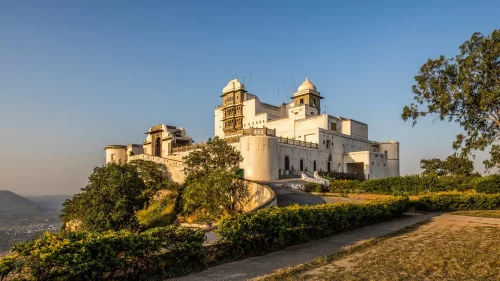
Monsoon Palace

Monsoon Palace, also known as Sajjangarh Palace, is a historic hilltop palace located near Udaipur, Rajasthan, India.
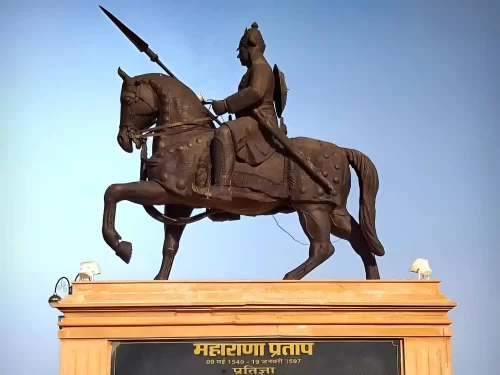
Maharana Pratap Smarak Udaipur Bronze statue on Pearl Hill honoring the legendary Rajput king and his horse Chetak Rajasthan. Mountain

Maharana Pratap Smarak

Maharana Pratap Smarak is a historical memorial and park situated atop Moti Magri hill, dedicated to the 16th-century Rajput ruler Maharana Pratap.
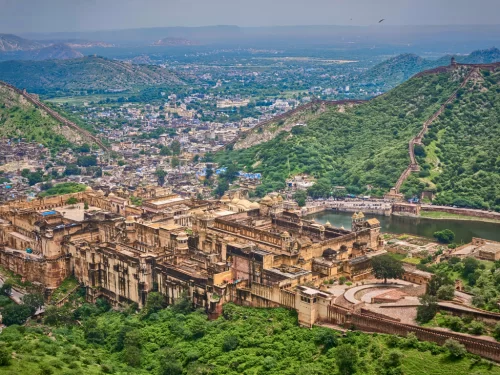
Aerial view of City Palace in Udaipur Rajasthan with lakeside palaces, courtyards, Jag Mandir island and surrounding Aravalli hills under misty sky, perfect Rajasthan tour package. Palace

City Palace

City Palace in Udaipur is a magnificent royal complex showcasing the grandeur of the Mewar dynasty.

Frequently Asked Questions About Shrinathji Temple

Loved this place ? Let’s Plan Your Rajasthan Trip

Get customized Rajasthan tour planning designed around desert climate comfort, long-distance road travel flow, heritage exploration time, and realistic pacing between regions. Whether you are visiting for fort architecture, palace heritage, cultural exper

⚡ Quick Response | 💰 Free consultation | 🕒 24×7 expert support

×

Plan Your Trip
